Lebanese Returnees Find Ruined Villages Despite Ceasefire — SkimNews
Get the Geopolitics newsletter
Daily geopolitics — wars, elections, sanctions, the diplomatic moves that move markets. Free.
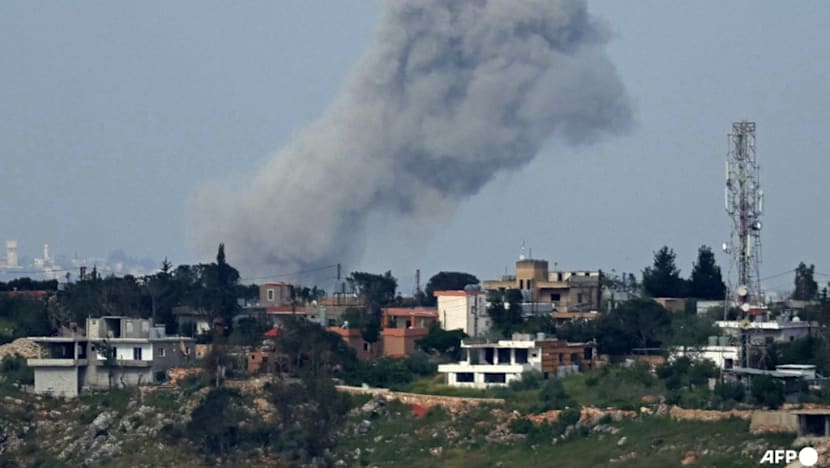
- UNIFIL spokesperson Kandice Ardiel confirmed a marked reduction in hostilities between Hezbollah and the Israeli military following the ceasefire, but said the force continues to record daily violations of Resolution 1701 along the Blue Line.
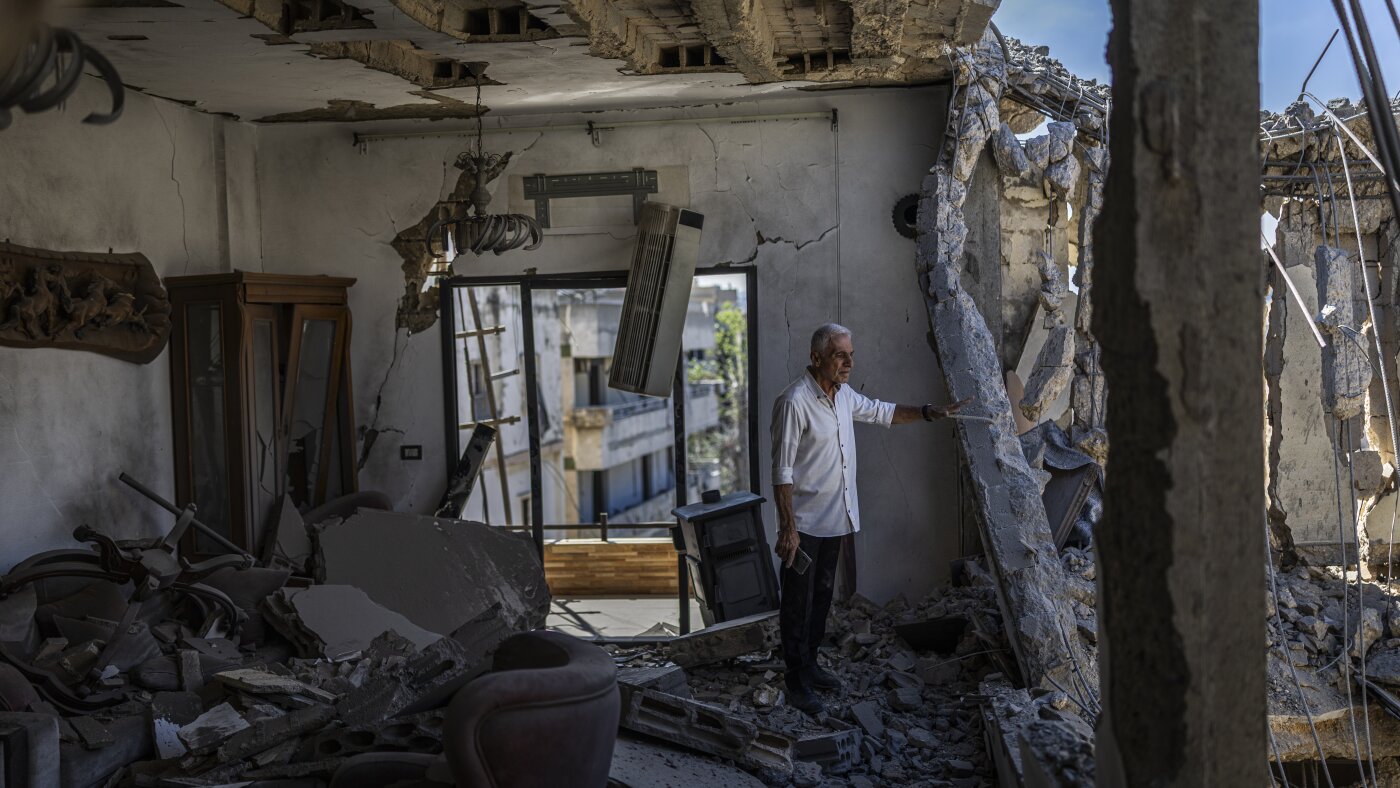
- Displaced Lebanese families are returning to southern villages including Majdal Zoun, Kafra, and Tyre, where heavy shelling has left homes, schools, and a health centre in ruins, following multiple waves of displacement in 2023, 2024, and 2025.
- UNIFIL rejected Israel's self-declared "Yellow Line" buffer zone located 5 to 10 kilometres north of the Blue Line, declaring it unrecognized by the United Nations and calling any Israeli presence north of the Blue Line a violation of Resolution 1701.
- Returning families face damaged infrastructure and limited access to water, electricity, hospitals, and schools, with others still unable to return to villages closer to the Blue Line due to ongoing insecurity.
- UNIFIL peacekeepers report being blocked by Israeli forces at checkpoints and by tanks and military vehicles during patrols, though Ardiel said these restrictions are "usually short-lived" and have not prevented the force from carrying out its mandate.
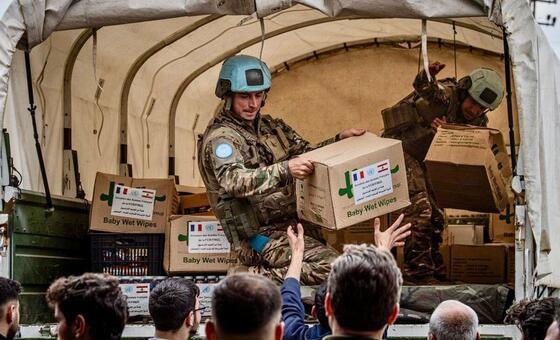
- UNIFIL is supporting affected communities by organizing blood donations for Marjayoun Hospital, donating supplies to the Istanbouli Theatre in Tyre, and clearing roads and unexploded ordnance to enable safe returns.
Why it matters: The ceasefire has lowered the temperature but not delivered recovery: Israel continues to operate north of the Blue Line in areas the UN considers violations, and tens of thousands of Lebanese face the prospect of rebuilding without functioning water, electricity, or hospitals — meaning the humanitarian crisis outlasts the fighting.
Ask SkimNews