Lebanese who fled the Israeli invasion visit to see what's left — SkimNews
Get the Geopolitics newsletter
Daily geopolitics — wars, elections, sanctions, the diplomatic moves that move markets. Free.
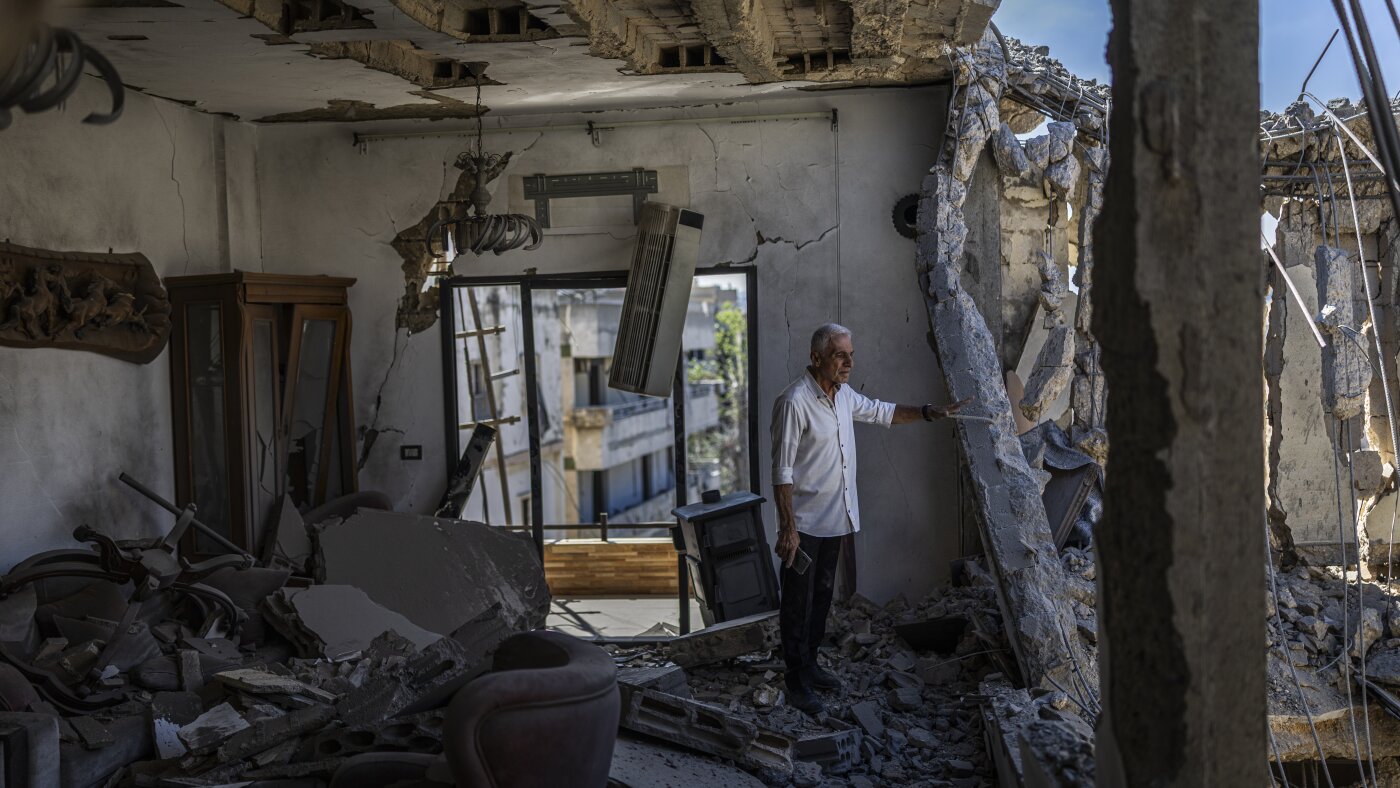
- Nabatiyeh residents returning from Beirut find their city devastated — Najib Ayyad's apartment is damaged by Israeli air strikes and Israeli forces now occupy nearby crusader-era Beaufort Castle (seized in May), with smoke from artillery strikes visible during the June visit.
- Lebanese health officials report at least 4,200 people killed since the war began March 2, with at least 1 in 5 women or children; Israel says 37 soldiers, one military contractor, and two civilians were killed by Hezbollah attacks.
- Israeli Defense Minister Israel Katz said in July that forces further south demolished more than 15,000 homes in border villages to prevent residents from returning, in what Israel calls a "buffer zone" aimed at stopping Hezbollah rocket fire.
- Amnesty International investigated the March 31 airstrike that killed the Basma family (parents and four children ages 7–16), found no apparent military targets nearby, and called it a potential war crime; two children (ages roughly 8 and 11) remain under the rubble two months later.
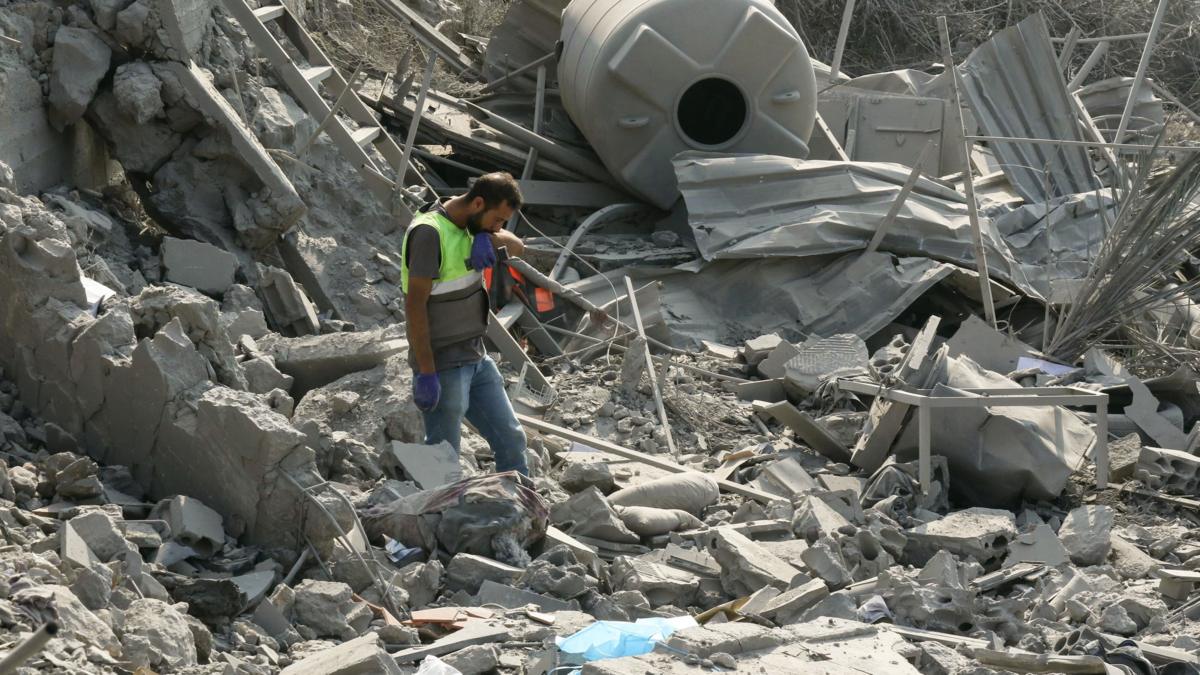
- Israeli air strikes have killed at least 130 Lebanese first responders, including 16-year-old Jude Sleiman — son of Nabatiyeh Emergency Medical Services commander Mohammad Sleiman — killed in his paramedic uniform while delivering food on a motorcycle.
- Mayor Abbas Fakhreddin says he is telling residents not to return due to the security situation and lack of basic necessities, pointing out extensive damage to the historic covered market — once a transit hub between Jerusalem, Damascus, and Mecca — and said the scale of destruction appears intended to halt the city's commercial life.
Why it matters: Israel frames its operations as targeting Hezbollah, but the documented toll — 15,000 border homes demolished, a centuries-old market in ruins, a family with no apparent military ties killed in their home, and 130 first responders dead — extends far beyond a militant-group campaign. Mayor Fakhreddin says the damage appears aimed at halting civilian commercial life, not just degrading fighters, undercutting Israel's stated rationale for a 'buffer zone.'
Ask SkimNews