S&P 500 Drops 7% as Moody's Recession Model Hits 49% — SkimNews

Get the Finance newsletter
Daily finance — markets, central banks, M&A, the prints that move money. Free.
- S&P 500 is down roughly 7% year to date in 2026, with the Dow Jones Industrial Average off about 8% and the tech-heavy Nasdaq Composite down more than 10%.
- Moody's AI-driven recession model places U.S. recession probability at 49% for February, and architect Mark Zandi told Euronews that weak labor market data is the primary driver behind the jump.
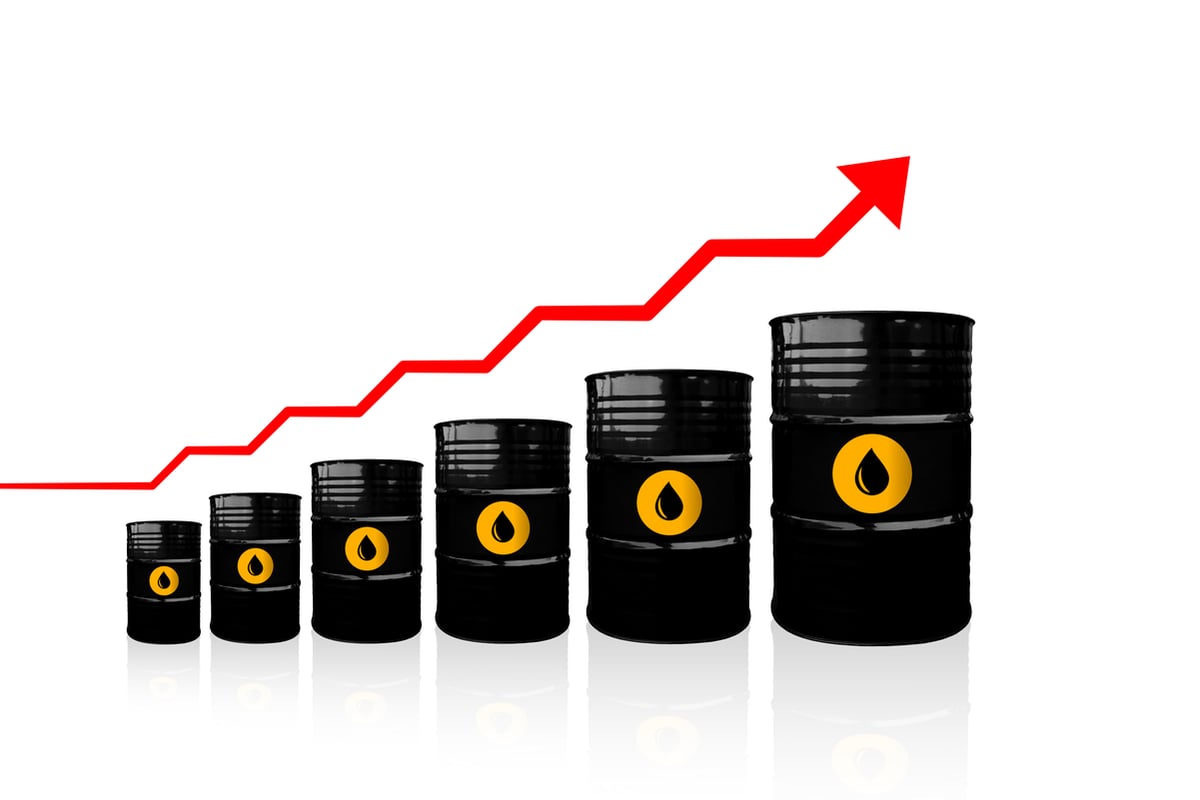
- The 49% reading was captured before the U.S.-Iran War cut off roughly 20% of global crude supply and pushed oil toward $120 a barrel, meaning actual current odds have likely climbed higher.
- Every U.S. recession since World War II except the COVID-19 downturn was preceded by a fuel-price spike, and Moody's backtesting over 80 years shows that crossing the 50% line has been followed by a recession within a year in every case.
- The latest jobs report showed the U.S. lost 92,000 jobs versus expectations of a 59,000 gain, unemployment ticked up to 4.4%, and GDP was revised sharply down from 1.4% to 0.7%.
- Goldman Sachs puts recession odds at just 25% and holds a year-end S&P 500 target of 7,600, while Oxford Economics argues a global recession would require oil above $140 a barrel for two straight months.
- Since 1980, S&P 500 declines during recessions have ranged from roughly 20% to more than 55%, though the index has recovered from all 11 post-1950 recessions.
Why it matters: Investors concentrated in high-valuation growth stocks face the sharpest exposure if Moody's 49% call crosses 50%, since the S&P 500 has historically fallen between 20% and 55% in every recession since 1980. Critically, that 49% was captured before oil surged toward $120 — a fuel-spike level that has preceded every U.S. recession since WWII except COVID — so the gap between Moody's 49% and Goldman Sachs' 25% may already be narrowing.
Ask SkimNews