Moody's: Recession Hard to Avoid if Oil Stays Elevated — SkimNews
Get the Finance newsletter
Daily finance — markets, central banks, M&A, the prints that move money. Free.
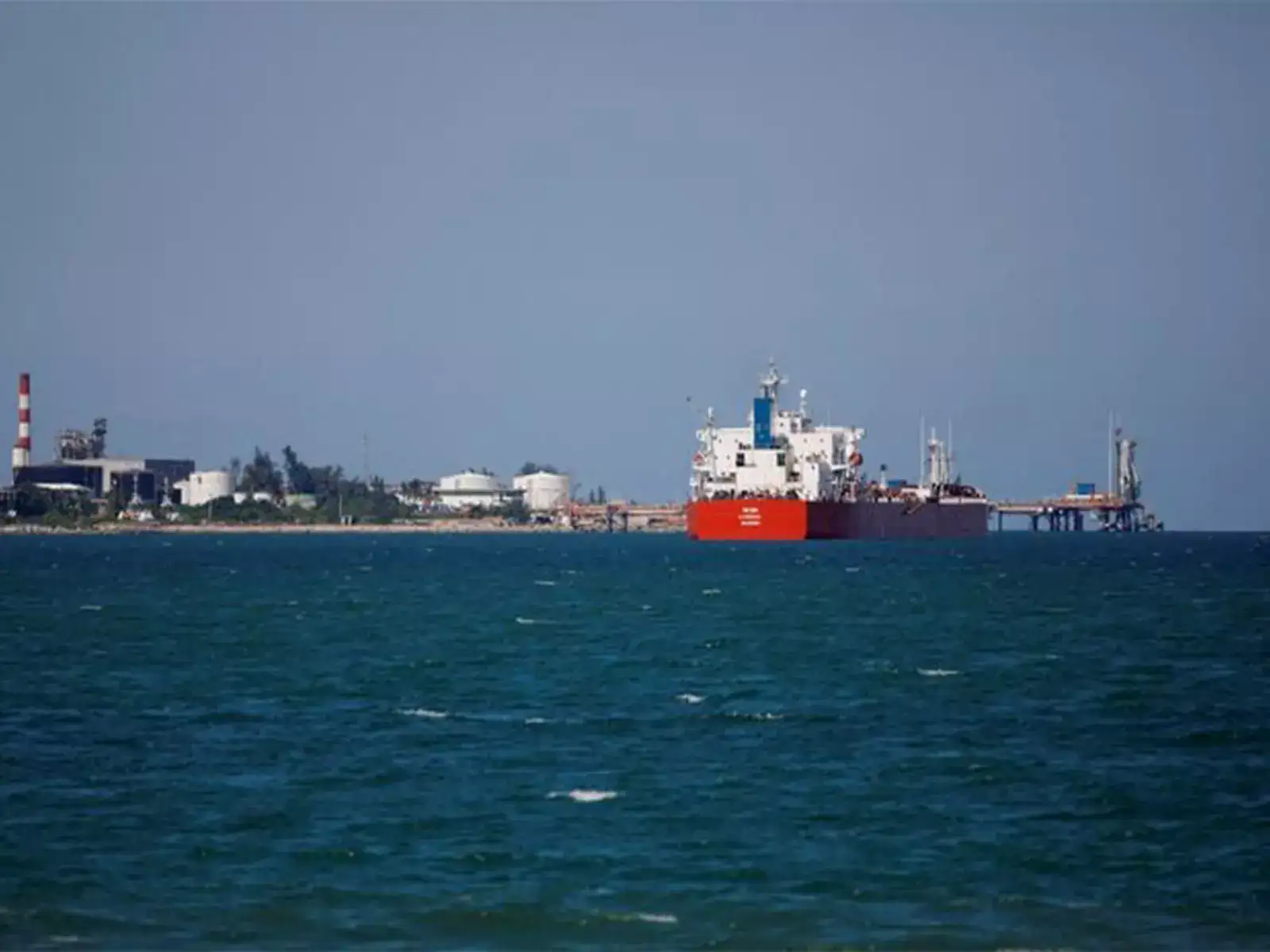
- Mark Zandi, Moody's chief economist, warned that a recession will be difficult to avoid if oil prices remain elevated for "weeks and not months," with the Strait of Hormuz still effectively closed to oil-tanker traffic.
- Moody's machine-learning leading indicators showed a 49% U.S. recession probability even before the Iran conflict, and Zandi said he expects the next reading to hit 50% or higher.
- The Iran war compounded an economy that was already weakening, with fourth-quarter 2025 GDP growth at just 0.7% and weak labor numbers driving most of the deterioration, per Zandi.
- Zandi noted that every U.S. recession since World War II except the brief COVID downturn was preceded by an oil-price jump, but stressed the 2022 Russia-Ukraine spike did not cause a recession because the economy had postpandemic stimulus buffers.
- The U.S. now produces about as much oil and natural gas as it consumes, which Zandi said lessens the global damage, though consumers will still be hit "hard and fast" by any sustained price spike.
- Other forecasters have been more cautious, with investment banks keeping recession probabilities in the 30%–40% range and Yardeni Research raising its 2026 market-meltdown forecast to 35% from 20%.
- The S&P 500 has been trading below its January record high, and most stock-market strategists agree Wall Street is not yet pricing in a recession, even as the index rose 1% on Monday to 6,699.38.
Why it matters: American consumers face a second inflation shock on an economy that was already weakening, with Q4 2025 GDP at just 0.7%. Zandi's "weeks and not months" window means the Strait of Hormuz must reopen or the U.S. crosses a 50% recession probability, even though the S&P 500 trading below its January high shows Wall Street isn't pricing that risk yet.
Ask SkimNews