CATL's Rise Was Built in Ningde, Not Beijing — SkimNews

Get the Energy newsletter
Daily energy & climate — solar, EVs, oil, the policy fights and tech bets shaping the transition. Free.
- Ningde officials spent four years courting hometown entrepreneur Zeng Yuqun with preferential land, tax incentives, and new rail and road links before he committed to a single factory in 2008, after which he founded CATL in 2011.
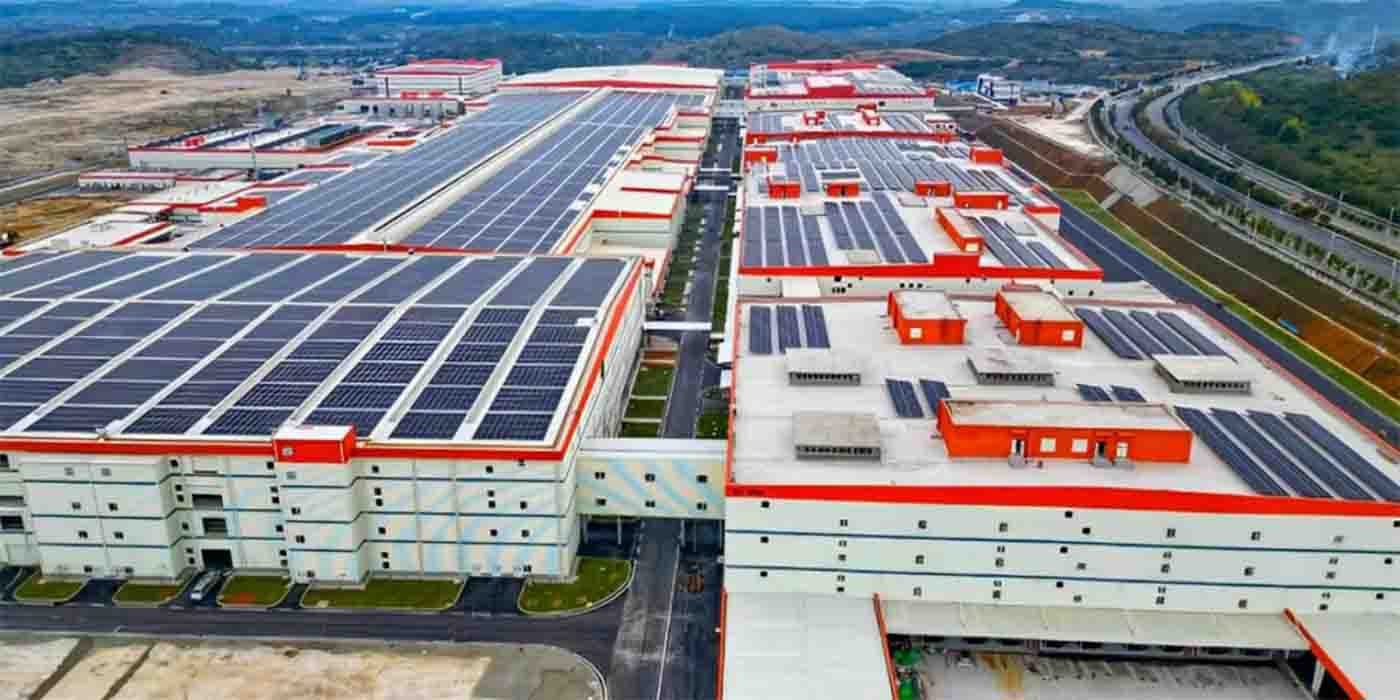
- CATL's Dongqiao-based production bases reached 330 GWh of capacity with another 170 GWh under construction by late 2025, and more than 90 upstream and downstream suppliers had clustered in Ningde, earning the city a national advanced manufacturing cluster designation.
- CATL's R&D spending climbed from 1.91 billion yuan in 2018 to 22.1 billion yuan in 2025, holding steady at 4.6–7.1% of revenue even as revenue grew roughly 14-fold, and the company has signed battery partnerships with BMW, Tesla, Volkswagen, and Mercedes-Benz while building plants in Hungary and Germany.
- Beijing's 2015 battery whitelist shielded domestic producers from foreign competition, but subsidies were fully phased out by 2022; CATL survived by cutting prices and riding an exploding domestic EV market, with revenue jumping from 45.8 billion yuan in 2019 to 328.6 billion yuan in 2022.
- Competitors CALB, EVE Energy, and Gotion operated under nearly identical national policy conditions yet never approached CATL's scale, suggesting that cluster depth and firm-level R&D — not subsidies alone — drove the gap.
- China's economic development zones boost county-level patent activity by 15–25 percent and disproportionately benefit capital-intensive industries like battery manufacturing, providing the agglomeration advantages that Ningde's cluster exploited.
Why it matters: For US and EU policymakers designing responses to Chinese industrial policy, the article argues that subsidies-only frameworks misread the challenge: CATL's lead rests on a layered system where municipal officials recruited firms for years and built supplier clusters around them, so any counter-strategy has to address local institutions and cluster effects, not just national spending.
Ask SkimNews