More teeth linked to longer pancreatic cancer survival — SkimNews
Get the Health newsletter
Daily health & science — research, biotech, public health, the studies worth knowing. Free.
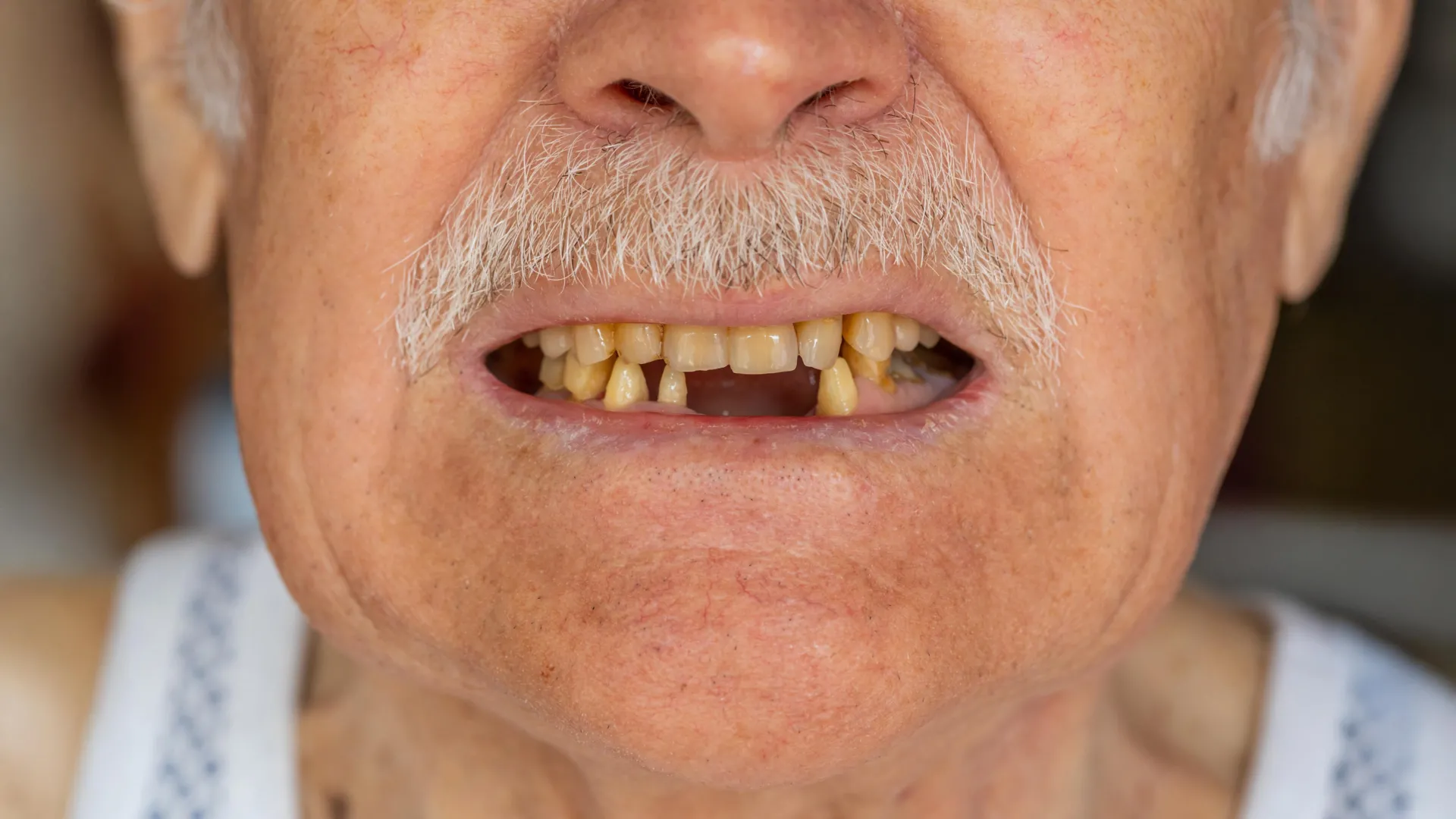
- Hiroshima University researchers found pancreatic cancer patients with 21 or more natural teeth had a median overall survival of 60.7 months after surgery, versus 39.1 months for those with 20 or fewer teeth — a roughly 22-month gap.
- The 339-patient cohort underwent radical pancreatectomy at Hiroshima University Hospital between 2014 and 2022, with each patient receiving a pre-surgery dental exam.
- The survival gap held up after adjusting for tumor stage, lymph node metastasis, surgical margins, chemotherapy, and nutritional status, suggesting tooth count is an independent prognostic factor.
- Chewing function (posterior teeth occlusion) was not independently tied to survival, pointing to tooth loss as a marker of chronic inflammation, frailty, and accumulated systemic vulnerability rather than eating ability alone.
- Uemura's team plans multicenter international validation and closer study of how oral pathogens like Porphyromonas gingivalis may biologically connect to pancreatic tumor progression.
Why it matters: For pancreatic cancer surgeons and oncologists, a simple pre-operative dental count could flag patients who need more aggressive nutritional or prehabilitation support. The study's single-center, Japanese-only design limits immediate clinical adoption, but the 22-month survival delta is large enough to make international replication a clear next priority.
Ask SkimNews