Daraxonrasib Doubles Pancreatic Cancer Survival — SkimNews
SkimNews Take
The pill's success against a previously untreatable mutation highlights how targeted therapies, even for small patient populations, can yield significant and rapid gains in diseases with poor prognoses.
Get the Health newsletter
Daily health & science — research, biotech, public health, the studies worth knowing. Free.
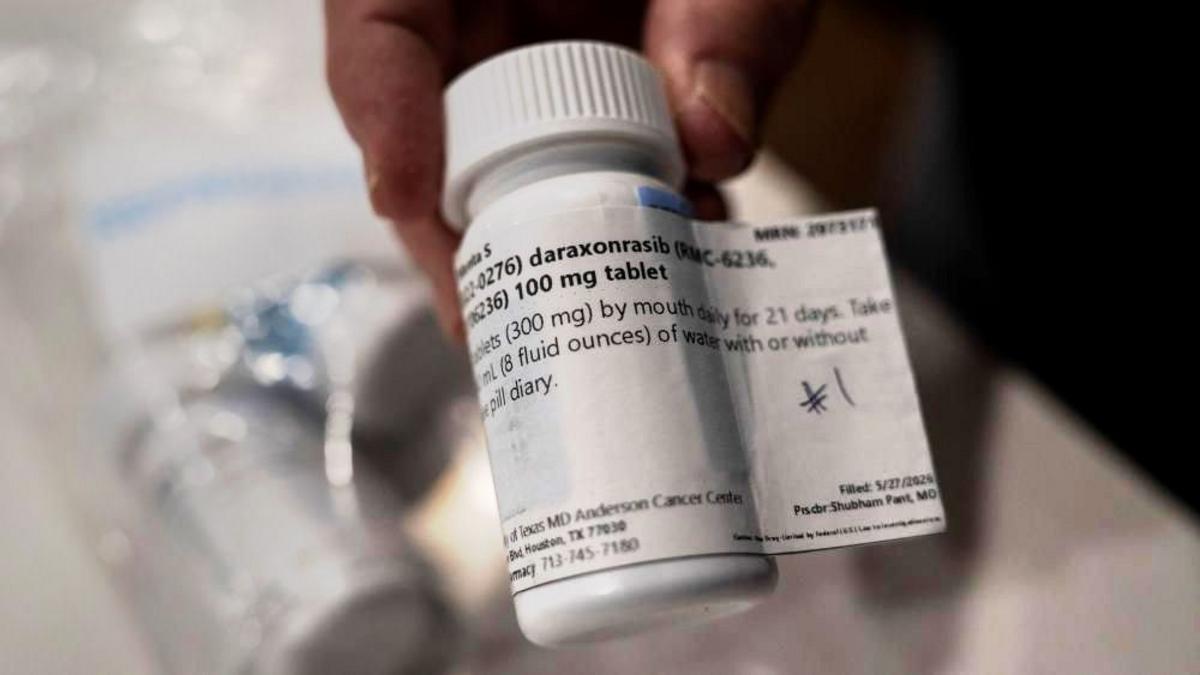
- Daraxonrasib extended median overall survival to 13.2 months in a trial of 500 advanced pancreatic cancer patients, versus 6.6 months for standard chemotherapy.
- Daraxonrasib lowered the incidence of severe treatment‑related side effects to 43.6% of patients, compared with 57.5% on chemotherapy.
- Rachna Shroff, chief of haematology/oncology at the University of Arizona Cancer Centre, called the results “landscape‑changing” for KRAS‑mutated metastatic pancreatic cancer.
- Pancreatic Cancer UK hailed the daily pill as a major advance and urged swift UK availability to give patients more time with loved ones.
- American Society of Clinical Oncology presented the trial data at its annual meeting in Chicago.
Why it matters: Patients with KRAS‑mutated metastatic pancreatic cancer gain an extra 6.6 months of life and see severe side‑effects fall from 57.5% to 43.6%, spurring Pancreatic Cancer UK to push for swift UK availability and giving families more time together.
Ask SkimNews