Qing Dynasty Burial Shows Care for Child with Cleft Lip — SkimNews

Get the Health newsletter
Daily health & science — research, biotech, public health, the studies worth knowing. Free.
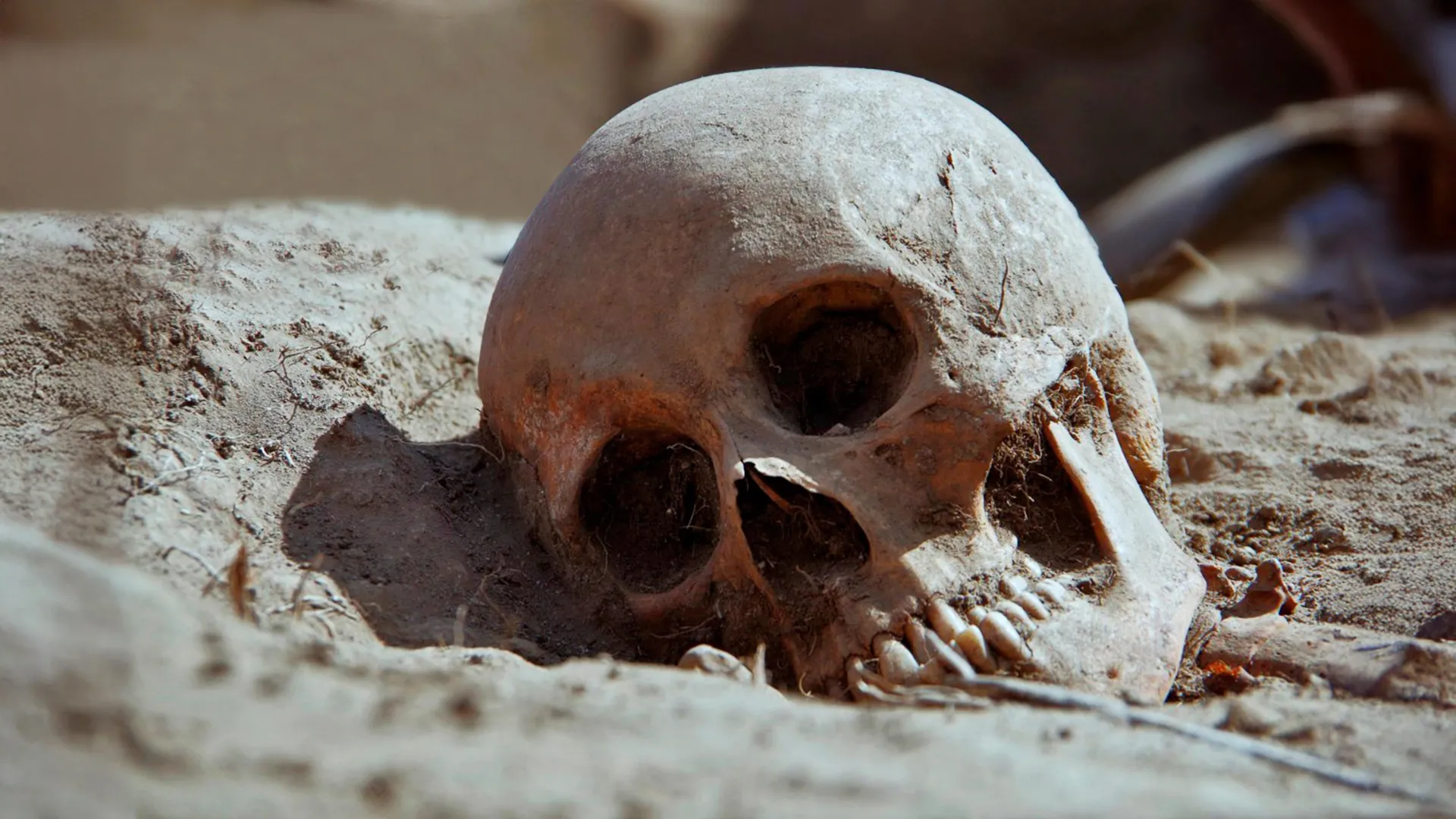
- M234-2 was identified as a male aged 16–18, buried in the Jiaqing era (1796–1820) at Wenchi cemetery in Shanxi Province, northern China.
- Dr. Xiaofan Sun and colleagues used macroscopic and CT analysis to determine that M234-2 was born with an orofacial cleft (cleft lip and palate), a missing upper incisor, and severe nasal septum deviation, ruling out trauma or infection.
- Wenchi cemetery burial included a brick chamber, wooden coffin, and typical grave goods, indicating a commoner or lower-to-middle socioeconomic stratum rather than elite or impoverished status.
- The young man showed no signs of malnutrition or skeletal deficiencies, suggesting he received intensive care from birth throughout his life.
- M234-2 was interred with an adult female, likely his wife, and full grave goods, indicating he was fully accepted and had normative social status within his community.
- The study is the first archaeological identification of a cleft lip case in China, providing insight into historical caregiving and social inclusion of individuals with visible birth defects in late imperial China.
- Chinese historical documents often linked cleft lip to rabbit consumption during pregnancy, but the burial evidence shows that at least in this community, the deformity did not lead to ostracism.
Why it matters: The finding gives historians and medical anthropologists concrete proof that Qing‑era families could sustain intensive care for a child with a cleft lip, overturning the notion that such defects always led to ostracism. It reshapes narratives of disability in ancient China and underscores the long‑standing capacity for inclusive caregiving.
Ask SkimNews