Metformin Cuts Insulin Use 12% in Type 1 Diabetes Trial — SkimNews
Get the Health newsletter
Daily health & science — research, biotech, public health, the studies worth knowing. Free.
- The INTIMET trial randomized 40 adults with long-term Type 1 diabetes to metformin or placebo for six months, using a clamp study technique to map insulin resistance across different parts of the body.
- Researchers found no improvement in insulin resistance and no significant blood sugar changes in the metformin group, contradicting the study's primary hypothesis.
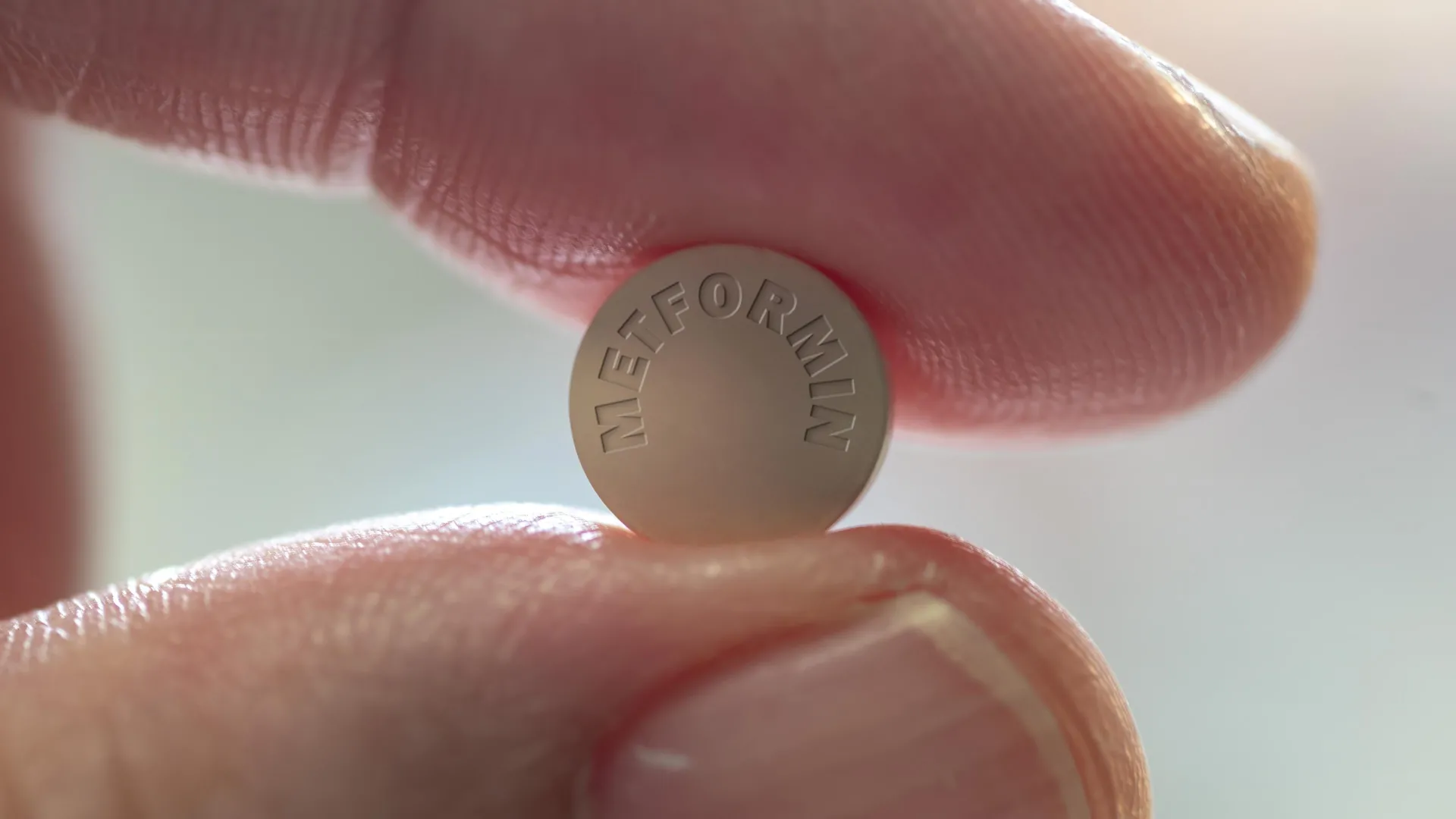
- Metformin users needed about 12% less insulin than placebo patients to maintain stable blood sugar, according to results published in Nature Communications.
- Metformin's mechanism remains unknown after roughly 100 years of clinical use, so researchers are now investigating the gut microbiome as a possible explanation—a pathway never before studied in Type 1 diabetes.
- Up to 13,000 Australians with Type 1 diabetes are already prescribed metformin off-label despite limited prior evidence, per the Garvan team.
- Dr. Jennifer Snaith and Professor Jerry Greenfield co-led the study at St Vincent's Hospital Sydney and the Garvan Institute, funded by Diabetes Australia Research Program, the NHMRC, and others.
Why it matters: For the more than 130,000 Australians with Type 1 diabetes who make roughly 180 daily decisions to manage blood sugar, a cheap, widely available drug cutting insulin use by 12% could meaningfully reduce treatment burden. The real story is the negative primary finding: the drug worked through an unknown mechanism, exposing a 100-year mechanistic blind spot and redirecting research toward the gut microbiome.
Ask SkimNews