Mediterranean Diet Plus Exercise Cuts Diabetes Risk 31% — SkimNews
Get the Health newsletter
Daily health & science — research, biotech, public health, the studies worth knowing. Free.
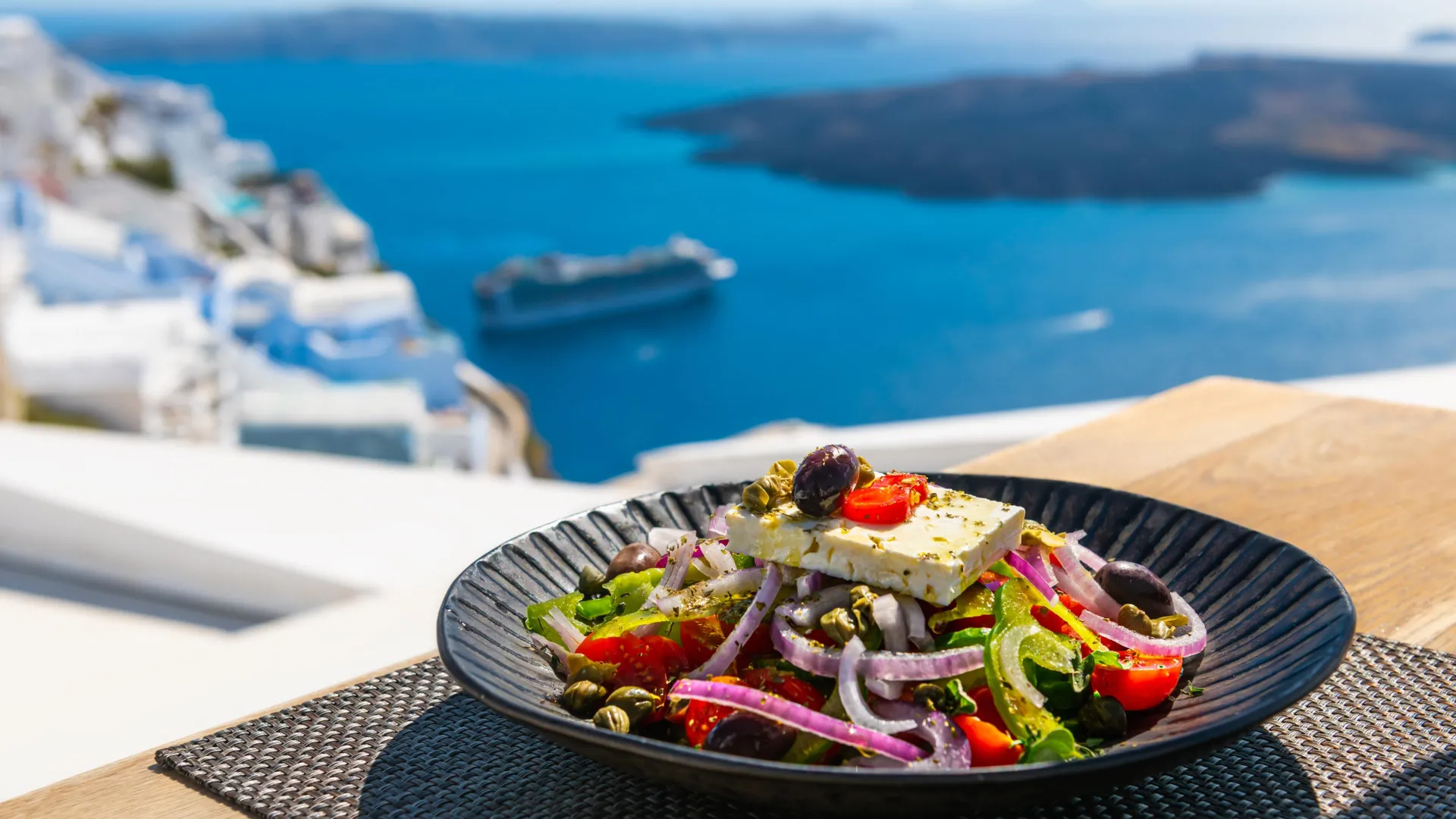
- PREDIMED-Plus researchers found that the intervention group was 31% less likely to develop type 2 diabetes than those following a traditional Mediterranean diet, based on 4,746 adults aged 55-75 tracked for six years.
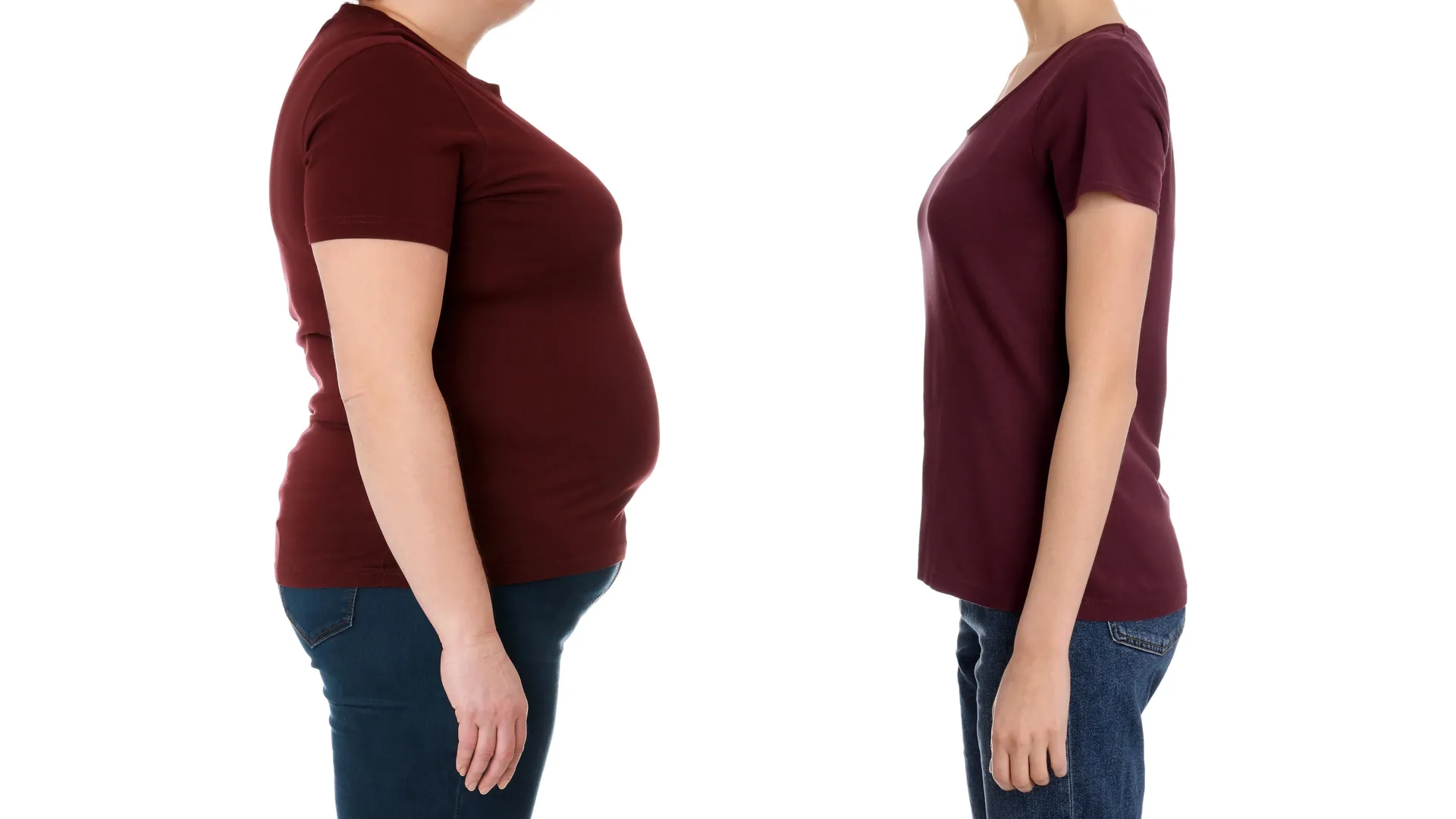
- The intervention group lost an average of 3.3 kg and trimmed waist circumference by 3.6 cm, versus just 0.6 kg and 0.3 cm in the control group, while the program cut roughly 600 kcal per day and added brisk walking, strength, and balance training.
- Researchers estimated the program prevented about three cases of type 2 diabetes for every 100 participants, a figure they argue could translate into thousands of avoided diagnoses if scaled across at-risk populations.
- The trial was conducted at more than 100 Spanish primary care centers, coordinated by the University of Navarra with 22 partner institutions, and received over €15 million in funding, including a €2 million European Research Council Advanced Grant.
- An accompanying editorial by Temple University's Sharon J. Herring and Gina L. Tripicchio warned that replicating the results in non-Mediterranean countries like the U.S. would require public policies addressing food access, walkable environments, and professional support.
- The findings were published in Annals of Internal Medicine and build on the earlier PREDIMED trial (2003-2010), which linked a Mediterranean diet enriched with extra virgin olive oil or nuts to a 30% reduction in cardiovascular disease risk.
Why it matters: With more than 530 million people worldwide living with diabetes and 38.5 million in the U.S. alone, the PREDIMED-Plus results offer primary care providers a low-cost, food-based intervention that outperformed a standard Mediterranean diet. The Temple University editorial makes clear, however, that individual lifestyle changes only scale when public policy addresses food deserts, safe physical-activity spaces, and access to coaching.
Ask SkimNews