Mediterranean Diet Linked to Protective Mitochondrial Proteins — SkimNews
Get the Health newsletter
Daily health & science — research, biotech, public health, the studies worth knowing. Free.
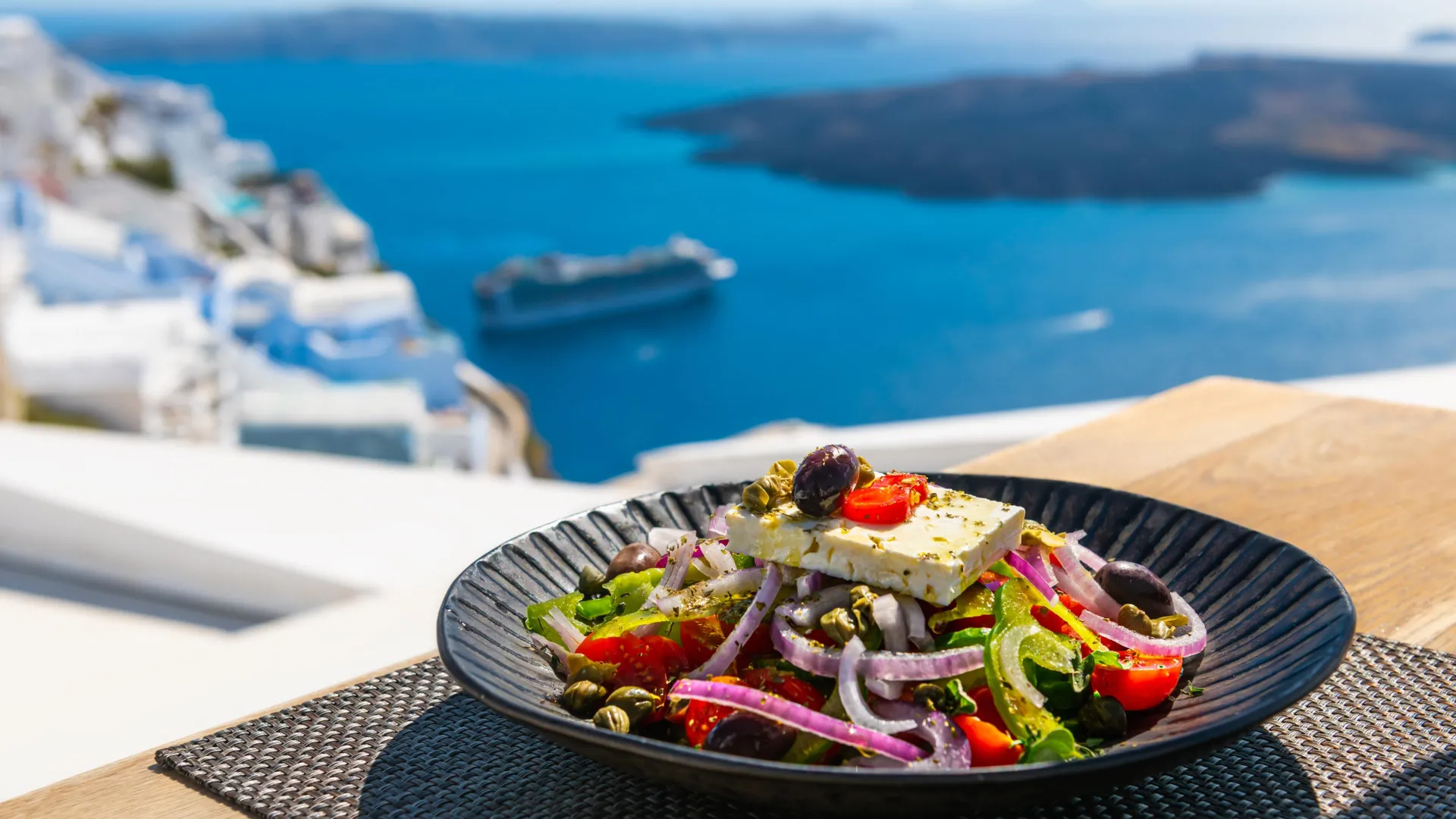
- USC Leonard Davis School researchers found that older adults who most closely followed the Mediterranean diet had significantly higher blood levels of two mitochondrial microproteins called humanin and SHMOOSE, both previously associated with cardiovascular and brain protection.
- Olive oil, fish, and legumes were associated with higher humanin levels, while olive oil combined with lower intake of refined carbohydrates was linked to higher SHMOOSE levels, suggesting individual components of the diet contribute differently to mitochondrial health.
- Higher humanin levels correlated with lower activity of Nox2, an enzyme that produces reactive oxygen species — pointing to a possible new cardioprotective mechanism in which the diet both reduces oxidative stress and boosts protective microproteins.
- Participants with the strongest adherence also showed lower indicators of oxidative stress, the cellular damage caused when unstable molecules overwhelm the body's protective systems.
- Lead researcher Roberto Vicinanza called the microproteins "molecular messengers that translate what we eat into how our cells function and age," while senior author Pinchas Cohen said humanin and SHMOOSE could serve as biomarkers for Mediterranean diet adherence.
- The study, published March 9, 2026 in Frontiers in Nutrition, was relatively small and observational — it identified associations but could not prove that following the diet directly caused the biological changes, with physical activity, genetics, and medications potentially also at play.
- Cohen's lab first identified humanin in 2003 and later discovered SHMOOSE; one genetic variant of SHMOOSE has been tied to a greater risk of Alzheimer's, while the normal form appears to help shield neurons from amyloid-related damage.
Why it matters: If validated in larger trials, humanin and SHMOOSE could become measurable biomarkers that let clinicians gauge whether a patient's diet is actually producing cellular benefits — shifting nutrition advice from population-wide guidelines toward individualized prescriptions based on each person's mitochondrial response.
Ask SkimNews