Vagus nerve carries nutrient memory signals in rats — SkimNews
Get the Health newsletter
Daily health & science — research, biotech, public health, the studies worth knowing. Free.
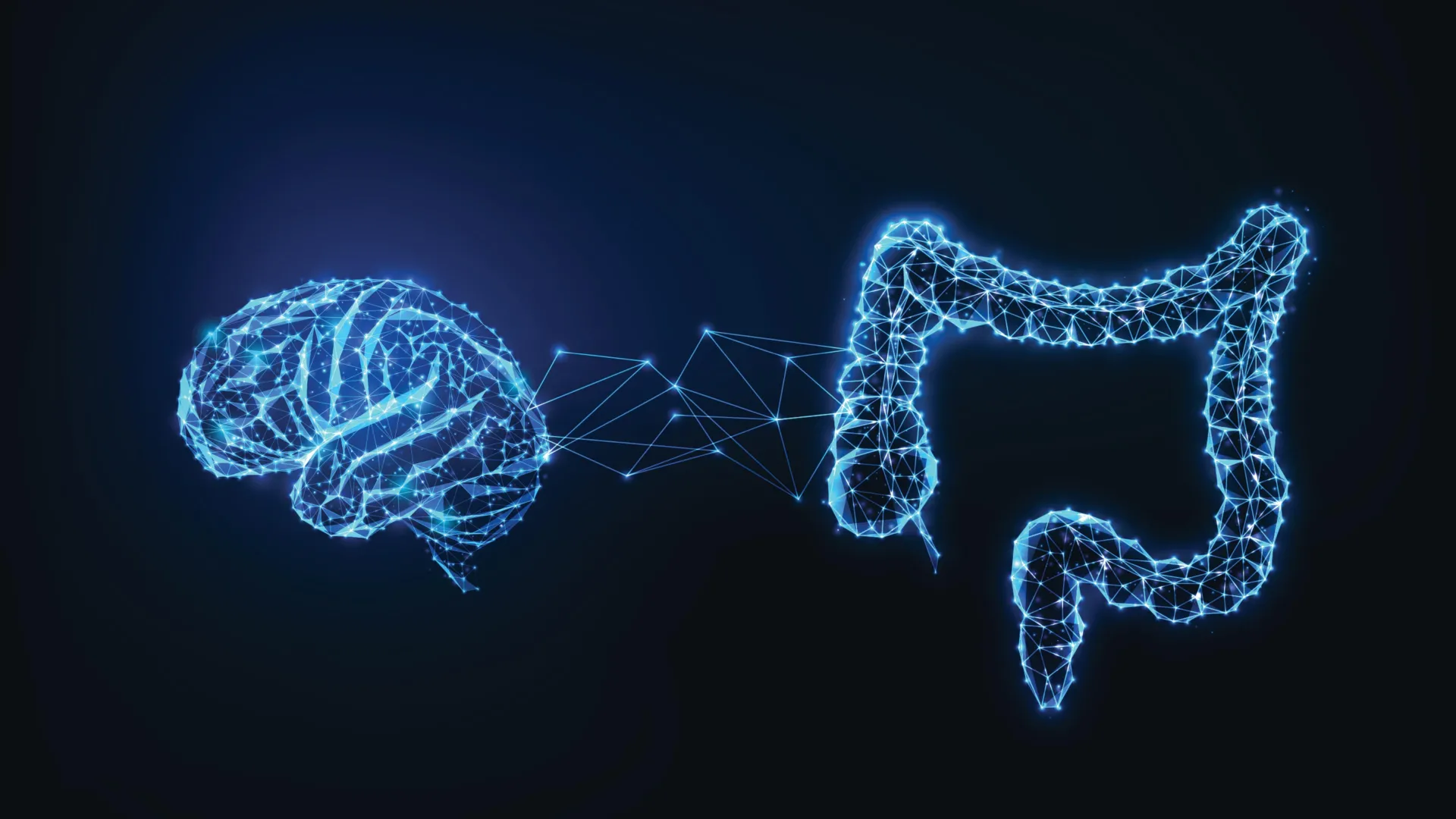
- Scott Kanoski's team at USC Dornsife found that eating nutrient-rich foods triggered acetylcholine release in hippocampal neurons of rats, strengthening memory of where food was located.
- Vagus nerve disruption eliminated the post-meal acetylcholine surge and impaired rats' performance on spatial memory tasks pinpointing where food had been.
- Sweet taste alone was insufficient — rats given noncaloric sweet liquids showed no memory-pathway activation, indicating the brain responds to nutritional content rather than flavor.
- Early-life high-fat, high-sugar diets weakened gut-to-hippocampus signaling in rats, and the deficits persisted even after the animals were switched back to healthier food.
- First author Logan Lauer framed the mechanism as likely evolutionary: gut signals tell the brain 'remember where and how you got this nutrient-rich meal.'
- Kanoski linked the findings to Alzheimer's research, noting that hippocampal acetylcholine disruption is among the earliest neurochemical changes in the disease and that vagus nerve stimulation could become a therapeutic avenue.
- The study, published in Nature Communications, was supported by NIDDK grants (DK104897, DK123423), an NIA F31 fellowship, and an Alzheimer's Association Research Fellowship to Promote Diversity.
Why it matters: If the gut-to-vagus-to-hippocampus pathway operates in humans as it does in rats, chronic exposure to high-fat, high-sugar diets could biologically erode the same memory system those foods initially excite — a mechanism that aligns with known links between obesity, diabetes, and cognitive decline, and that points to vagus nerve stimulation as a candidate target for early Alzheimer's intervention.
Ask SkimNews