Paterna Claims Lab-Grown Sperm Works; No Evidence Yet — SkimNews

Get the Health newsletter
Daily health & science — research, biotech, public health, the studies worth knowing. Free.
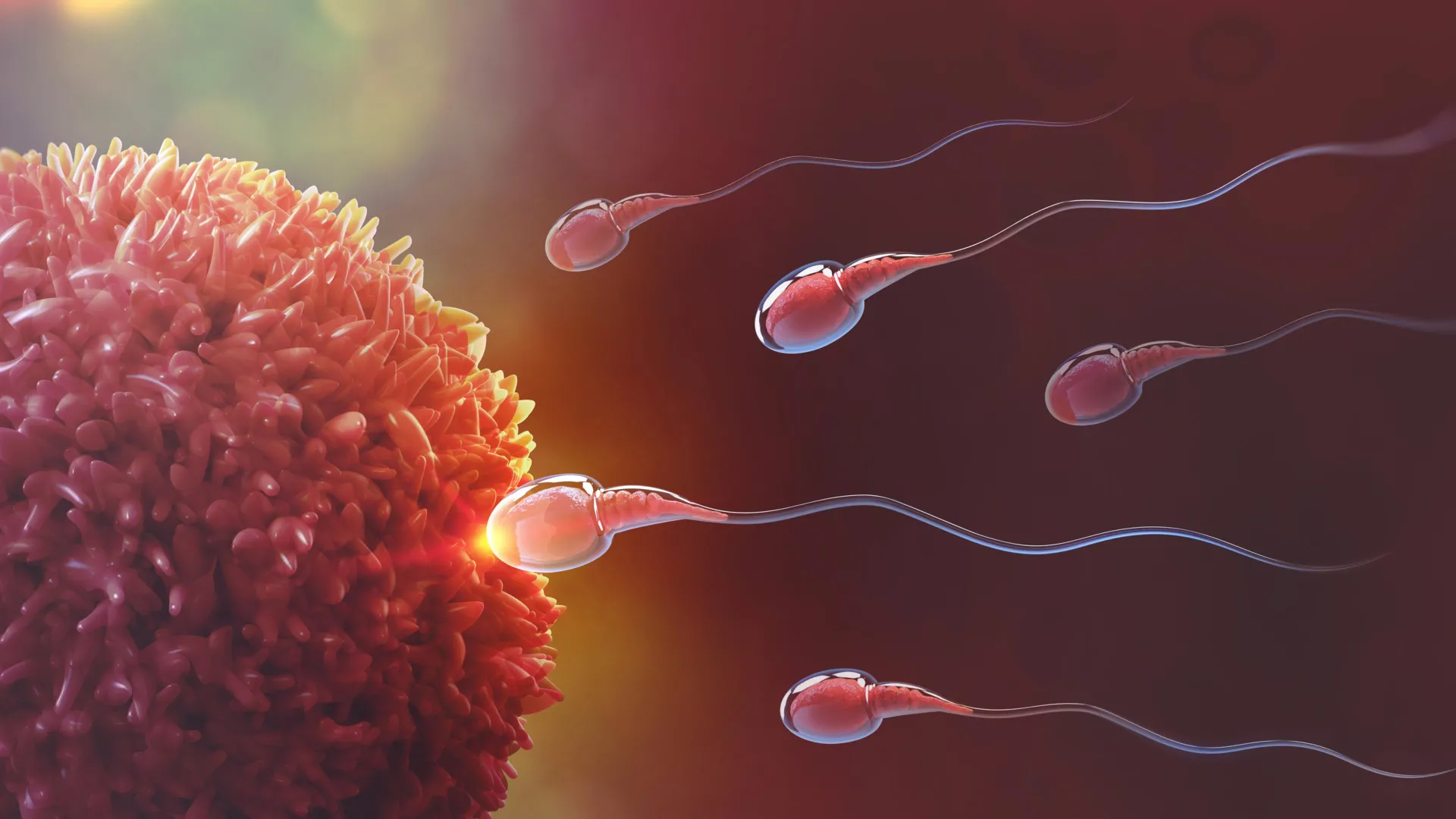
- Paterna Biosciences (co-founder Alex Pastuszak) claims it can derive sperm from testicular stem cells in about a month, producing "high-single-digit to tens of thousands of sperm" per tissue piece, and says those sperm fertilized human eggs into early embryos — but has published nothing, citing intellectual property protection.
- A cautionary precedent sits in the same article: French biotech Kallistem made a similar claim in 2015, published a paper in 2016, failed to convince other researchers, and produced no further results.
- Independent experts Geert Hamer (Amsterdam Reproduction & Development) and Miles Wilkinson (UC San Diego) say the technique, if verified, would most clearly serve two narrow groups — men made infertile by childhood cancer treatment who have frozen testicular samples, and men with minimal sperm formation who could avoid the highly invasive microdissection TESE surgery that involves slicing a testis in half.
- Pastuszak goes further, claiming the lab can derive sperm even from men who produce none in their testes — blaming defective signaling from support cells rather than the germ cells themselves — but no evidence backs this, and experts warn male children would likely inherit the same infertility-causing condition.
- For men whose infertility stems from identifiable genetic mutations, the article argues CRISPR editing of the sperm stem cells would be the only route to functional sperm — effectively producing gene-edited children — an application Paterna says it is "not taking off the table."
- Paterna plans to begin implanting embryos fertilized with lab-grown sperm into women as early as next year, with its first significant trial "probably outside of the US" — though it remains unclear what evidence regulators will demand before approving lab-grown sperm for IVF.
- Safety concerns flagged by experts include potential meiosis errors — Wilkinson calls DNA misrejoining during chromosome swapping "a very dangerous situation" if lab conditions aren't perfect — plus imprinting errors, though Hamer notes the latter risk is likely lower because Paterna uses existing testicular stem cells rather than reprogrammed cells.
Why it matters: For the roughly 1 in 100 men who produce no sperm — and where current treatments like ICSI fail most of them — a verified lab-grown sperm technique would help only a narrow subset, chiefly childhood cancer survivors with frozen samples. The bigger payoff, and the bigger ethical landmine, is combining it with CRISPR editing of the sperm stem cells to fix inherited infertility mutations — deliberately creating gene-edited children, a line most regulators and scientists have refused to cross.
Ask SkimNews