Magnetic sperm form healthy embryos in lab tests — SkimNews

Get the Health newsletter
Daily health & science — research, biotech, public health, the studies worth knowing. Free.
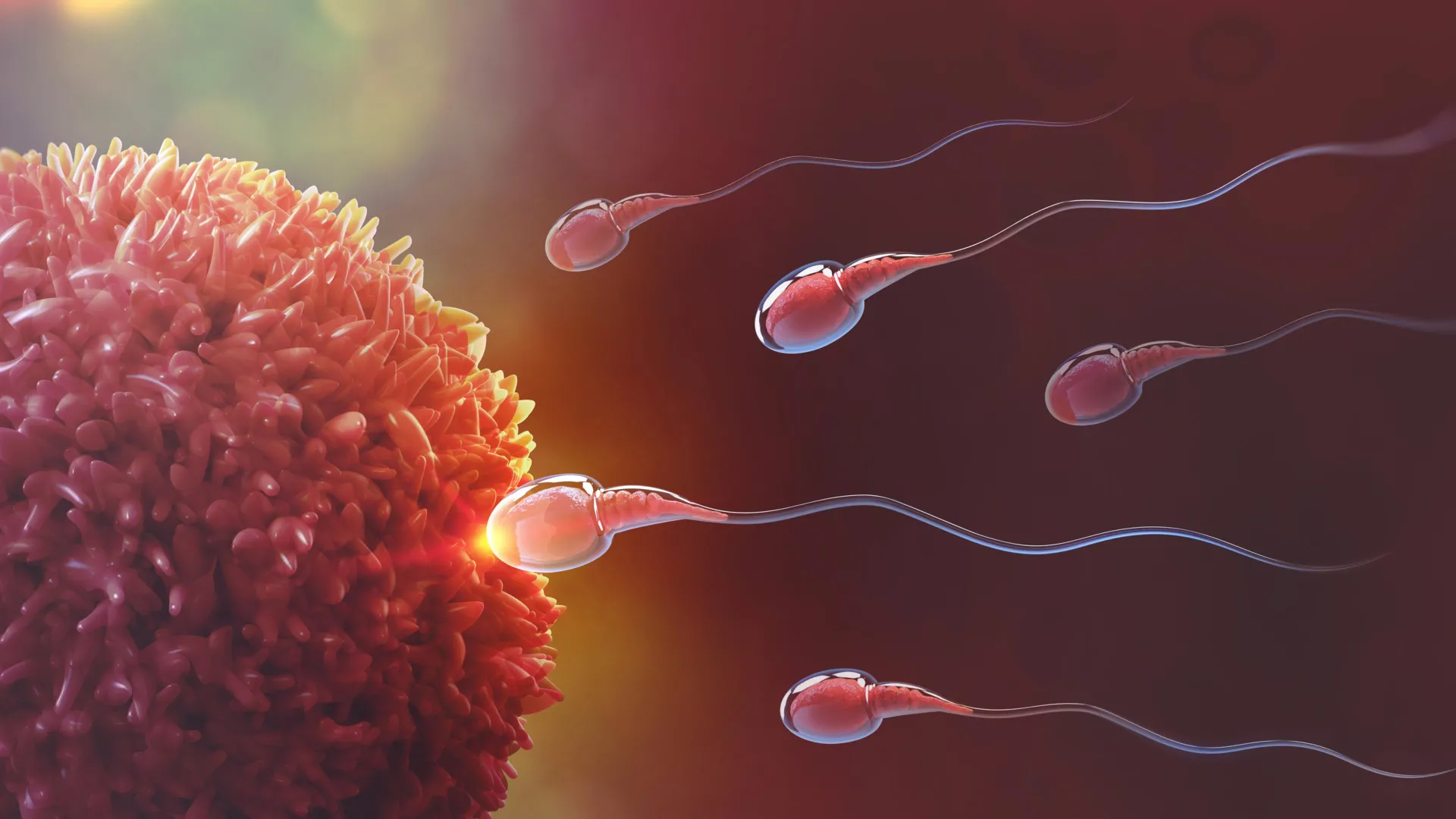
- Mariana Medina-Sánchez and her team at nanoscience institute CIC nanoGUNE in Spain incubated cattle sperm with iron oxide and polystyrene beads, with about 30 beads sticking to each sperm head while leaving tails free to move
- Tests showed the magnetic beads did not impair sperm swimming speed or health, and the magnetic sperm formed healthy embryos in a dish at the same rate as non-magnetic sperm
- The beads fall off the sperm as they penetrate the egg, and the team showed external magnetic fields could steer the magnetic sperm in different directions toward an egg
- The ultimate goal is in-vivo IVF — using the body as a natural incubator to avoid hormone injections, egg retrievals, and embryo transfers that make conventional IVF invasive
- Kylie Dunning at Adelaide University called the work 'a really exciting advance and a great proof of concept' but flagged remaining hurdles: directing sperm into the fallopian tubes, achieving fertilization outside a dish, and producing live healthy offspring
- The beads show up on ultrasound, and unpublished work by the team has already guided embryos in magnetic structures into the fallopian tubes of mice using external magnets
- The study has been posted on bioRxiv (DOI: 10.64898/2026.04.23.720095) and has not yet been peer-reviewed
Why it matters: Roughly one in six people experience infertility, and many IVF cycles fail because the artificial lab environment and multiple manipulation steps can compromise embryo viability. If validated in mammals and then humans, magnetic guidance could let fertilization happen inside the fallopian tube using the body as an incubator, potentially sparing patients from hormone injections, egg retrievals, and embryo transfers — though every successful step to date has been in cattle sperm in a dish, with only unpublished mouse work on actual in-body guidance.
Ask SkimNews