US solar can now power 50M homes – and red states led the boom — SkimNews
Get the Energy newsletter
Daily energy & climate — solar, EVs, oil, the policy fights and tech bets shaping the transition. Free.
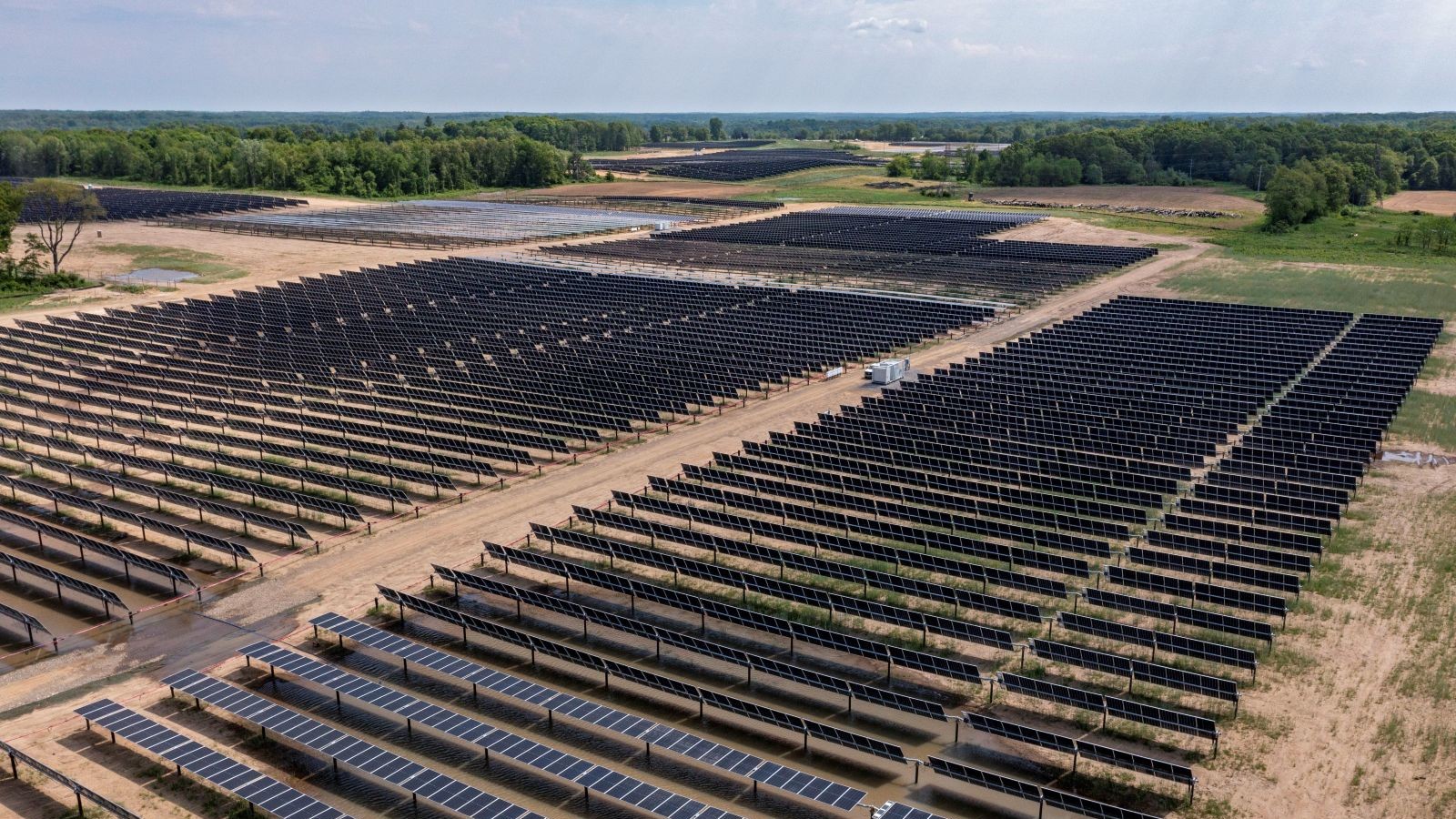
- US solar capacity reached enough installed output in Q2 2026 to match the electricity used by more than 50 million homes, equivalent to over one-third of all US households, per the SEIA/Wood Mackenzie Solar Market Insight report.
- The solar industry installed 11.4 GWdc of new capacity in Q2 2026 — a 45% jump year-over-year and 43% above Q1 — with utility-scale projects making up 9.6 GWdc (up 61% YoY) as developers rushed to beat a July 2026 federal tax credit safe harbor deadline.
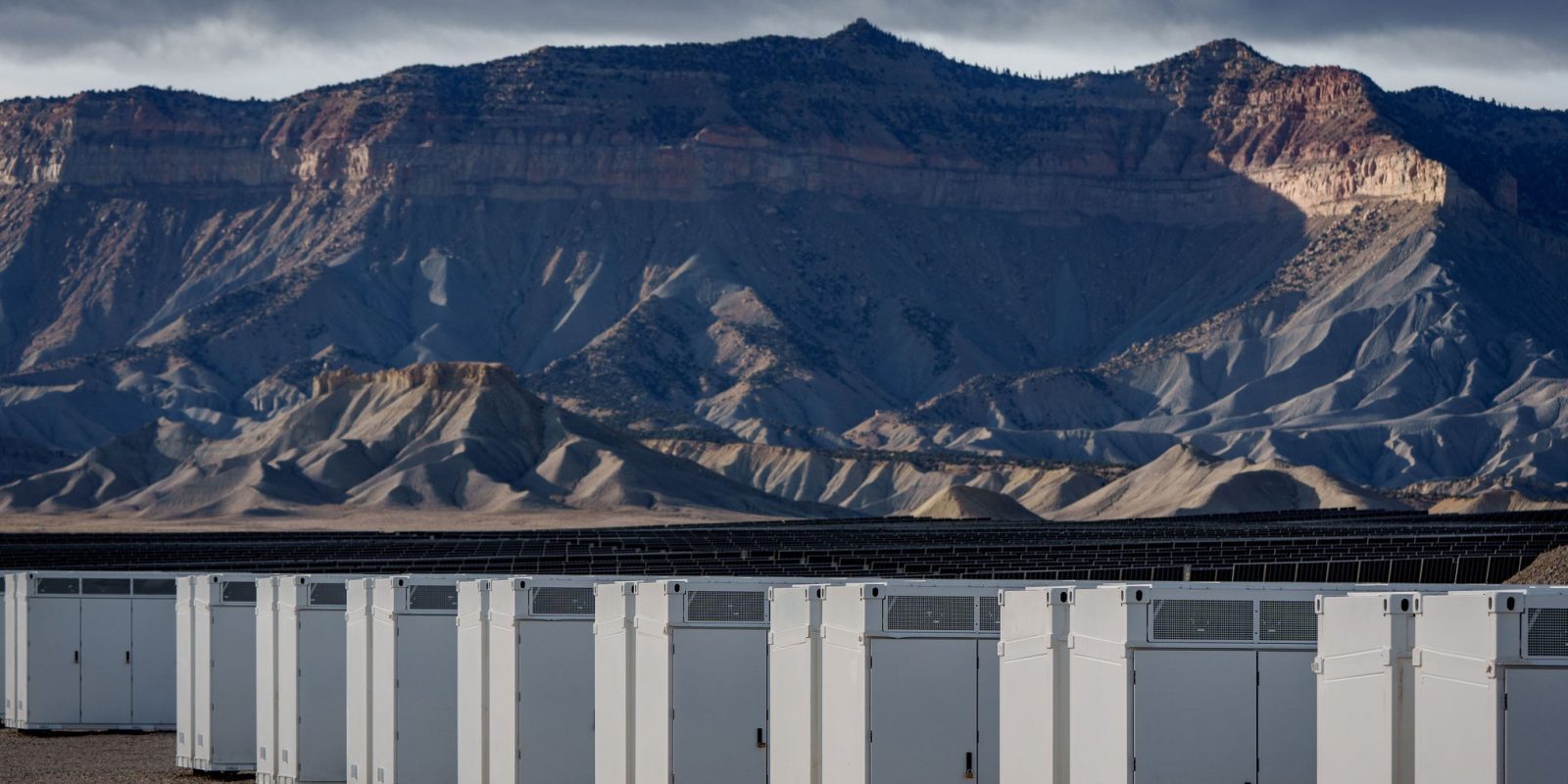
- Solar and battery storage combined accounted for 70% of all new US power capacity added in the first half of 2026, per SEIA.
- Trump-voting states accounted for 71% of all solar capacity installed in H1 2026, with eight of the ten leading states for new solar being red states — despite the Trump administration and congressional Republicans eliminating solar incentives.
- Wood Mackenzie projects the US will add roughly 44 GWdc of solar annually through 2031, nearly doubling total solar capacity in five years, though the firm flagged permitting and the post-ITC transition as significant headwinds.
- Rooftop residential solar faces a tougher path after the federal Residential Clean Energy Credit (30% of qualifying costs) expired for systems placed in service after December 31, 2025; Wood Mackenzie expects residential solar and storage to resume growth in 2027.
Why it matters: The Q2 surge reflects a last-minute rush to lock in federal tax credits before the July 2026 safe harbor deadline, meaning the 61% YoY utility-scale jump likely front-loads demand rather than signaling steady-state growth. Residential customers lost a 30% credit at the end of 2025, shifting the industry's economics toward utility-scale developers in red states that voted for the very politicians cutting those incentives.
Ask SkimNews