Solar tops coal in US power mix; IATA admits 2050 net zero is dead — SkimNews

Get the Energy newsletter
Daily energy & climate — solar, EVs, oil, the policy fights and tech bets shaping the transition. Free.
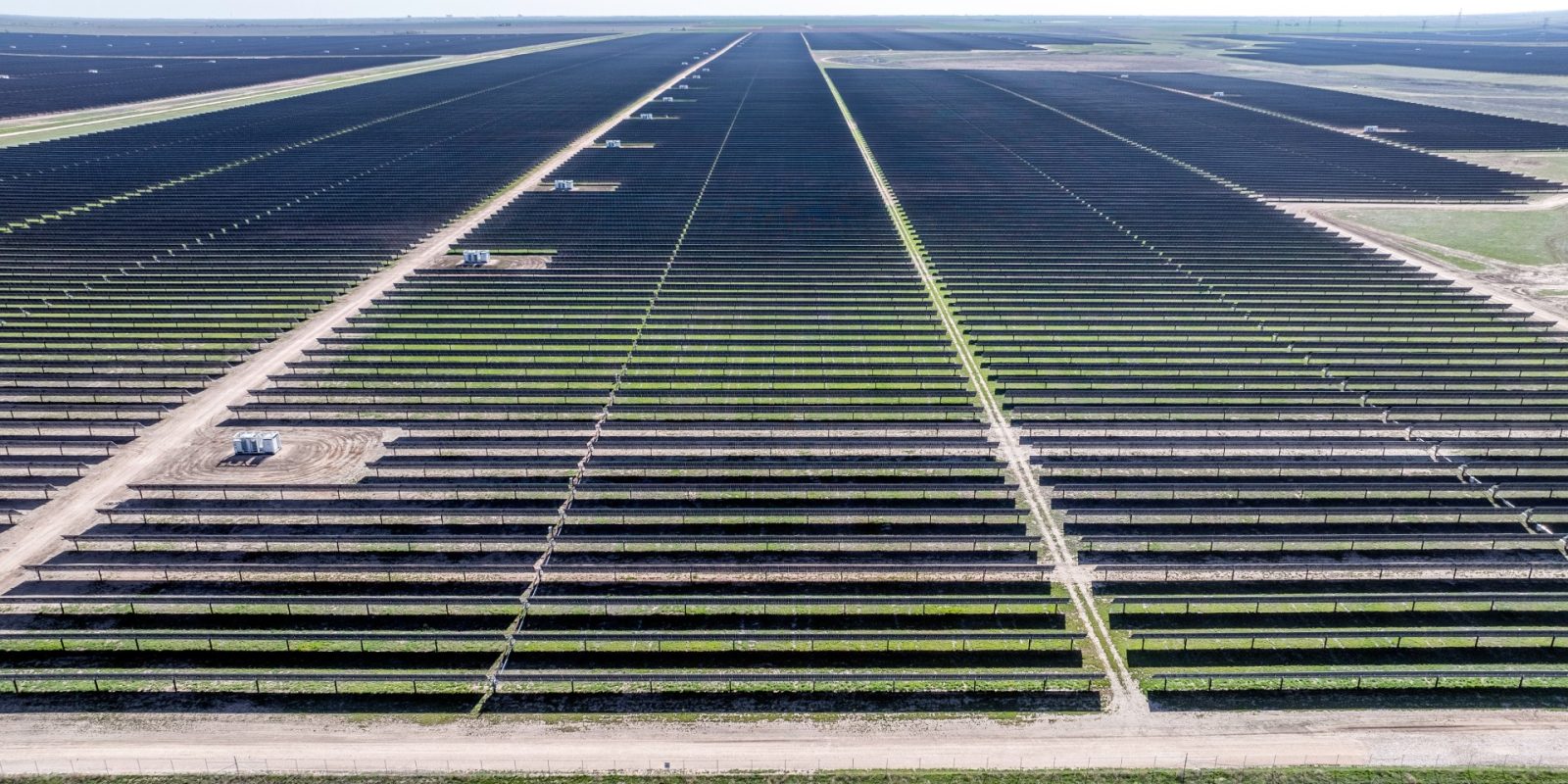
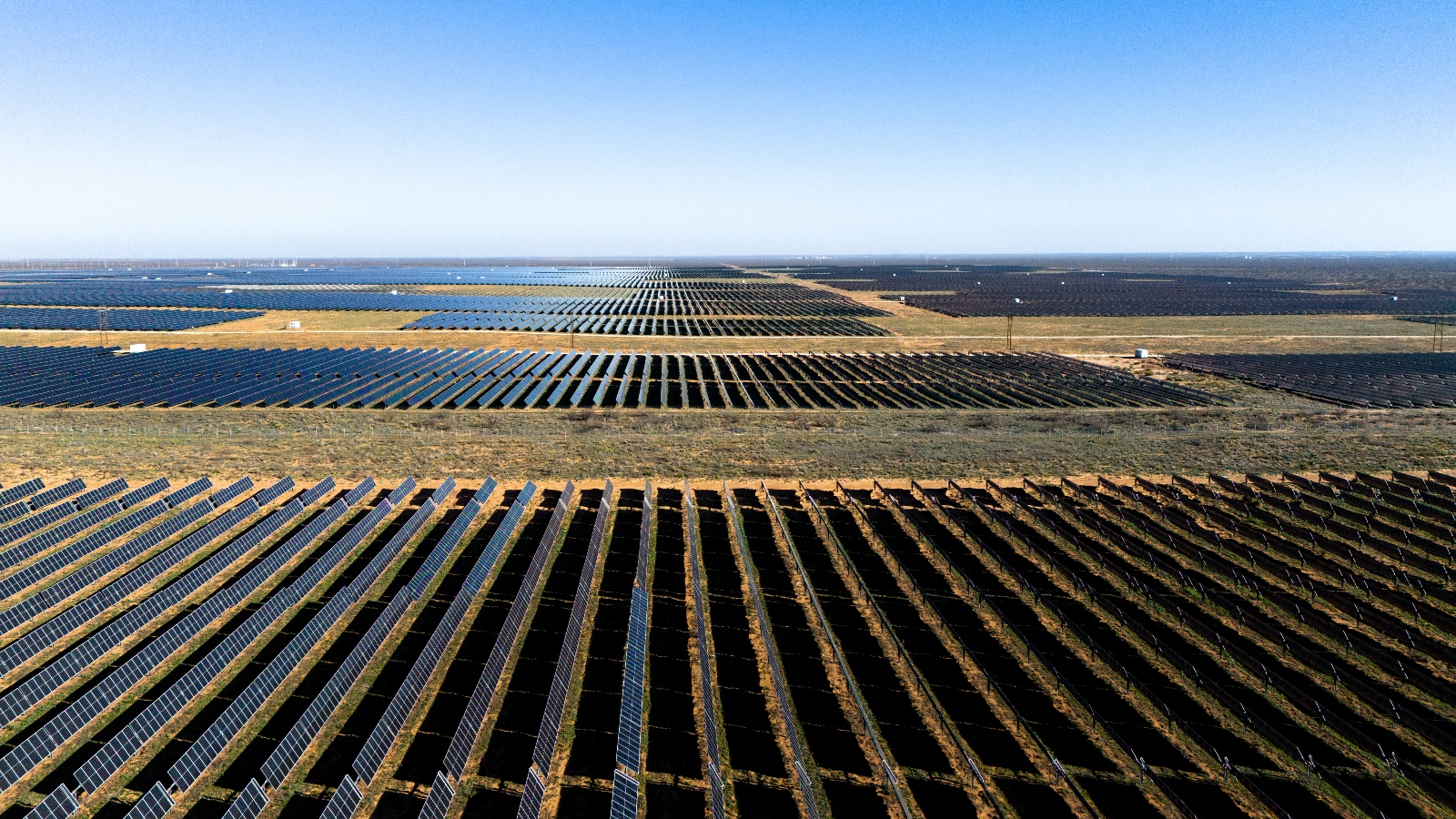
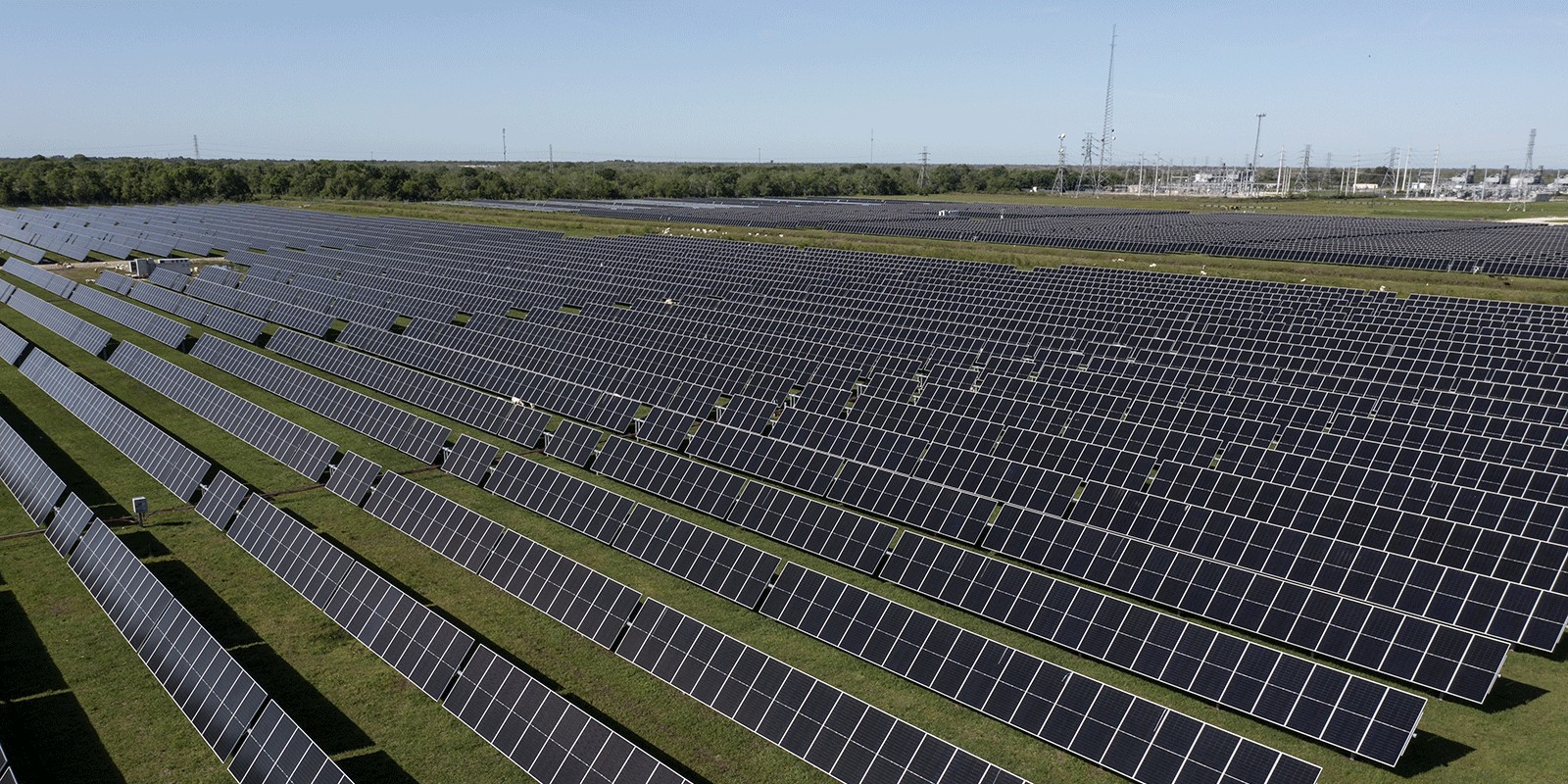
- Solar generated 12.8% of US electricity in May versus coal's 12.2% — the first time solar has outproduced coal on record, per Ember.link ›
- Trump announced $700 million for coal, including the first new coal plants in 13 years, using funds previously earmarked for fossil‑fuel reduction.link ›
- IATA's Willie Walsh admitted aviation's 2050 net‑zero target is no longer achievable, citing $100 billion in extra fuel costs and finger‑pointing at fuel suppliers, governments, and plane makers.link ›
- Cyclone Senyar killed an estimated 58 Tapanuli orangutans — roughly 7% of the less‑than‑800 remaining — according to a new study raising Professor Erik Meijaard's earlier 35‑death estimate.link ›
- Senator Sheldon Whitehouse has delivered his 'Time to Wake Up' climate speech more than 300 times, even as a Searchlight Institute memo told Democrats 'Don't say climate change.'link ›
- USGBC certified 31 stadiums with LEED status, ranging from 9,500‑seat Southwest University Park in El Paso to 88,000‑seat Estadio Banorte in Mexico City.link ›
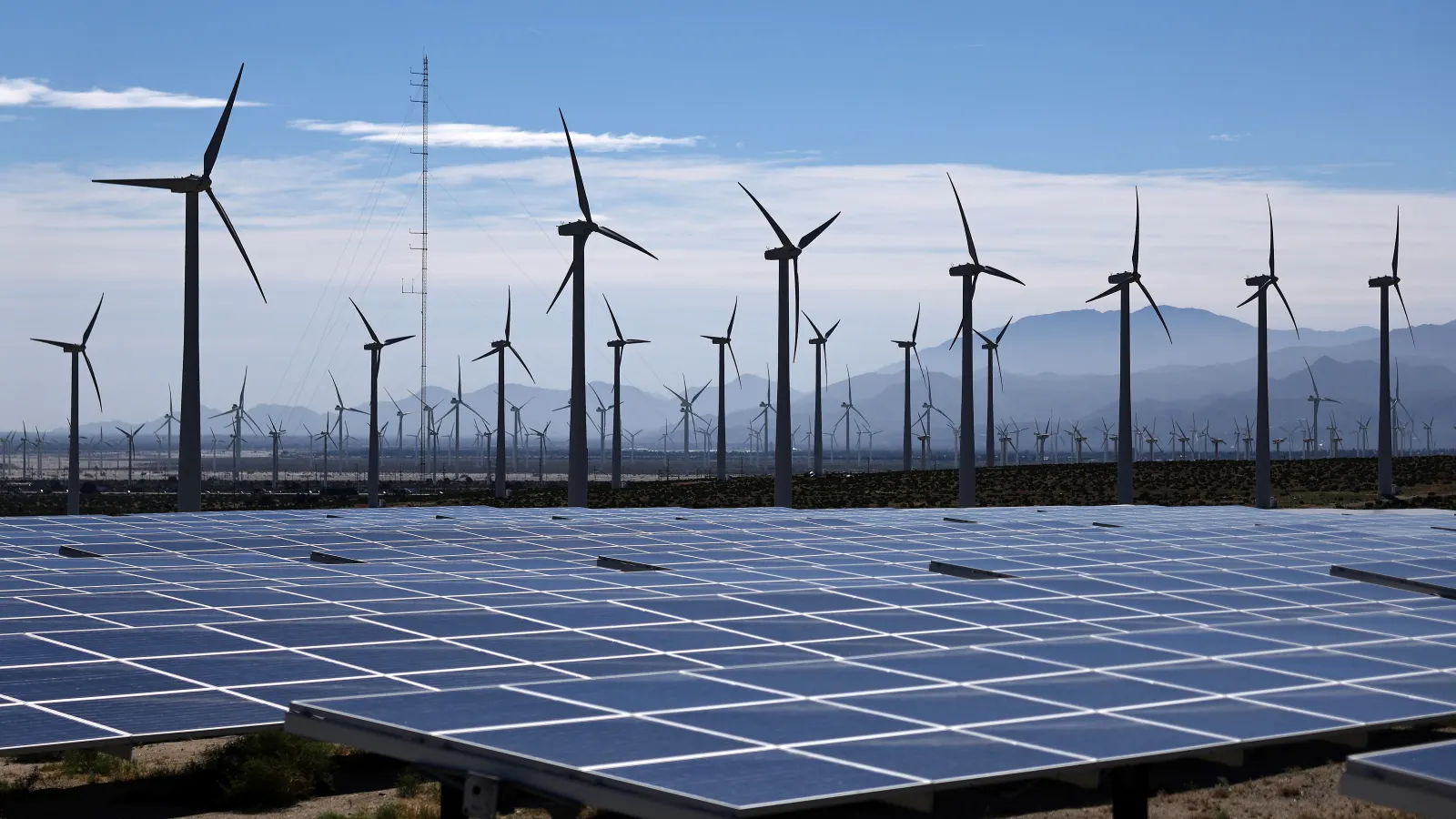
Solar did something it has never done in the US: in May it generated more electricity than coal — 12.8% versus 12.2% — capping a five‑year run in which coal's share collapsed from 20% while solar more than doubled. The milestone lands the same week Trump announced $700 million to build the first new coal plants in 13 years, prompting Evergreen Action's Lena Moffitt to call it 'throwing a lifeline to a ship that has already sunk.' IATA boss Willie Walsh also conceded aviation's 2050 net‑zero target is dead, blaming fuel suppliers and governments and warning of $100 billion in extra jet‑fuel costs. The energy transition didn't pause — it just stopped pretending the laggards are catching up.
The stories behind this week
Cyclone Senyar kills 58 Tapanuli orangutans, study saysThe loss of 58 Tapanuli orangutans shrinks an already tiny population by 7%, accelerating its path toward extinction and underscoring the urgent need for climate‑responsive conservation; the Indonesian pause on development offers a rare chance for protection but also stalls economic projects.
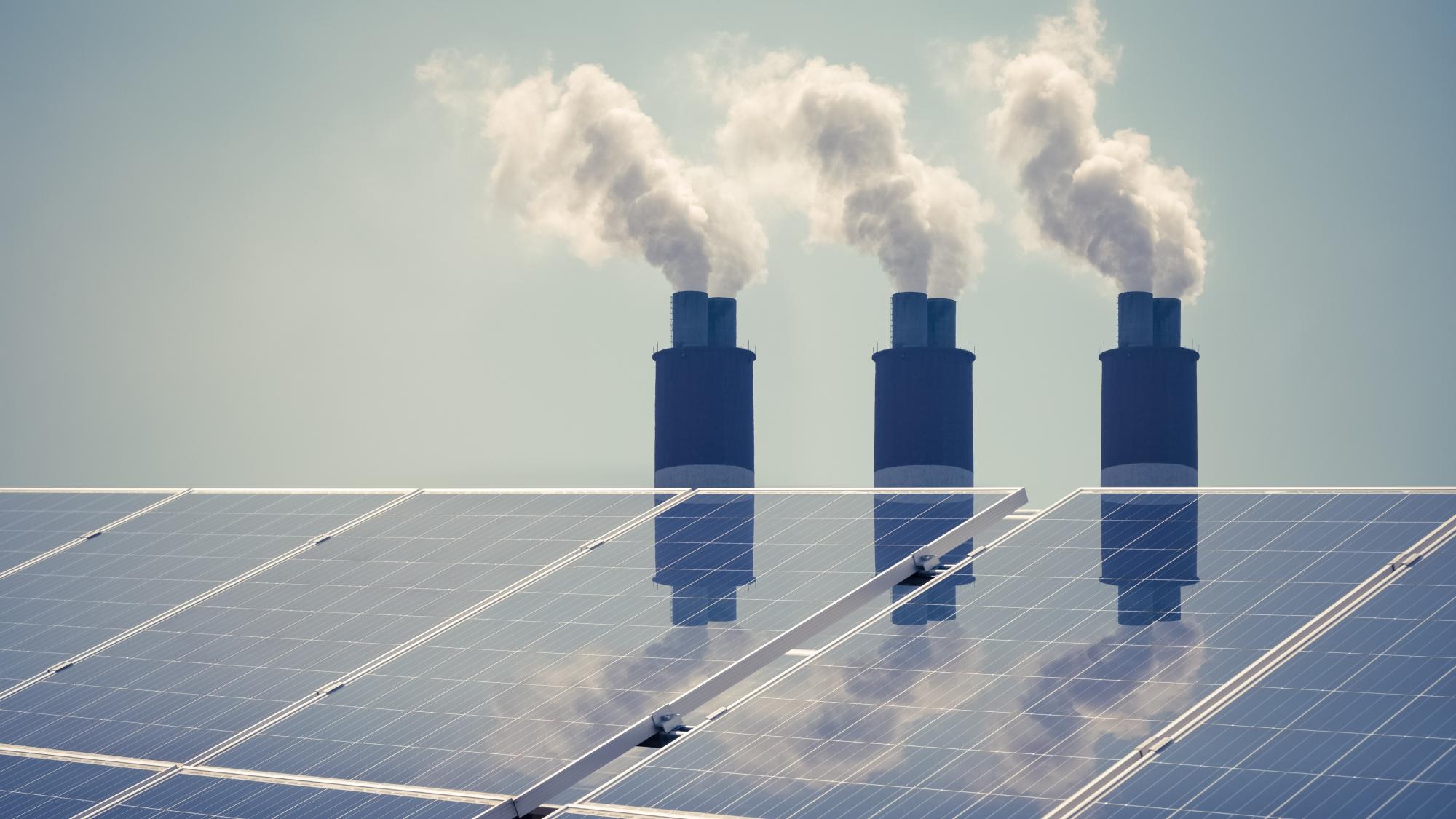
For first time, Americans are getting more of their electricity from solar than coalSolar’s surge cuts reliance on coal, lowering emissions and potentially easing electricity costs for consumers, while the Trump administration’s $700 million coal bail‑out aims to preserve jobs but struggles against the long‑term decline of coal generation, highlighting a policy clash between market trends and political subsidies.

USGBC certifies 31 stadiums with LEED statusStadium owners gain a sustainability credential that can lower operating costs, while fans and local communities benefit from reduced energy consumption and emissions.

Why are so many Democrats going quiet on climate change?Democrats risk alienating voters by silencing climate concerns, while Whitehouse’s relentless advocacy highlights a counter‑narrative that could attract cost‑concerned voters, potentially reshaping campaign messaging.

Global Justice Report: Tax Wealth, Not Growth, to BeatThe proposal reframes climate action as a path to greater equity and quality of life, not sacrifice—making decarbonization politically and socially viable by linking it to tangible gains in public services and security for the majority.

Six Ways to Cool Your Home and BodyHouseholds save money and reduce energy consumption by using fans and ventilation instead of costly air‑conditioning, while vulnerable residents gain safe refuge in public cool spaces. Limiting heat‑producing appliances and staying hydrated also lowers the risk of heat‑related illness for families and seniors.

Michigan Incubator Farm Taps $700K USDA GrantAspiring farmers gain practical skills, market access and a low‑risk learning environment, while the program’s dependence on a single USDA grant—now jeopardized by Trump‑era funding cuts—means the rare training pipeline is at risk of shrinking, risking further farm bankruptcies and loss of farmland.

Iata: 2050 Net Zero Unlikely for AirlinesThe $100bn added fuel cost directly raises ticket prices for consumers and delays climate action, as airlines shift blame to suppliers and policymakers who have not delivered scalable green alternatives.
Why it matters: Solar passing coal in US generation isn't a forecast anymore — it's an Ember‑confirmed crossover that locks in coal's structural decline regardless of who writes the subsidy check.
Ask SkimNews