Cyclone Senyar kills 58 Tapanuli orangutans, study says — SkimNews
Get the Energy newsletter
Daily energy & climate — solar, EVs, oil, the policy fights and tech bets shaping the transition. Free.
- Cyclone Senyar caused extreme rain and landslides on Sumatra in late November, an event the authors describe as anomalous but linked to human‑induced climate change.
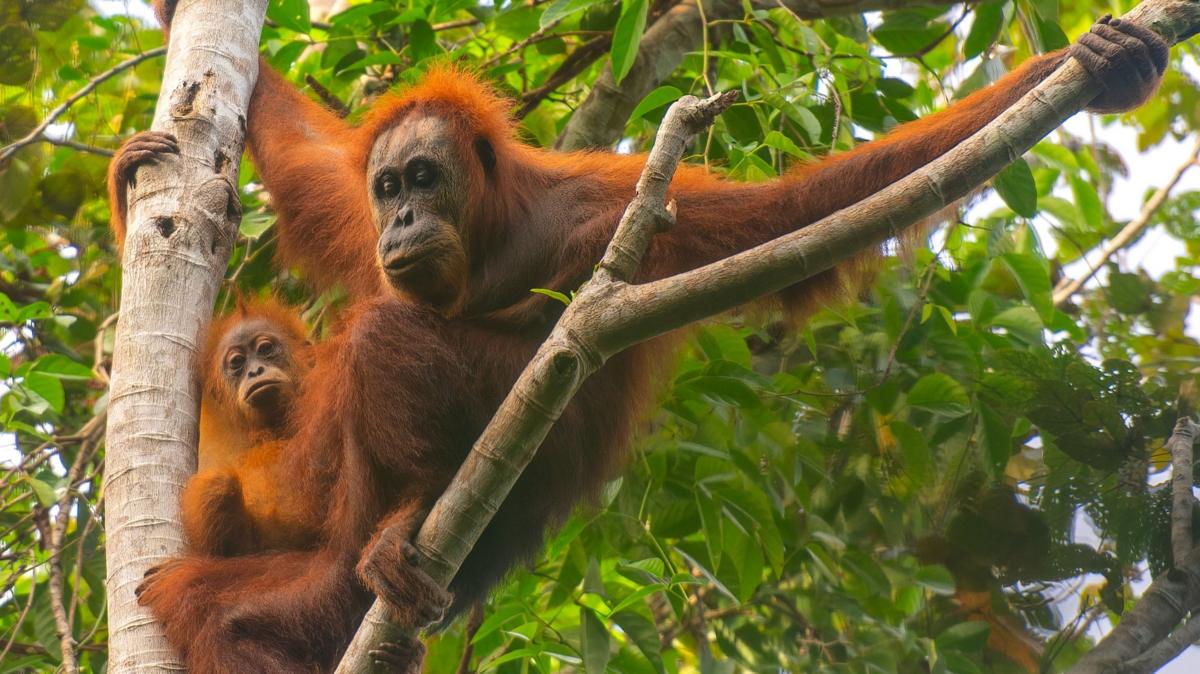
- Study estimates that 58 of the less than 800 critically endangered Tapanuli orangutans—around 7% of the species—died as a direct result of the storm, a figure the authors say is conservative.
- Professor Erik Meijaard of Borneo Futures previously estimated 35 deaths, but the new analysis raises the toll to 58, noting additional uncounted impacts such as canopy damage and reduced food.
- Humanitarian workers in Pulo Pakkat village reported finding a semi‑buried orangutan carcass with severe facial injuries, confirming field observations of disappearing sightings after the cyclone.
- Indonesian government has temporarily halted major developments—mining, oil palm, and hydropower—in the protected Batang Toru forest, giving researchers a window to assess ecological risks and plan coordinated conservation actions.
Why it matters: The loss of 58 Tapanuli orangutans shrinks an already tiny population by 7%, accelerating its path toward extinction and underscoring the urgent need for climate‑responsive conservation; the Indonesian pause on development offers a rare chance for protection but also stalls economic projects.
Ask SkimNews


