Solar drove 88% of new US power capacity in 2025 — SkimNews
Get the Energy newsletter
Daily energy & climate — solar, EVs, oil, the policy fights and tech bets shaping the transition. Free.
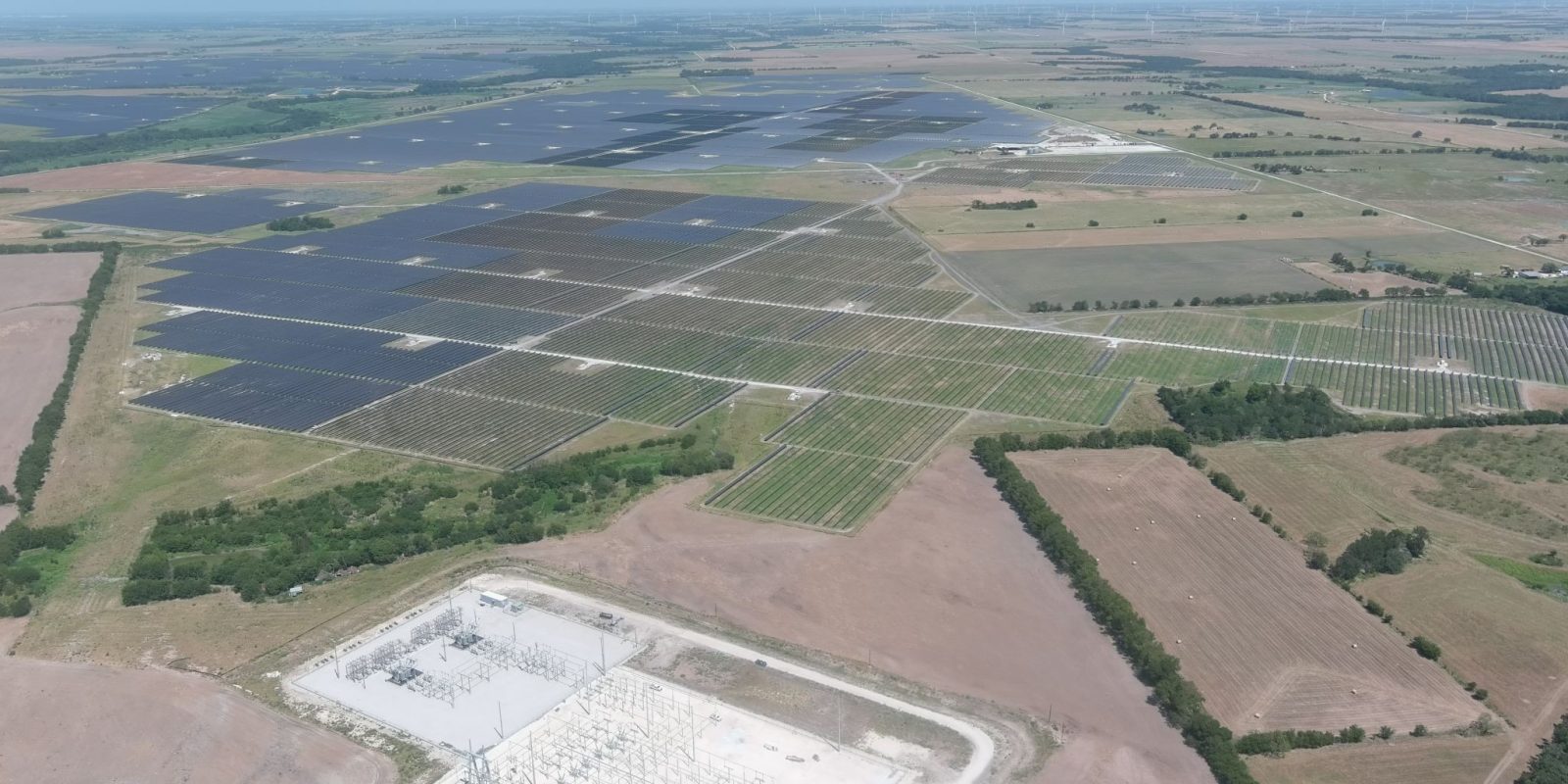
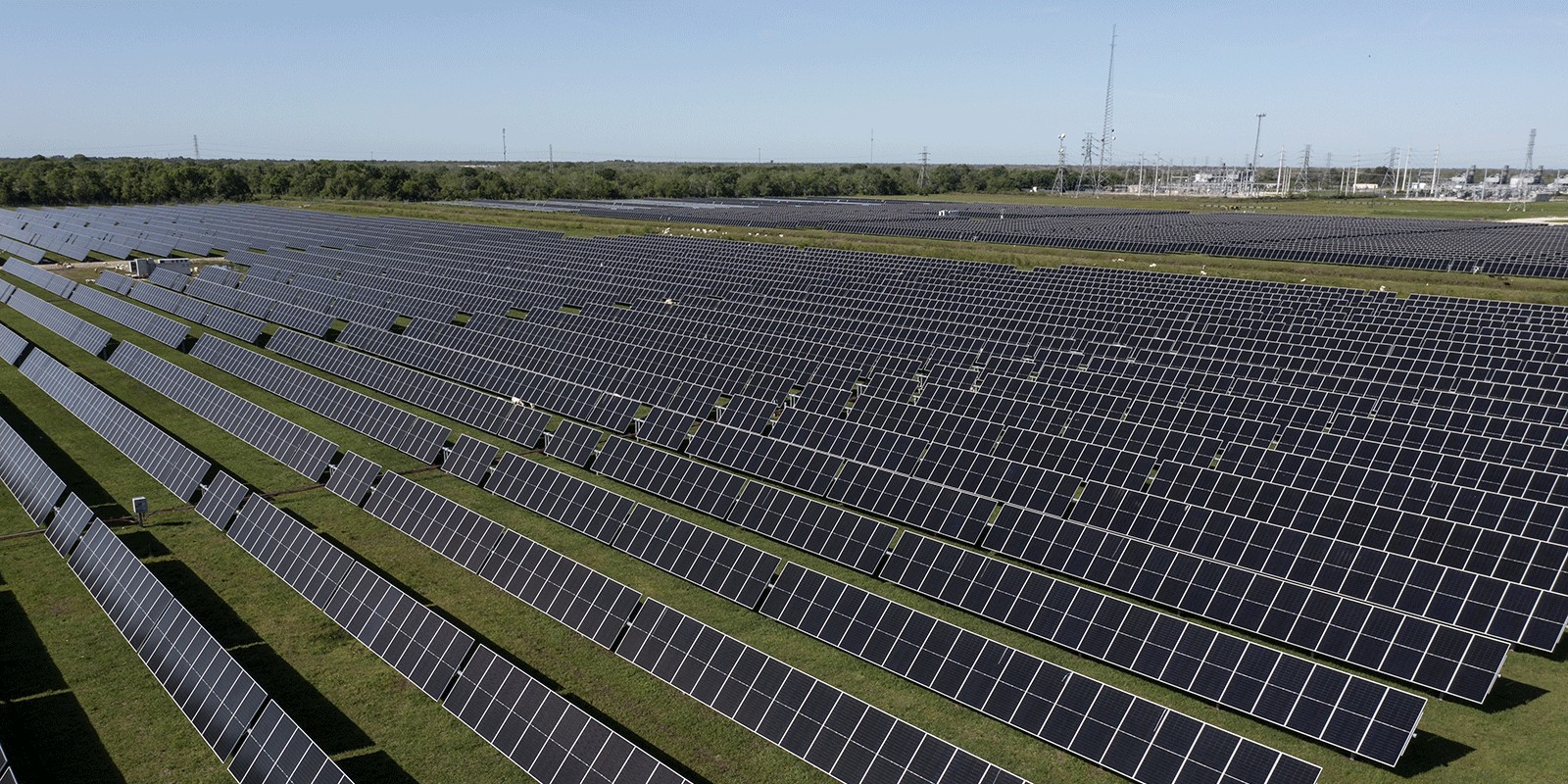
- Solar accounted for 72.6% of new US electrical generating capacity added in 2025, with 26,556 MW coming from 710 utility-scale units placed in service during the year.
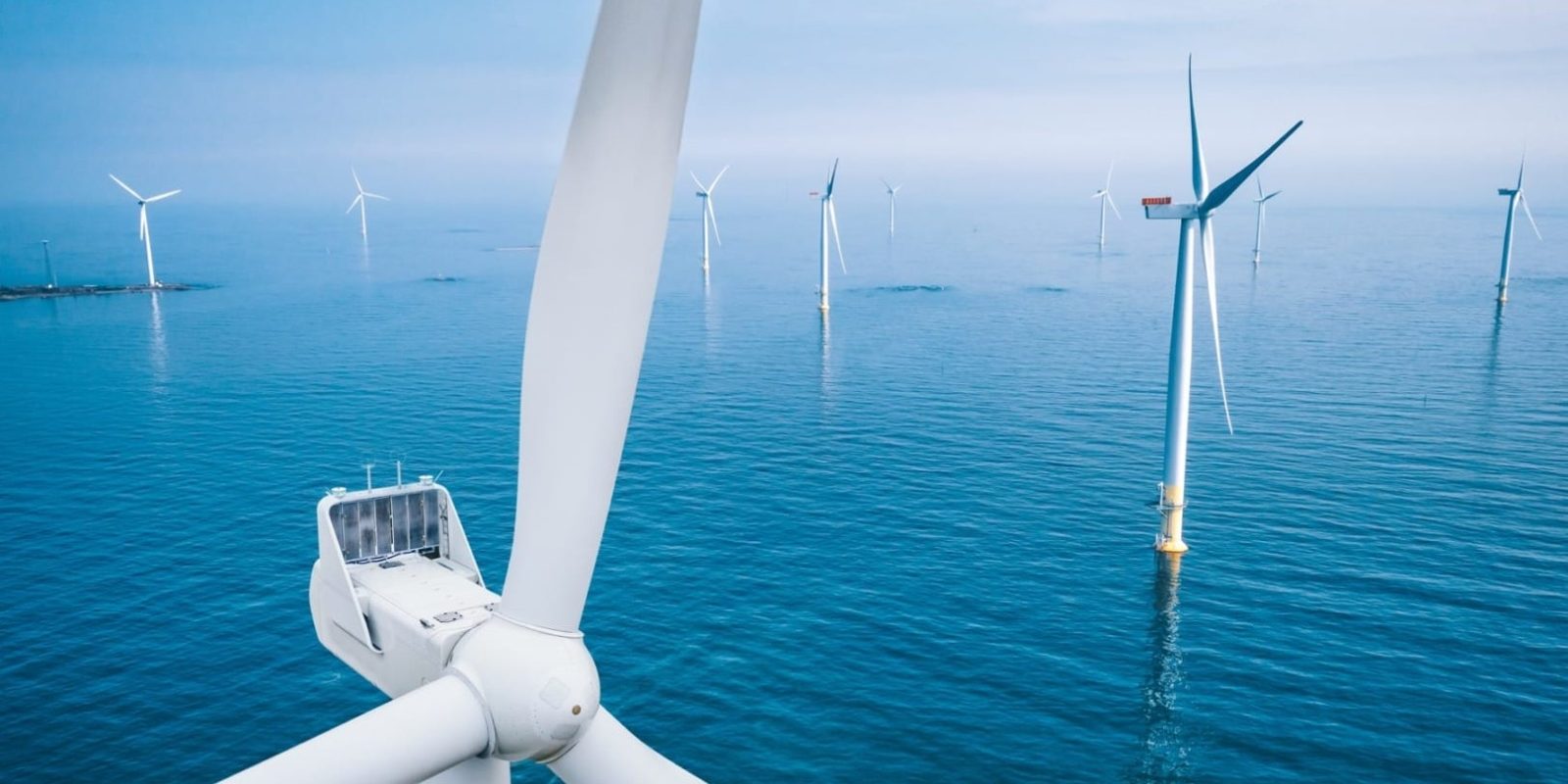
- Wind added 5,763 MW in 2025 — a 26% jump over 2024 and more than the 4,179 MW added by natural gas, which contributed just 11.4% of all new capacity.
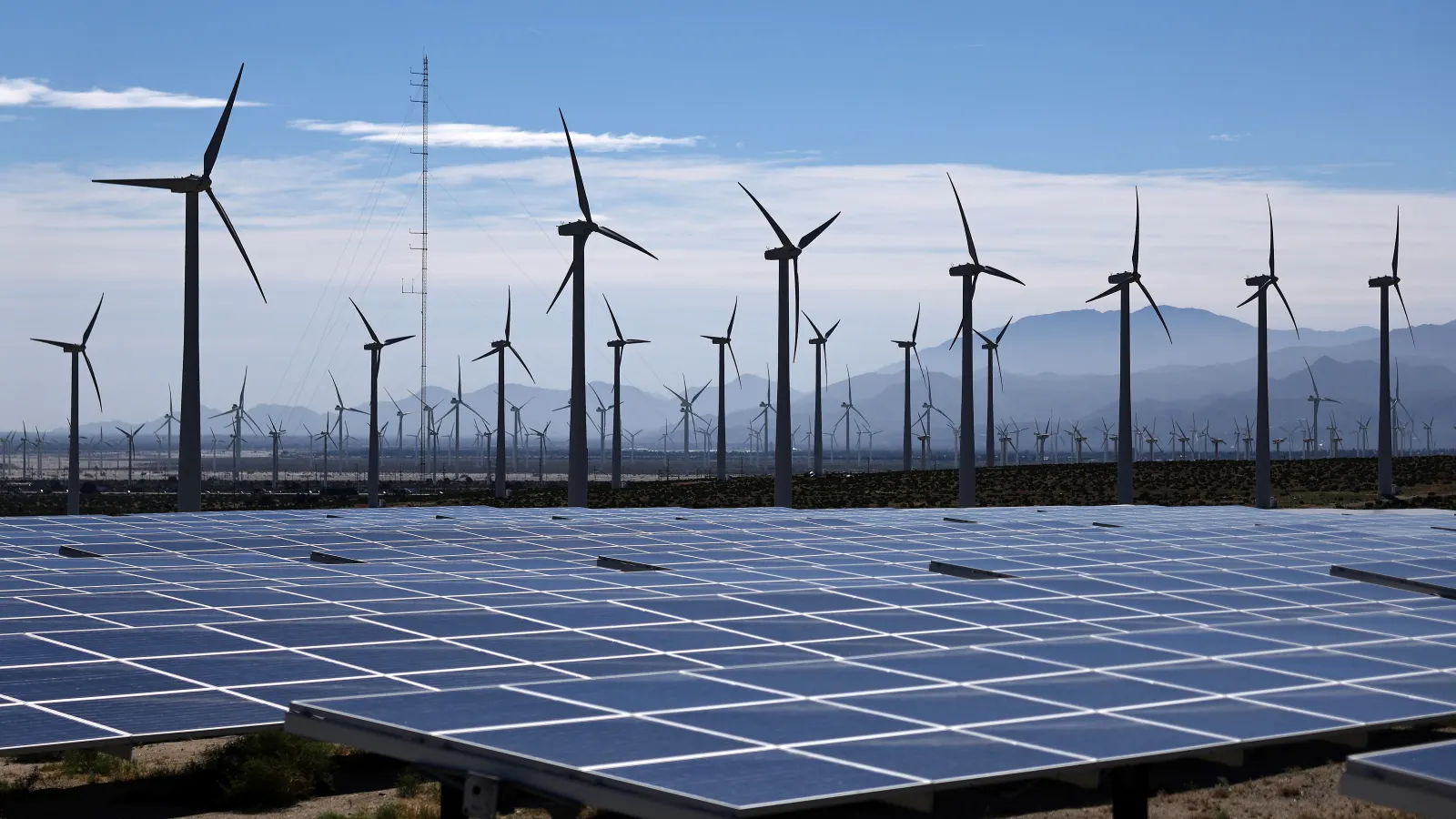
- Renewables collectively (solar, wind, hydropower, and biomass) made up 88.4% of all new generating capacity added in 2025, according to FERC's Energy Infrastructure Update.
- Solar has been the largest source of new generating capacity for 28 consecutive months, with installed utility-scale capacity now at 164.5 GW (12.2% of the US total), surpassing wind, nuclear, and hydropower individually.
- FERC forecasts 86,126 MW of net solar additions over the next three years — more than four times the projected 19,821 MW of wind growth, and enough to push solar's share past coal's by 2028.
- Coal capacity is projected to contract by 40,828 MW through January 2029, while the combined installed capacity of fossil fuels and nuclear would shrink by 33,929 MW over the same period.
- SUN DAY Campaign executive director Ken Bossong said the growth trend is on track to continue over the next three years "notwithstanding efforts by the White House to reverse course."
Why it matters: FERC's three-year outlook has solar adding 86 GW while coal sheds over 40 GW, a structural reordering that utilities and grid planners must accommodate regardless of the Trump administration's stated opposition — solar is projected to become the No. 2 source of installed US capacity by 2028.
Ask SkimNews