Canada pipeline plan threatens orcas, groups warn — SkimNews

SkimNews Take
The proposed policy change on endangered species assessment could shift the burden of proof for environmental harm, effectively weakening the legal pathway for groups to challenge projects based on their impact.
Get the Energy newsletter
Daily energy & climate — solar, EVs, oil, the policy fights and tech bets shaping the transition. Free.
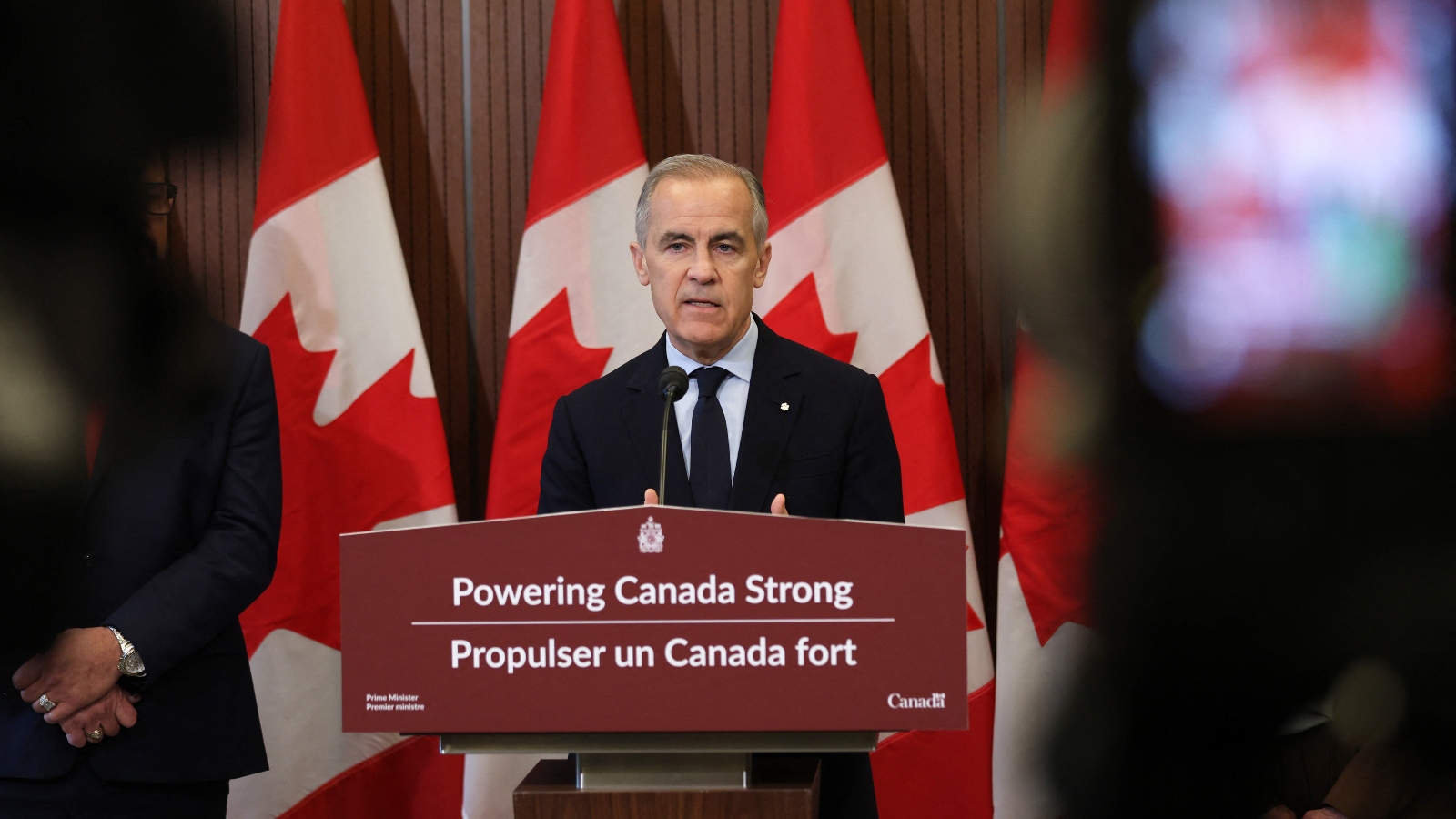
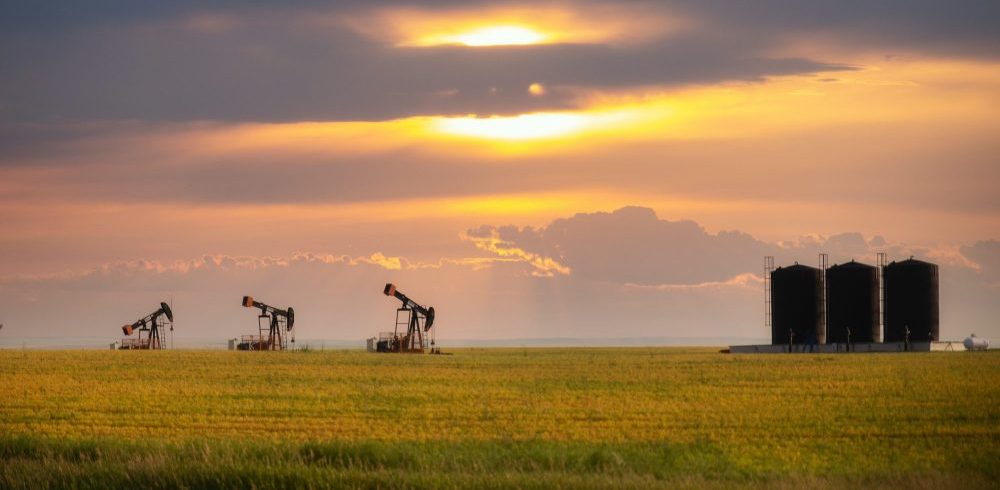
- Mark Carney announced plans for a new oil pipeline from Alberta to the Pacific coast, with construction slated to start by fall 2027.
- Getting Major Projects Built in Canada (the federal policy paper) proposes exempting major projects from the jeopardy test for species at risk, weakening the Species at Risk Act’s safeguard for endangered wildlife.
- Raincoast Conservation Foundation warned that removing the jeopardy test could push the critically endangered southern resident orcas—now about 70 individuals—closer to extinction as ship traffic from the Trans Mountain pipeline and a new LNG terminal increases.
- Steven MacKinnon said the government has pledged C$91.3 million for whale protection and is expanding the required ship‑whale distance from 200 m to 1,000 m to mitigate disturbance.
- Getting Major Projects Built in Canada is open for public comment until 9 June.
Why it matters: Oil companies gain a faster approval process, while southern resident orcas risk further decline as ship traffic rises; the government has allocated C$91.3 million for whale protection and increased ship‑whale distance to 1 km.
Ask SkimNews