Canada's C$150bn Pipeline Deal Keeps BC Tanker Ban — SkimNews

Get the Energy newsletter
Daily energy & climate — solar, EVs, oil, the policy fights and tech bets shaping the transition. Free.
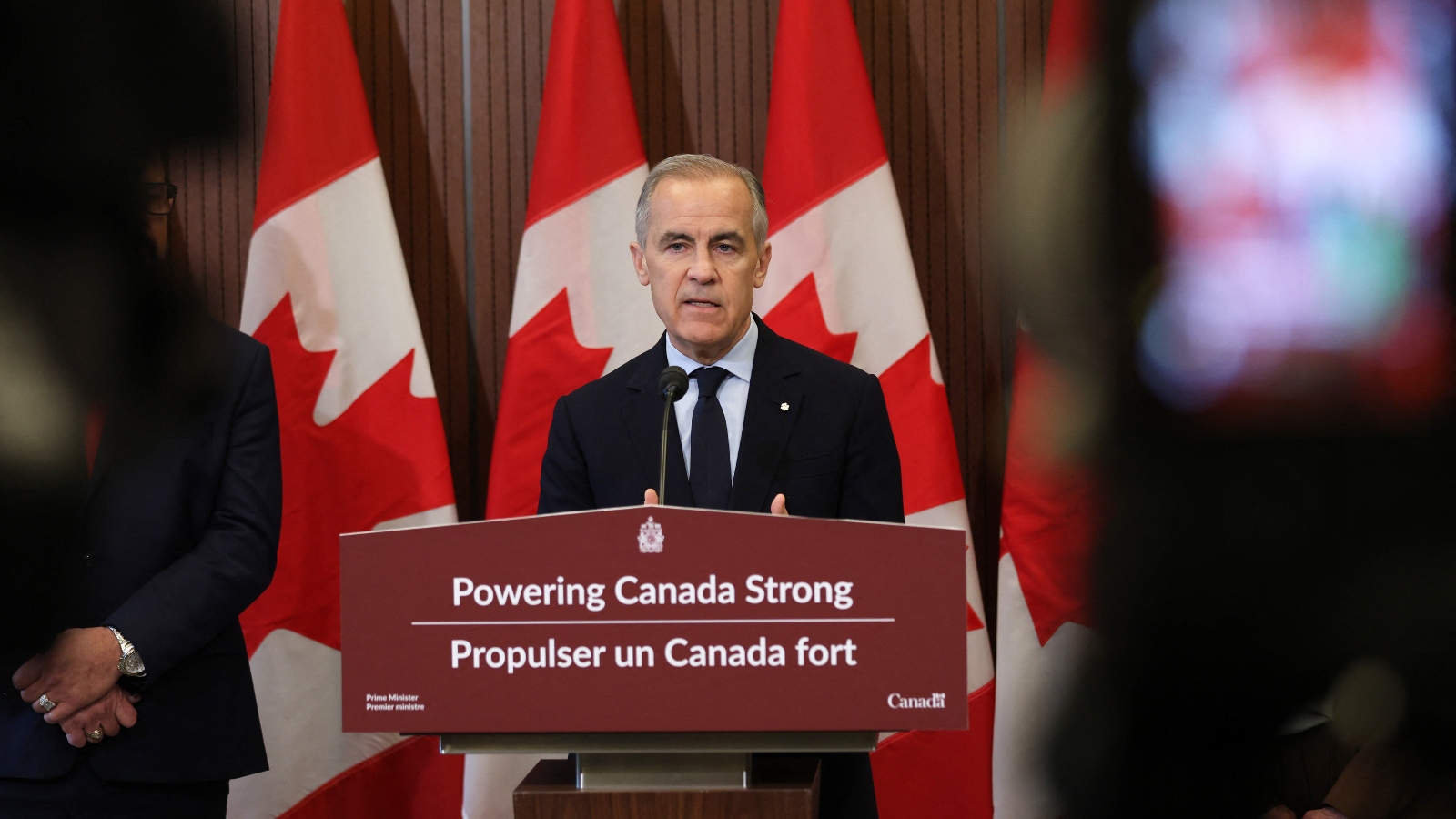
- Mark Carney announced over C$150bn in investments across BC and Alberta, framing the pipeline as part of a broader pivot to reduce Canadian trade dependence on the United States and expand overseas energy markets
- The new pipeline will follow the existing Trans Mountain route before diverting at the end to a new terminal, transporting 1 million barrels of oil per day according to the Alberta government
- Carney's government will leave in place a longstanding federal ban on tankers loading or unloading oil from BC's north coast — a safeguard First Nations said was non-negotiable, and one they had threatened to withdraw LNG support over if lifted
- Carney pledged Canada and Alberta would be "equal partners" in the pipeline with "a meaningful ownership stake for Indigenous communities," with consultations beginning immediately with provinces, territories, and Indigenous groups
- Alberta Premier Danielle Smith abandoned her push for a northern route — which would have required overturning the tanker ban — calling the southern route "the fastest, most cost-effective path to expanding Canada's energy exports"
- Pembina Institute's Chris Severson-Baker warned Albertan and Canadian taxpayers will shoulder roughly 90% of a project likely "running into the tens of billions," noting that "if this was a smart economic venture… a private company or companies would have put up the cash"
- The Climate Action Network countered Carney's "geopolitical instability" framing, arguing climate change — not trade partners — is the greater instability, and that "continuing to expand fossil fuel production when Canadians are already living with climate chaos is simply dangerous"
Why it matters: A pipeline that private investors won't fund is being built anyway because Ottawa and Edmonton judge the strategic value — reducing US trade exposure — worth a roughly 90% taxpayer share that "will likely run into the tens of billions." First Nations keep the tanker ban and gain ownership stakes, but Canadian taxpayers absorb costs the Pembina Institute says wouldn't yield reasonable private returns.
Ask SkimNews