Estancia Wells Dry as Detention Center Tops Water Use — SkimNews
Get the Energy newsletter
Daily energy & climate — solar, EVs, oil, the policy fights and tech bets shaping the transition. Free.
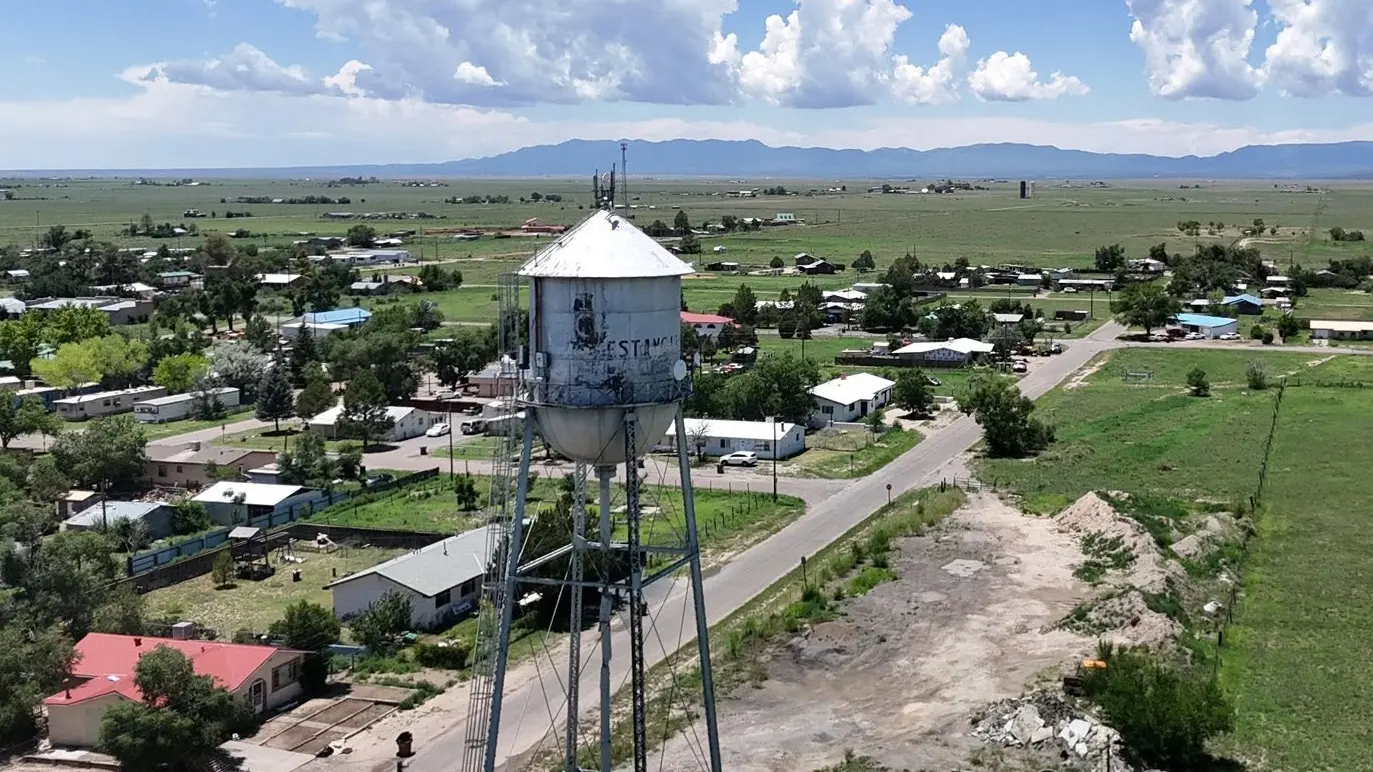
- Estancia, New Mexico declared a water emergency after wells ran dry from years of drought, and as of Saturday had hauled in 116,700 gallons of water by truck to keep pipes flowing for its 1,400 residents.
- The Torrance County Detention Facility — a CoreCivic-run federal ICE lockup that can hold 800 people — is Estancia's largest commercial water customer; the town cut its supply during the crisis, forcing the facility to truck in its own water.
- CoreCivic said contingency plans are in place, drinking water remains available within housing units, bottled water has been provided, and detention operations have not been impacted.
- Mayor Runnel Riley, who won his seat in November 2025 by just five votes, took a leave of absence as the crisis worsened; trustees voted "no confidence" in him during Tuesday's meeting.
- The state provided funding to drill a new well, and Estancia will open the 30-day bidding process this month; trustees also banned private Fourth of July fireworks due to fire risk during the water emergency.
- More than 80% of Estancia's water goes to commercial customers, but Mayor Pro Tem Albert Lovato said officials can't give precise figures because the detention center's population fluctuates — leaving residents unable to judge how much CoreCivic actually draws.
- A 2022 DHS Office of Inspector General report documented unsanitary conditions at TCDF, including clogged toilets, broken sinks, inoperable toilets, water leaks, and mold.
Why it matters: For a town of 1,400 people serving a facility that can detain 800, the crisis exposes how thin local infrastructure is when scaled against federal detention demand — and Estancia officials haven't disclosed how much water CoreCivic actually draws, leaving residents unable to judge who is draining their aquifer while the state-funded new well remains months from completion.
Ask SkimNews