Carney Locks In Pipeline Deal to Reach Asian Markets — SkimNews

Get the Energy newsletter
Daily energy & climate — solar, EVs, oil, the policy fights and tech bets shaping the transition. Free.
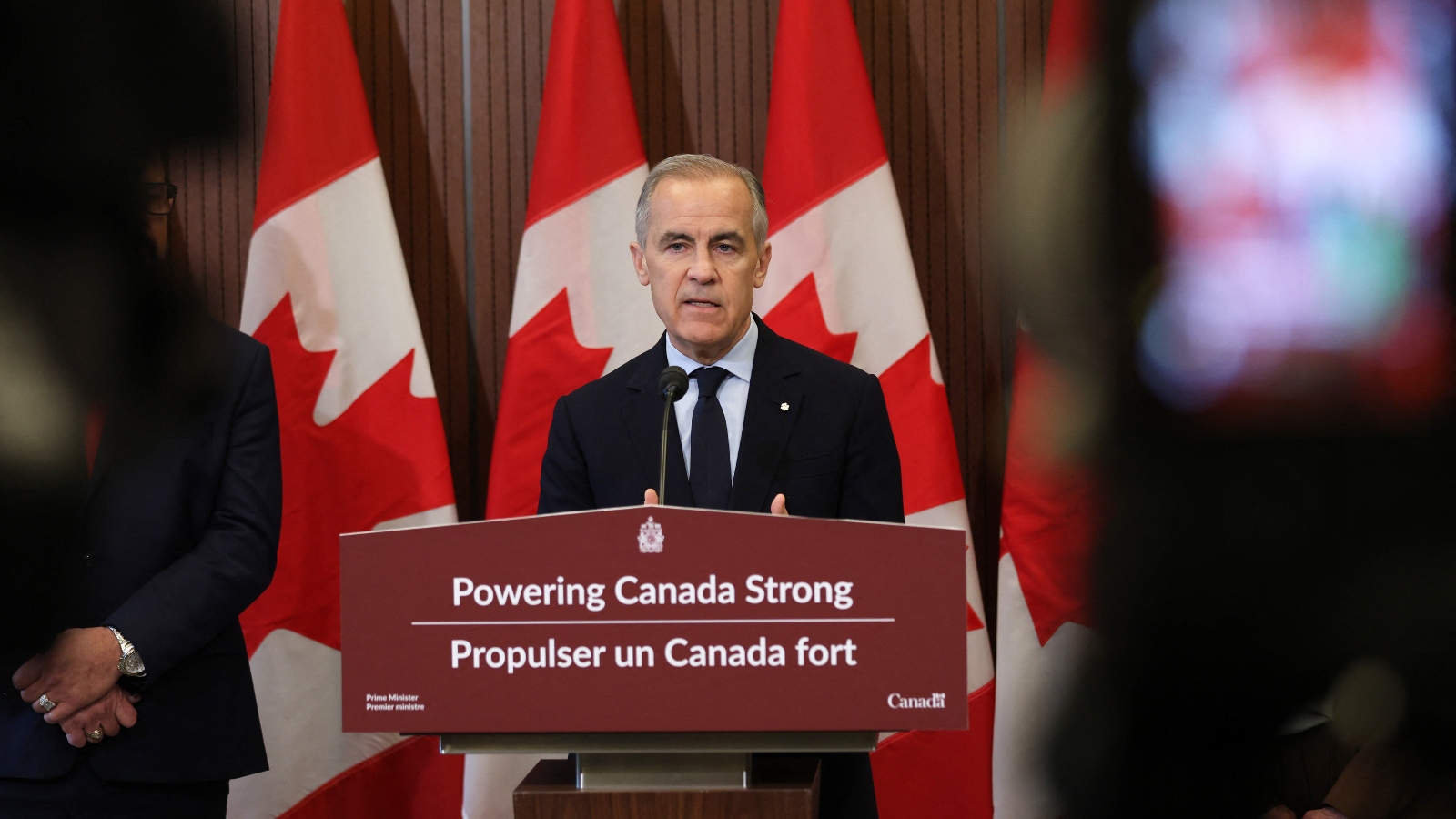
- Mark Carney secured an investment agreement with British Columbia to build a pipeline capable of carrying 1 million barrels of oil per day from Alberta across the province to the Pacific coast, a route designed to reach Asian markets
- Carney set a goal of doubling Canada's non-US exports within a decade and said the pipeline can shrink the price discount currently applied to Canadian oil sold into US markets
- Alberta Premier Danielle Smith said the province is partnering with the federally owned Trans Mountain Corporation and Calgary-based Pembina Pipeline on what she calls the West Coast oil pipeline, and outlined a target of doubling Alberta's oil production to 8 million barrels per day over 10–15 years
- BC Premier David Eby secured a commitment from Carney to keep BC's northern tanker ban in place, protecting the Great Bear Rainforest coast while still allowing a southern pipeline route
- Carney said he will compensate British Columbia for environmental risks tied to any southern pipeline and confirmed the project will follow the existing Trans Mountain corridor from Bruderheim, northeast of Edmonton
- Since the Trans Mountain expansion opened through BC's southern coast in 2024, roughly two-thirds to three-quarters of crude shipped from Canada's Pacific Coast has already gone to Asia, according to the article
- The pipeline push is part of Canada's strategy to counter Trump's varying tariffs on Canadian energy products and goods, imposed via executive order since his second term began
- Alberta is holding a public vote in the fall on whether to hold a referendum on leaving Canada, a separatist backdrop Smith has linked to federal policies on the energy industry
Why it matters: Canada locks in a Pacific route carrying 1 million barrels per day to Asian markets that already absorb two-thirds to three-quarters of its existing Pacific crude shipments, undercutting the leverage Trump's tariffs have over Canadian oil pricing. BC extracted a meaningful concession: the northern tanker ban and Great Bear Rainforest stay protected while environmental compensation flows south, leaving the constitutional clash over a northern route off the table.
Ask SkimNews