Artemis II Earthset Photo Recalls 1968 Earthrise — SkimNews

Get the Health newsletter
Daily health & science — research, biotech, public health, the studies worth knowing. Free.
- NASA's Artemis II mission completed its lunar flyby on April 6, sending back an Earthset image of colorful Earth setting behind an almost full lunar disk, drawn from roughly 5,000 miles away in a gravity-powered slingshot trajectory.
- The 1968 Apollo 8 Earthrise was taken by Bill Anders using a mechanical Hasselblad camera with no viewfinder, after he exclaimed "Oh my God! Look at that picture over there!"—no one saw any images until the film was developed back on Earth.
- Apollo 8 commander Frank Borman had warned crewmates "I don't want to see you guys looking out the window," and Earth images were listed as the lowest-priority "targets of opportunity" in the mission plan.
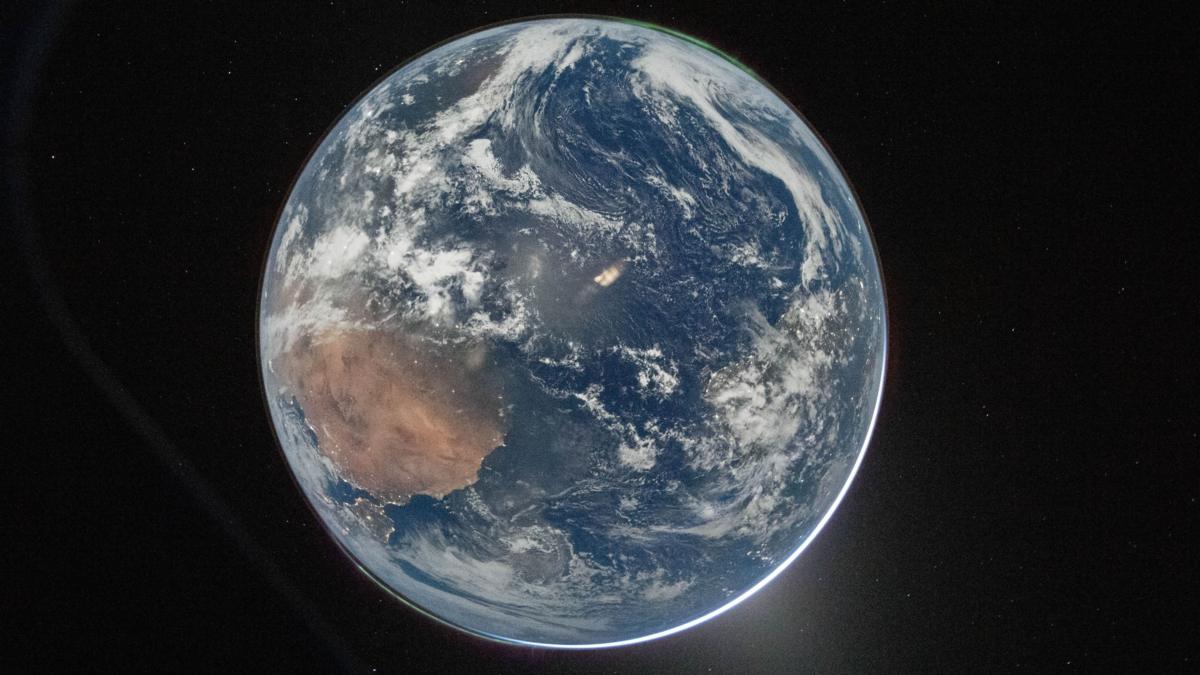
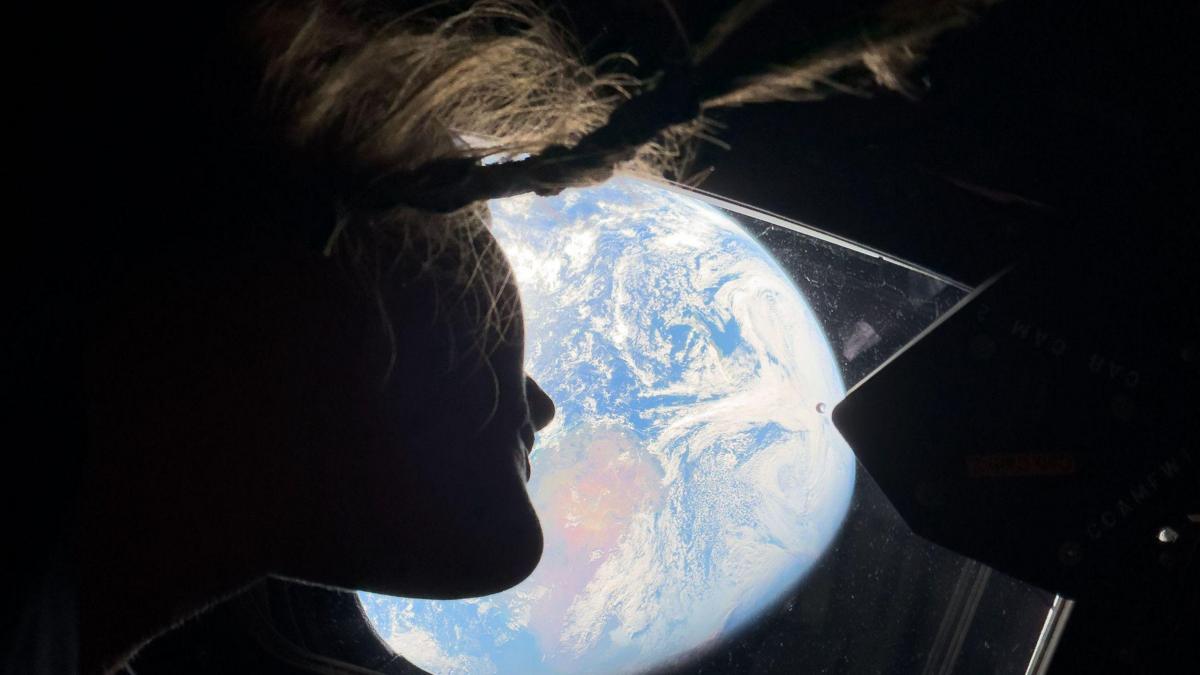
- Artemis II commander Reid Wiseman captured a crystal-clear full-disk Earth image on a tablet computer, initially dubbed "Hello, World" and later renamed "mother Earth," showing southern ocean, cloud cover, auroras at the poles, and a thin crescent of sunlight—Europe visible near the rim.
- The Earthrise image helped inspire the environmental movement, appeared in the logo for the first Earth Day in 1970, and prompted David Bowie to write "Space Oddity" shortly after its release.
- Mission specialist Christina Koch, after radio blackout as the craft passed behind the moon, declared: "We do not leave Earth but we choose it… We will inspire, but ultimately we will always choose Earth."
- A 2022 DSCOVR replication of the 1972 Blue Marble image highlighted visible environmental degradation—Madagascar's forests turning brown, the Sahara expanding, Antarctic ice retreating, and ancient snows disappearing from Iran's mountains.
Why it matters: The two images, separated by 58 years and vastly different photographic technology, underscore how Earth-from-space photography continues to shape public consciousness about the planet's fragility. Anders called the 1968 view "the most significant thing we're seeing is our own home planet"; Koch's closing declaration suggests the Artemis generation intends that same awakening to guide climate-era decisions.
Ask SkimNews