China Lands First Reusable Booster, Trails SpaceX — SkimNews

Get the Health newsletter
Daily health & science — research, biotech, public health, the studies worth knowing. Free.
- LandSpace launched its 66-meter Zhuque-3 rocket last month and safely recovered the booster stage — a Chinese first, though no Chinese booster has yet been reflown while SpaceX has done so hundreds of times.
- LandSpace's Zhuque-2 became the first methane-fuelled rocket to reach orbit in 2023, a milestone SpaceX has not yet matched.
- China's 15th Five-Year Plan sets a 2030 target to become a "space power," with reusable rockets central to plans for crewed lunar missions and a Starlink competitor constellation.
- Kevin Sagis at the University of Texas at Austin draws Cold War parallels, noting China shares Soviet-era advantages: one-party coordination, loose regulation, and greater public tolerance for astronaut risk.
- Chris Ellis at the University of Nottingham estimates China is roughly 10 years behind the US in current reusable technology, though the race consists of hundreds of small challenges where China may lead in some areas.
- Galactic Energy's Pallas-1 flew for the first time this month without a recovery attempt, while state-owned CASC's Long March 10 completed a sea-based first-stage recovery test earlier this year.
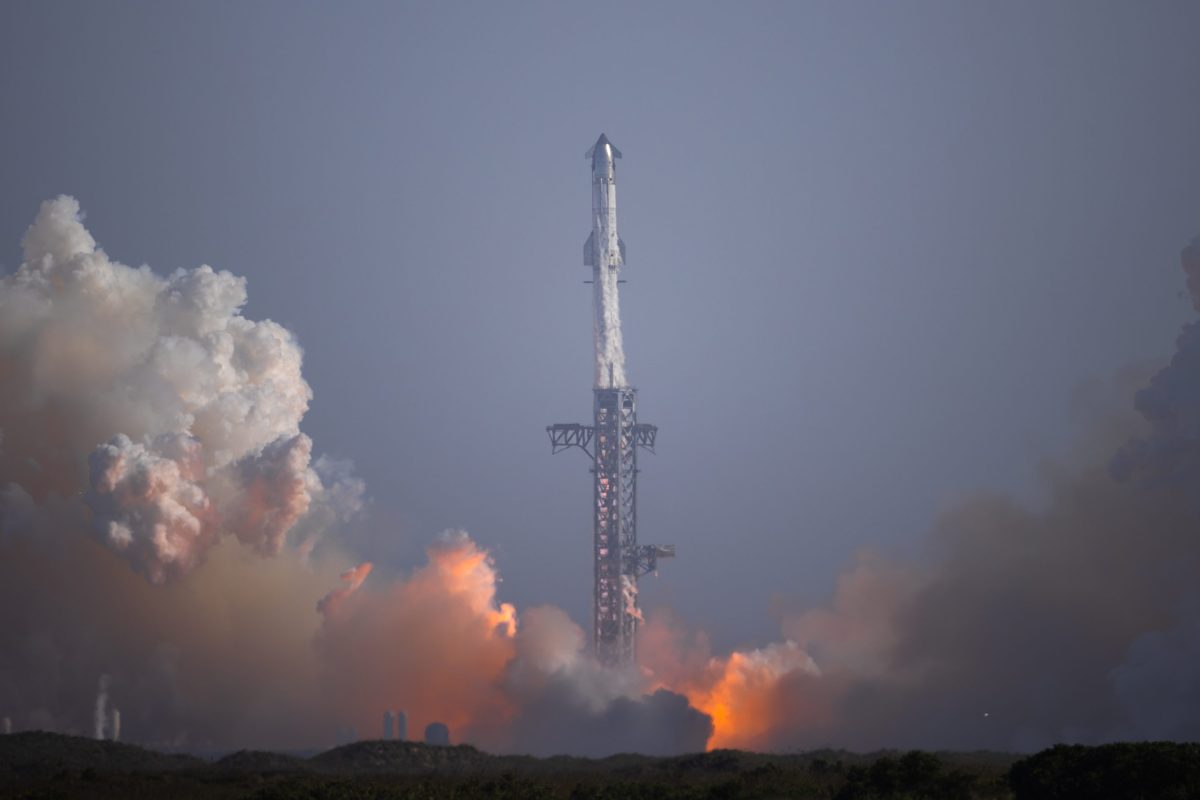
- Deep Blue Aerospace's founder has publicly stated China can catch up with SpaceX by 2030, but LandSpace has no equivalent to SpaceX's 124-meter Starship.
Why it matters: China's reusable rocket progress narrows the US's cost and cadence advantage in low-Earth orbit access, which underpins SpaceX's Starlink dominance and future crewed lunar plans. The 15th Five-Year Plan's 2030 'space power' target, combined with state-directed funding and Deep Blue Aerospace's explicit catch-up goal, creates a credible path toward parity in launch costs and constellation deployment.
Ask SkimNews