Summer Triangle Returns: Vega, Deneb, Altair Visible Now — SkimNews
Get the Health newsletter
Daily health & science — research, biotech, public health, the studies worth knowing. Free.
- Vega, the brightest of the Summer Triangle's three stars, sits almost directly overhead from the UK in late July as part of the constellation Lyra, the lyre
- Deneb, the brightest star in Cygnus the swan, lies to the north-east of Vega and forms the triangle's second vertex
- Altair, in Aquila the eagle, appears lower in the south-east and completes the three-star pattern
- The Summer Triangle is not an official constellation but is among the easiest patterns to identify in the northern summer sky, climbing higher as the evening progresses
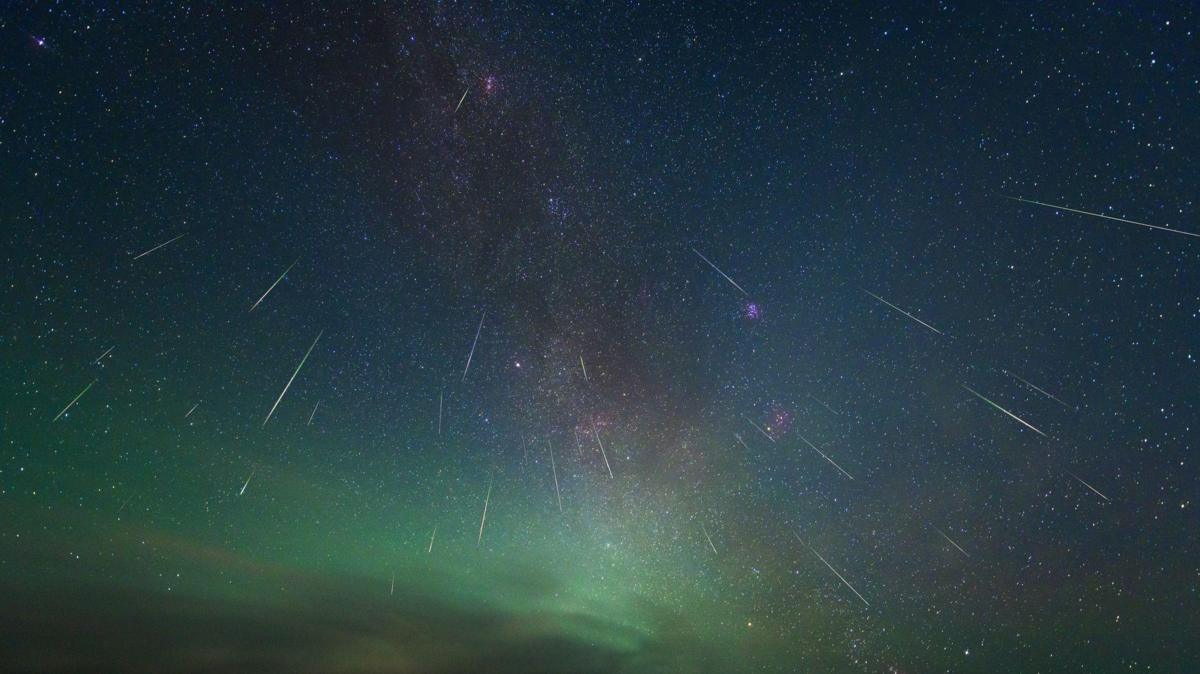
- The asterism frames the Milky Way, which from a dark site reveals itself as a pale band — the combined light of billions of stars making up the wider sweeps of our galaxy
- From the southern hemisphere, the same Summer Triangle is visible but stays lower in the northern sky and never climbs very high
- The article recommends binoculars to explore the rich star fields visible within the triangle's confines
Why it matters: For northern hemisphere stargazers, the Summer Triangle's return marks peak summer Milky Way season — binoculars reveal the combined light of billions of galactic stars framed by its three vertices. Southern hemisphere viewers can spot the same asterism, though it never climbs high in their sky.
Ask SkimNews