US, Ukraine agree to PAC-3 missile production deal — SkimNews

Get the Geopolitics newsletter
Daily geopolitics — wars, elections, sanctions, the diplomatic moves that move markets. Free.
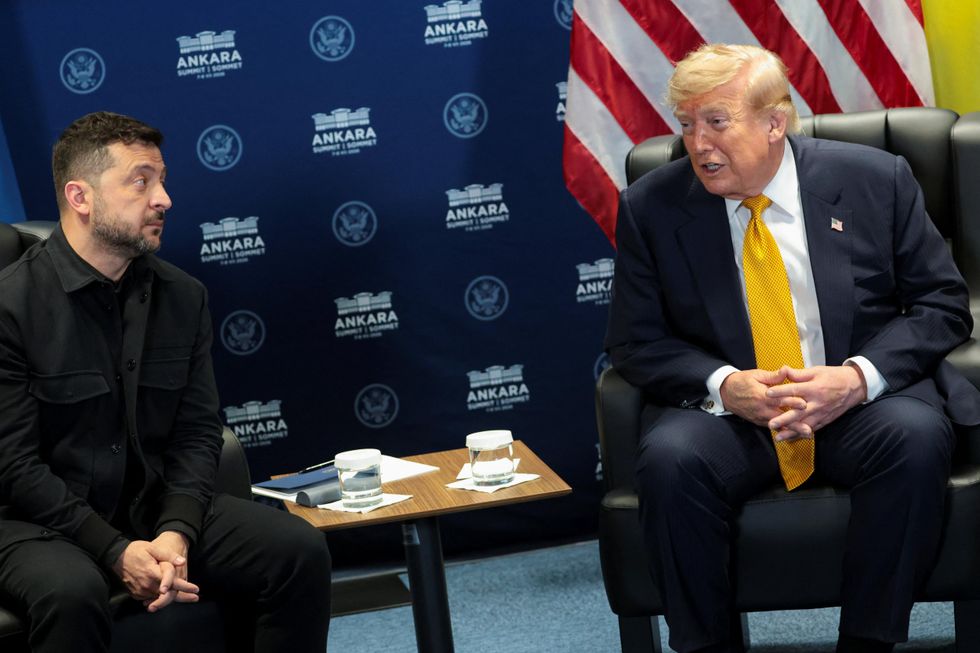
- Trump and Zelensky reached a political agreement for Ukraine to receive a license to manufacture PAC-3 interceptors, paired with a short-term supply of missiles from US stockpiles to bridge the gap.
- Lockheed Martin holds the license for PAC-3 production but relies on around 400 suppliers, including Boeing and Rocketdyne, many of which are behind on critical components needed for missile assembly.
- Mitsubishi Heavy Industries produces PAC-3 MSE missiles under license in Japan at a rate of about 30 per year, constrained by shortages of missile seekers from Boeing despite capacity to double output.
- US and Gulf allies fired large numbers of PAC-3 missiles during the conflict with Iran, and Ukraine has heavily used its Patriots against Russian attacks, depleting inventories whose exact levels remain classified.
- Ukraine would need to build production capability from scratch, facing risks of Russian targeting, technology theft, and a timeline that likely delays domestic output until 2029–2030 even with supply chain prioritization.
- NATO allies are expected to fund Ukraine’s potential PAC-3 production facility, as the Trump-Zelensky agreement did not address financial commitments for construction or scaling.
Why it matters: Ukraine faces a critical air defense shortfall with no near-term solution—PAC-3 production won’t begin before 2029, suppliers are bottlenecked, and current inventories are strained from use in Iran and Ukraine. This delays meaningful self-sufficiency despite political momentum.
Ask SkimNews