The secret reason some cancer treatments stop working — SkimNews
Get the Health newsletter
Daily health & science — research, biotech, public health, the studies worth knowing. Free.
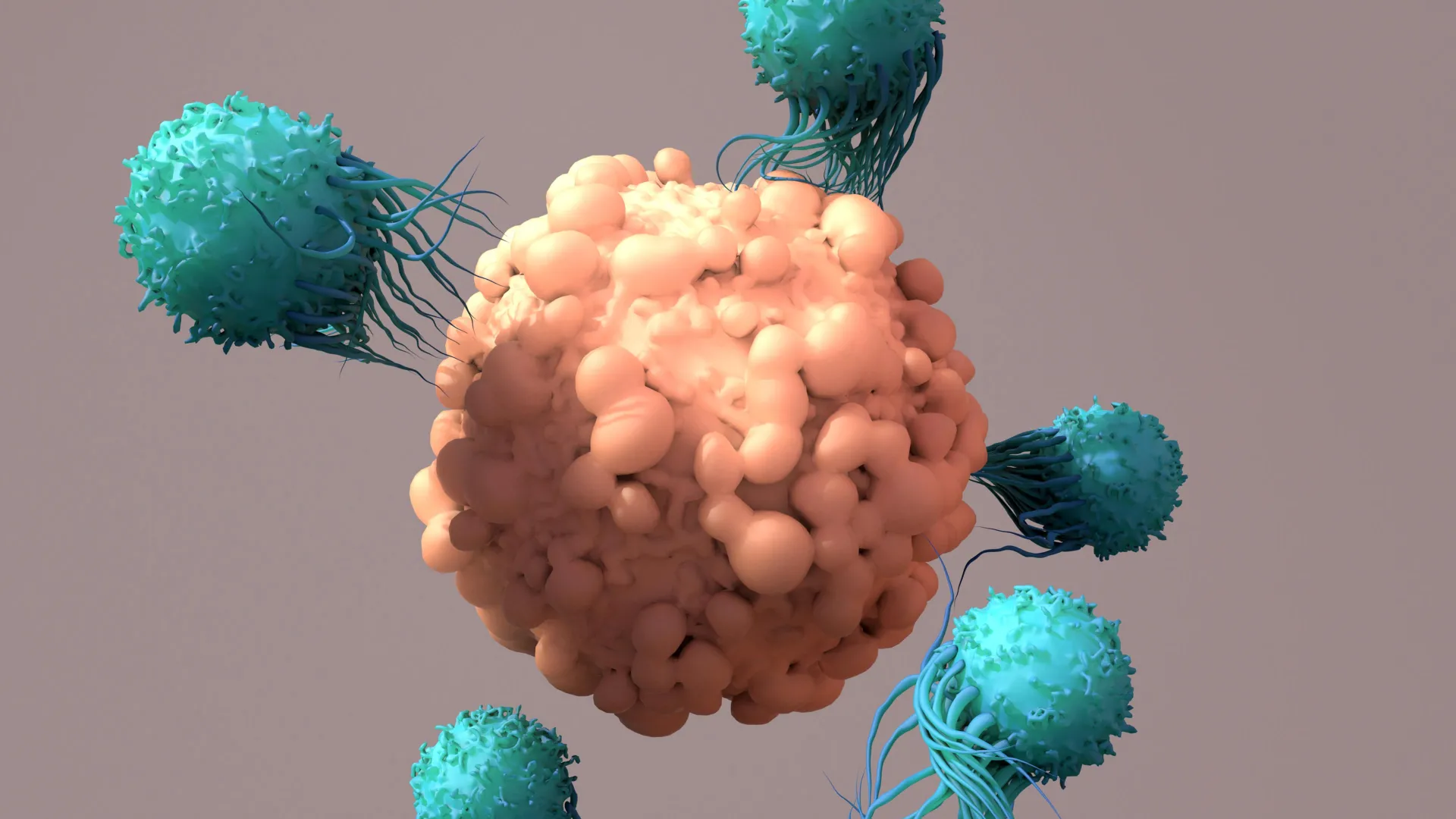
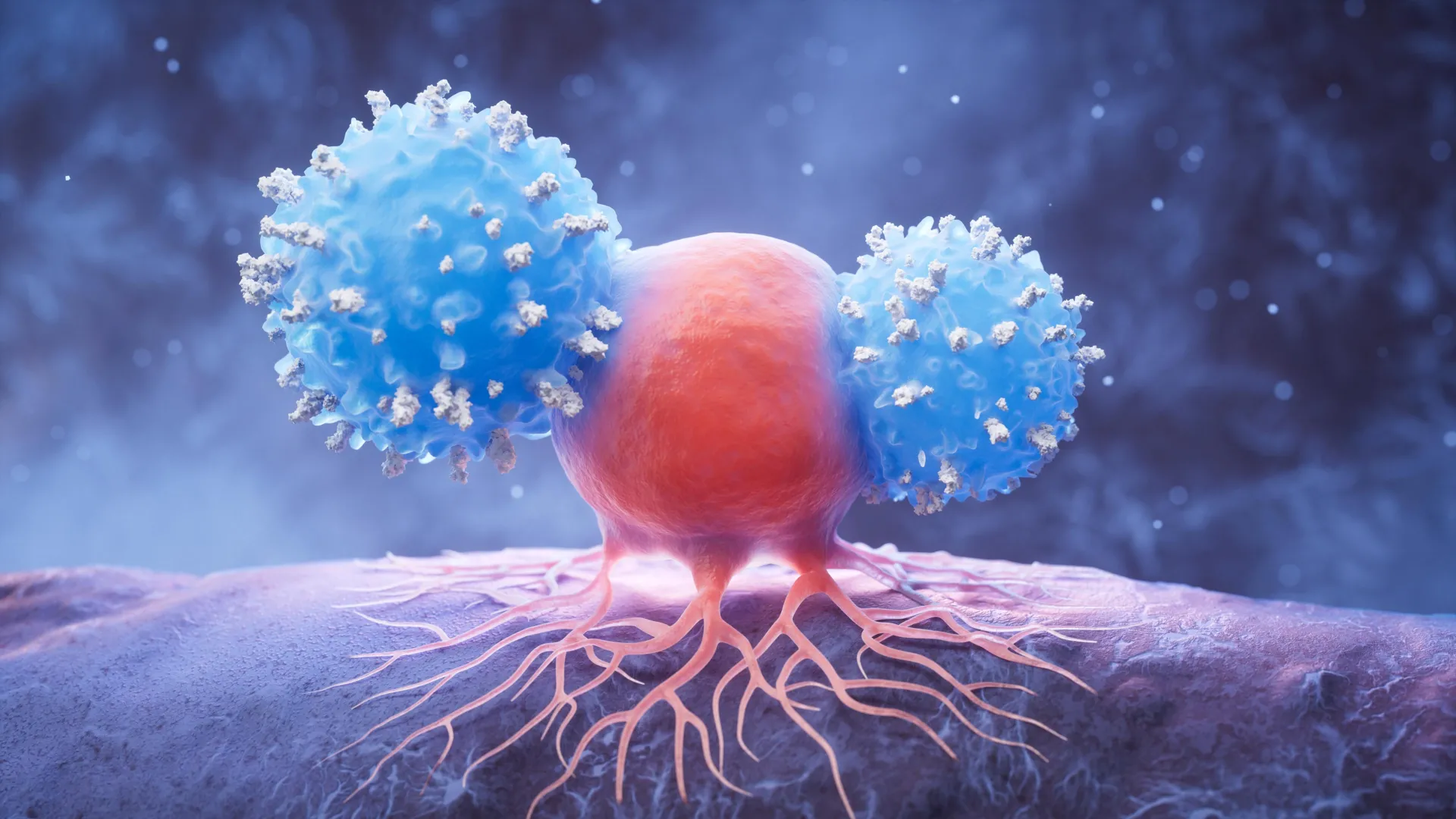
- André Veillette and colleagues at the Université de Montréal and the Montreal Clinical Research Institute (IRCM) identified SLAMF6 as a molecule on the surface of T cells that sends suppressive signals and weakens the body's attack on tumors.
- Unlike PD1 and PDL1 checkpoints — which require interaction with tumor cells to suppress immunity — SLAMF6 can activate itself directly on T cells, making it a mechanistically distinct class of immune brake.
- The team created monoclonal antibodies that block SLAMF6 from binding to itself, and in lab tests the antibodies increased human T cell activation, produced more durable immune cells, and reduced T cell exhaustion.
- In mice, the antibodies triggered strong anti-tumor responses and performed better than any existing approach aimed at targeting SLAMF6, according to the researchers.
- The treatment could be especially useful for patients who no longer respond to PD1 or PDL1 inhibitors — the current standard immunotherapies — and could be used alone or combined with other immune-stimulating therapies.
- The study was published in Nature with funding from the Canadian Institutes of Health Research, the Terry Fox Research Institute, BioCanRx, Québec's Ministry of Economy, and the Canadian Foundation for Innovation; the next step is early-stage clinical trials in solid tumors and blood cancers.
Why it matters: Current checkpoint inhibitors (PD1/PDL1) leave a large share of patients unresponsive or resistant. Early-stage clinical trials in solid tumors and blood cancers are next, and success would open a new immunotherapy class for patients who have exhausted existing options — alone or combined with current treatments.
Ask SkimNews