Breast Tumors Shield Dormant Cancer Cells From Chemo — SkimNews
Get the Health newsletter
Daily health & science — research, biotech, public health, the studies worth knowing. Free.
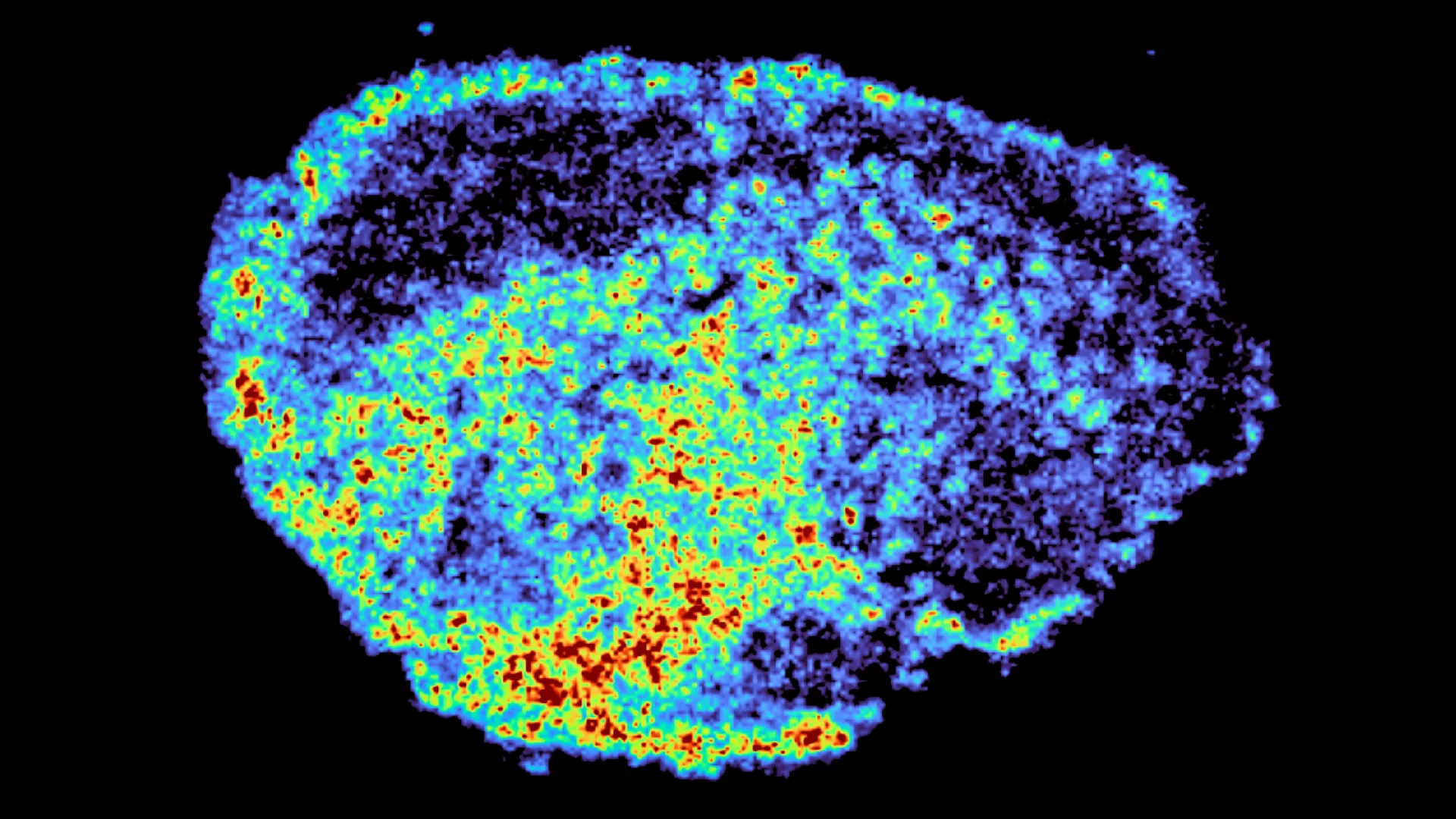
- MRC Laboratory of Medical Sciences researchers, working with Imperial College London and the UCL Genetics Institute, mapped breast tumors using single-cell RNA sequencing combined with spatial transcriptomics, publishing the results in Genome Medicine.
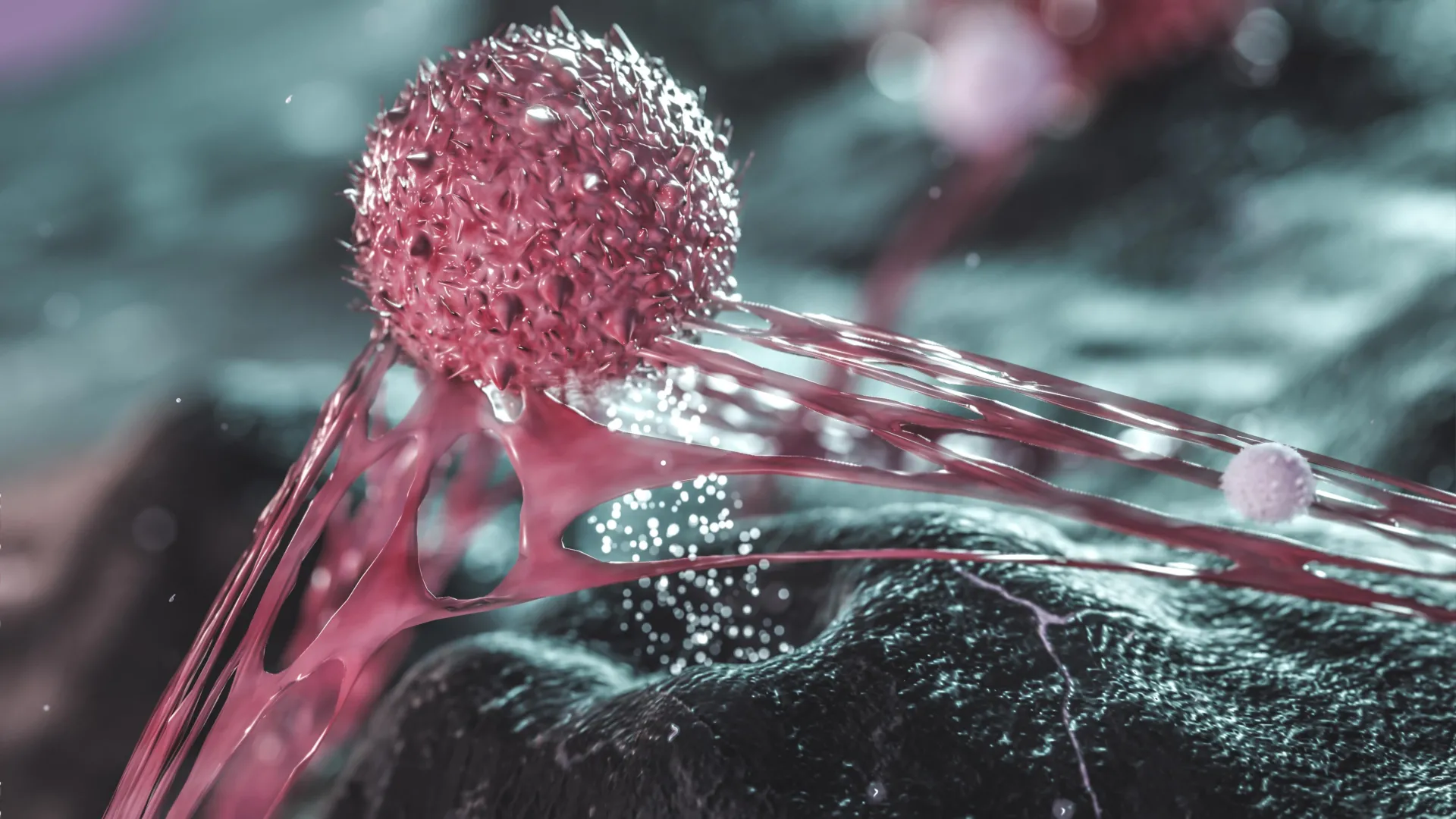
- Dr. Alexis Barr and Dr. Maria Secrier identified distinct clusters of dormant "quiescent" cancer cells surrounded by CXCL10-positive macrophages and myofibroblastic cancer-associated fibroblasts, which the team describes as protective "shields."
- The dormant cell niches showed increased activity in the complement pathway, a branch of the immune system that the researchers flag as a possible therapeutic target.
- The pattern of dormant cell neighborhoods appeared in both aggressive and slower-growing breast cancer types — an unexpected finding, since quiescence had previously been linked mainly to less aggressive disease.
- Cells resembling therapy-resistant populations already existed in tumors before any treatment, Barr and Secrier reported, suggesting some resistance characteristics are pre-existing rather than purely treatment-induced.
- The work was funded by a UKRI Future Leaders Fellowship, the Medical Research Council, and the Biotechnology and Biological Sciences Research Council.
Why it matters: For breast cancer patients, this reframes relapse risk around a previously hidden tumor compartment: dormant cells wrapped in immune shields that survive chemotherapy by design. The team's complement-pathway finding points to a concrete drug target that, if validated experimentally, could anchor combination regimens aimed at both proliferative and dormant regions of the same tumor.
Ask SkimNews