Oil Tanker Threats Peak in Middle East — SkimNews
Get the Geopolitics newsletter
Daily geopolitics — wars, elections, sanctions, the diplomatic moves that move markets. Free.
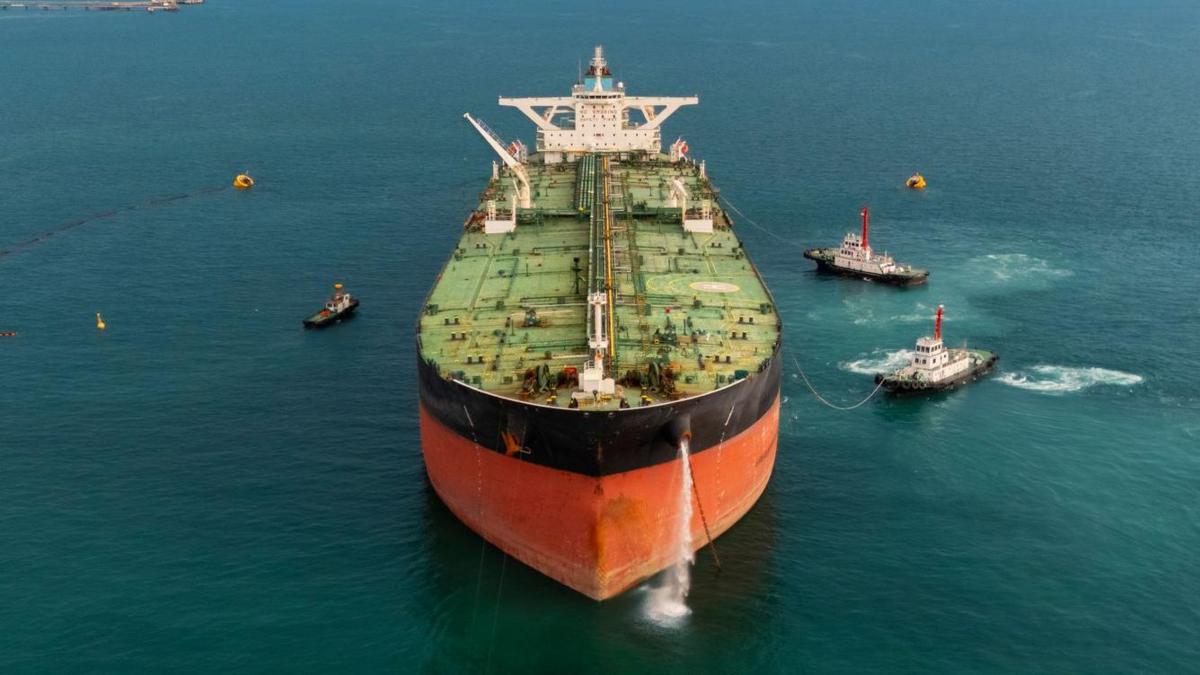
- Iran has blocked the Strait of Hormuz, reducing daily tanker traffic to fewer than 10 vessels compared to over 100 before the war, according to ship-tracking firm Kpler.
- Houthi fighters in Yemen have launched a series of attacks on Saudi tankers in the Red Sea, declaring a blockade on Saudi Red Sea ports on 20 July and expanding the region’s high-risk zone.
- Kpler analyst Matthew Wright stated the current threat to crude oil trade is the worst since the crisis began, with alternative routes now compromised and transponder 'going dark' becoming common practice.
- Intertanko managing director Tim Wilkins warned the shipping industry faces a broadening and deteriorating security situation, with risks now extending into Saudi waters and the Bab el-Mandeb strait.
- Hapag-Lloyd confirmed some of its vessels continue Red Sea transits but emphasized it will adjust routes if conditions change, reflecting cautious industry-wide navigation strategies.
- Oil prices fell 7.3% to $81.55 a barrel following Trump’s announcement of potential talks with Iran, despite no confirmed deal to reopen the Strait of Hormuz or de-escalate hostilities.
Why it matters: Global oil transport is now bottlenecked through increasingly dangerous corridors, with tanker traffic at less than 10% of pre-war levels through Hormuz and Red Sea attacks mounting. The drop in oil prices after Trump’s comments shows markets are reacting to diplomatic signals, not improved security—meaning stability remains fragile and any breakdown in talks could trigger immediate price volatility and supply delays.
Ask SkimNews