Australia ends uranium stalemate with India — SkimNews

Get the Geopolitics newsletter
Daily geopolitics — wars, elections, sanctions, the diplomatic moves that move markets. Free.
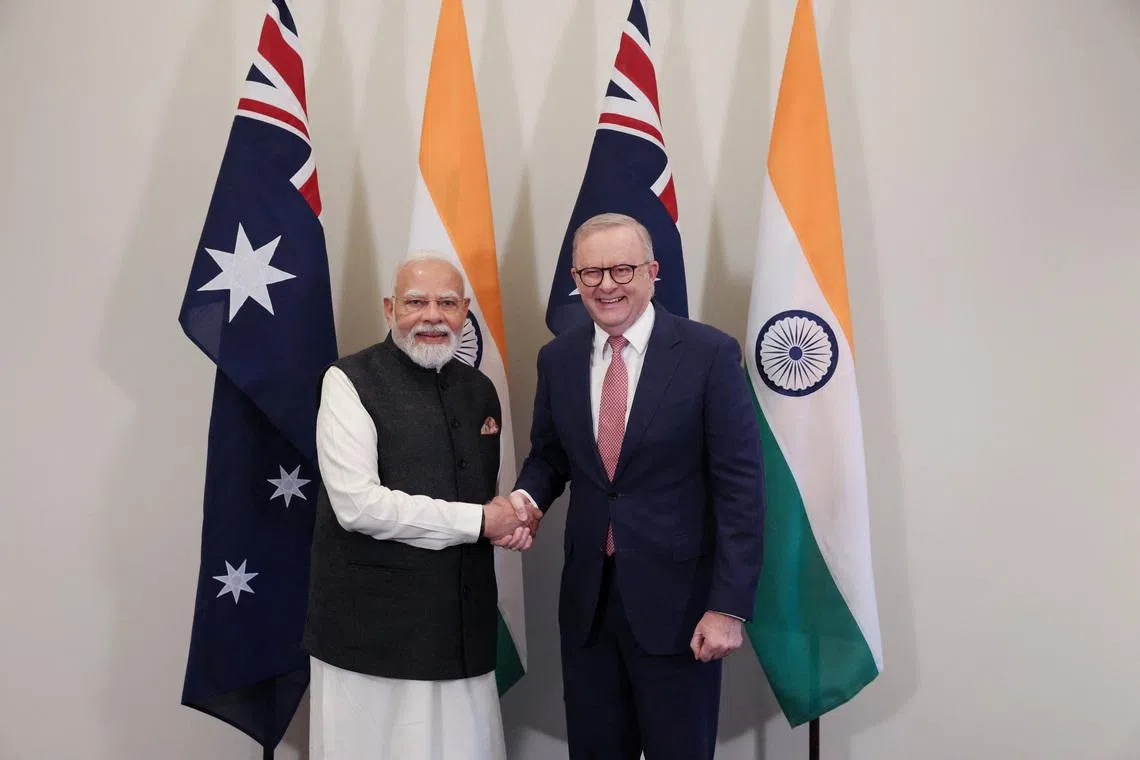
- Australia and India signed a uranium export agreement in Melbourne, with PM Modi calling it an "important agreement" on nuclear energy after talks with counterpart Anthony Albanese
- The arrangement covers "exclusively peaceful purposes" under IAEA safeguards and supports India's target of 100 gigawatts of nuclear energy capacity by 2047; Australia holds roughly 28% of global uranium supply
- A 2014 nuclear cooperation agreement between the two countries yielded only limited uranium exports because Australia feared the material could be diverted to weapons
- Modi and Albanese also agreed to strengthen defense cooperation, bolster critical minerals supply chains, and build a "temporary space tracking terminal" on Australia's Cocos Keeling Islands to support Indian space flight projects
- India is Australia's fifth-largest trading partner, with two-way goods and services trade valued at A$54.4 billion (US$37.7bn) in the 2024-2025 financial year
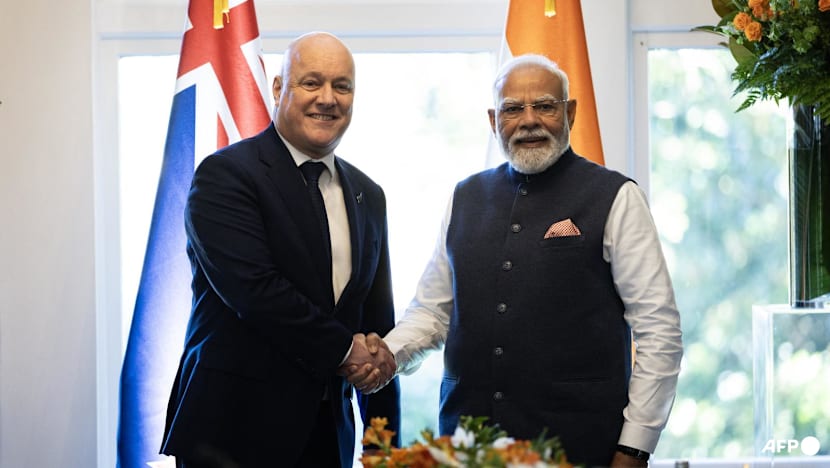
- Modi arrived from Indonesia, where he signed agriculture and defense deals, and is scheduled to travel to New Zealand on Friday before returning to India
Why it matters: Australia holds roughly 28% of global uranium reserves but had blocked meaningful exports to India since a 2014 cooperation pact over weapons-proliferation fears; this deal unlocks supply for India's 100 GW nuclear target while Canberra simultaneously works to diversify trade beyond its reliance on top partner China. India gains a long-term fuel source for clean-energy expansion; Australia deepens ties with a fifth-ranked partner worth A$54.4 billion in two-way trade.
Ask SkimNews