74 Oakland school buses power 1,000 homes via V2G — SkimNews

Get the Energy newsletter
Daily energy & climate — solar, EVs, oil, the policy fights and tech bets shaping the transition. Free.
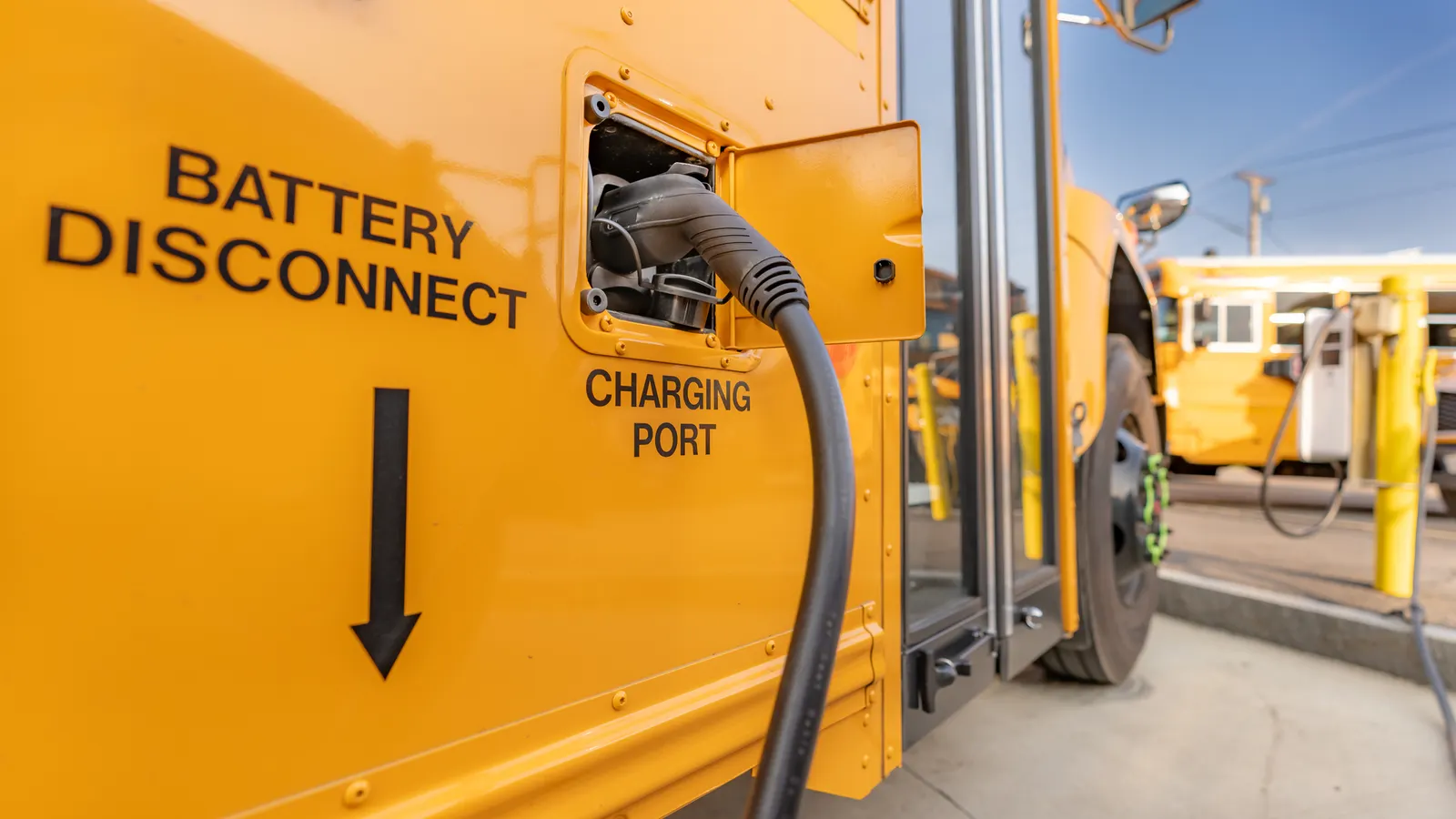
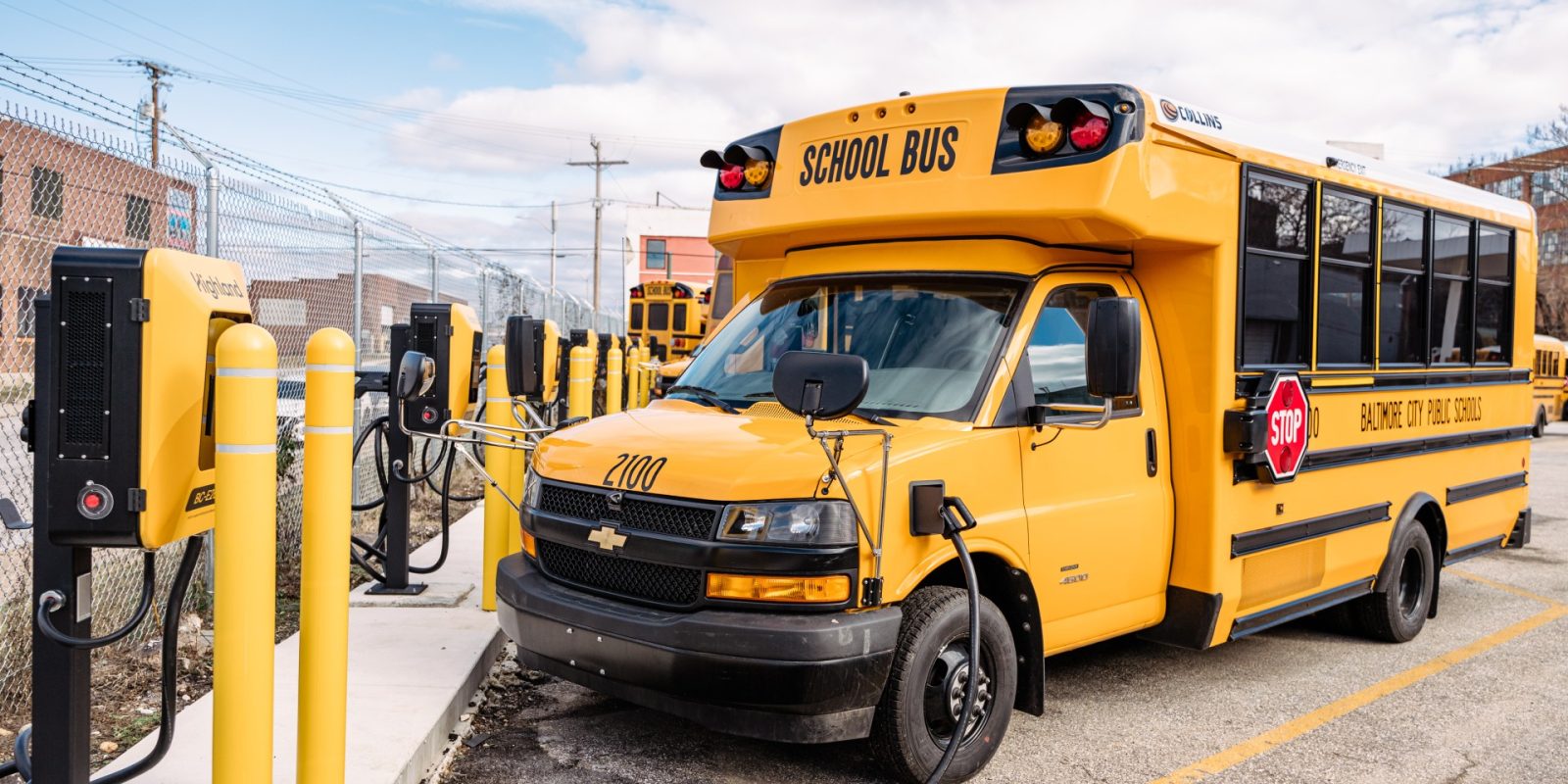
- Tellus Power's V2G chargers power a fleet of 74 Oakland school buses that collectively store 11.5 MWh and discharge at 2 MW — enough to run about 1,000 homes averaging 2 kW of evening draw.
- Over two years the Oakland fleet returned 1.7 GWh to the grid with over 99.5% uptime, delivering hundreds of thousands of dollars worth of electricity via energy arbitrage — buying cheap overnight power and selling it back at peak rates.
- The buses charge overnight, use only 20–40% of their battery during the school day, then plug in after dismissal to feed the late-afternoon demand spike when Californians turn on AC, lights, and stoves — effectively acting as a small, distributed peaker plant.
- Tellus Power says V2G fleet depots can be deployed in months versus the years needed to build traditional power plants, and its chargers don't require large on-site transformers, which the source flags as a key differentiator from competitors.
- Tellus's V2G pipeline beyond Oakland includes 4 school buses in Burlington, VT; 2 city-bus chargers for Lynch Bus Lines in Burnaby, British Columbia; a 3-site ComEd pilot in Illinois; and 104 school buses scaling to 238 in San Francisco.
- The California Energy Commission estimates broad V2H adoption could save homeowners hundreds of dollars per summer and cut statewide peak demand by up to 5 GW.
Why it matters: For school districts and fleet operators, V2G turns idling buses into revenue generators by arbitraging cheap overnight power against expensive peak rates. The Oakland data — 99.5%+ uptime over two years and 1.7 GWh returned — demonstrates that a V2G depot can function as a reliable, months-deployable alternative to traditional peaker plants that take years to build.
Ask SkimNews