Utilities, schools see growing value in electric buses for virtual power plants — SkimNews
Get the Energy newsletter
Daily energy & climate — solar, EVs, oil, the policy fights and tech bets shaping the transition. Free.
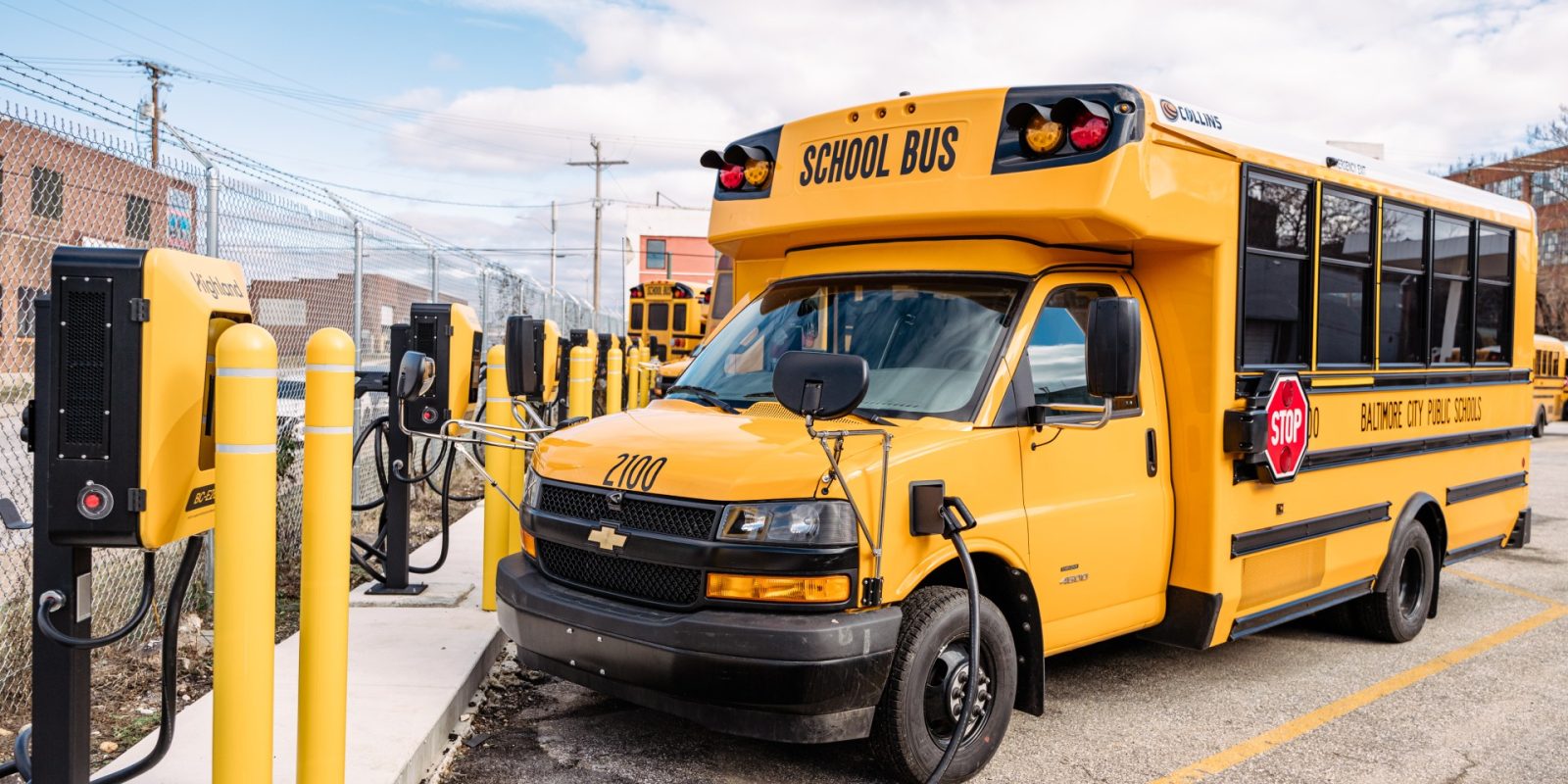
- National Grid paid Beverly Public Schools nearly $12,000 per season in 2021 and 2022 for a single electric school bus that discharged about 10.8 MWh into the suburban Boston grid through its ConnectedSolutions virtual power plant program.
- Zum operates a 74-bus fleet for Oakland public schools — the largest V2G school bus deployment — supplying 2.1 GWh of annual discharge to PG&E, with most revenue flowing through the utility's Emergency Load Reduction Program.
- Zum plans to deploy 238 electric school buses across three San Francisco depots over the next two school years, which PG&E says will be the largest electric school bus fleet in the country.
- Highland Electric Fleets CEO Duncan McIntyre cautioned that realistic per-bus earnings are closer to $6,000 per year, not $12,000, and said districts should budget more for bidirectional-capable chargers and software integration.
- Boston Public Schools is using a $35 million federal grant to add more than 100 electric buses to its existing fleet of about 40, targeting full student-transportation electrification by 2030, with 10 chargers enrolled in MassCEC's V2G program.
- Highland Electric Fleets is expanding into vertically integrated utility territory — two Georgia districts are participating even though Georgia Power has no wholesale market — by trading upfront capital offsets for multi-year summer load-shifting commitments.
- Dominion Energy and EPRI found in a multi-year Virginia demonstration that low 12-volt battery state of charge sometimes prevented buses from engaging with bidirectional chargers, an issue EPRI called a likely vendor-specific design hurdle now potentially resolved.
Why it matters: Districts face a steep price premium to electrify school bus fleets, but V2G revenue — even at Highland's more conservative $6,000-per-bus estimate — can meaningfully offset that gap while giving utilities a distributed, dispatchable resource to keep grids out of brownouts and blackouts during the 4–11 p.m. evening peak when buses sit idle anyway.
Ask SkimNews