Why plugging in all those EVs could actually save the power grid — SkimNews
Get the Energy newsletter
Daily energy & climate — solar, EVs, oil, the policy fights and tech bets shaping the transition. Free.
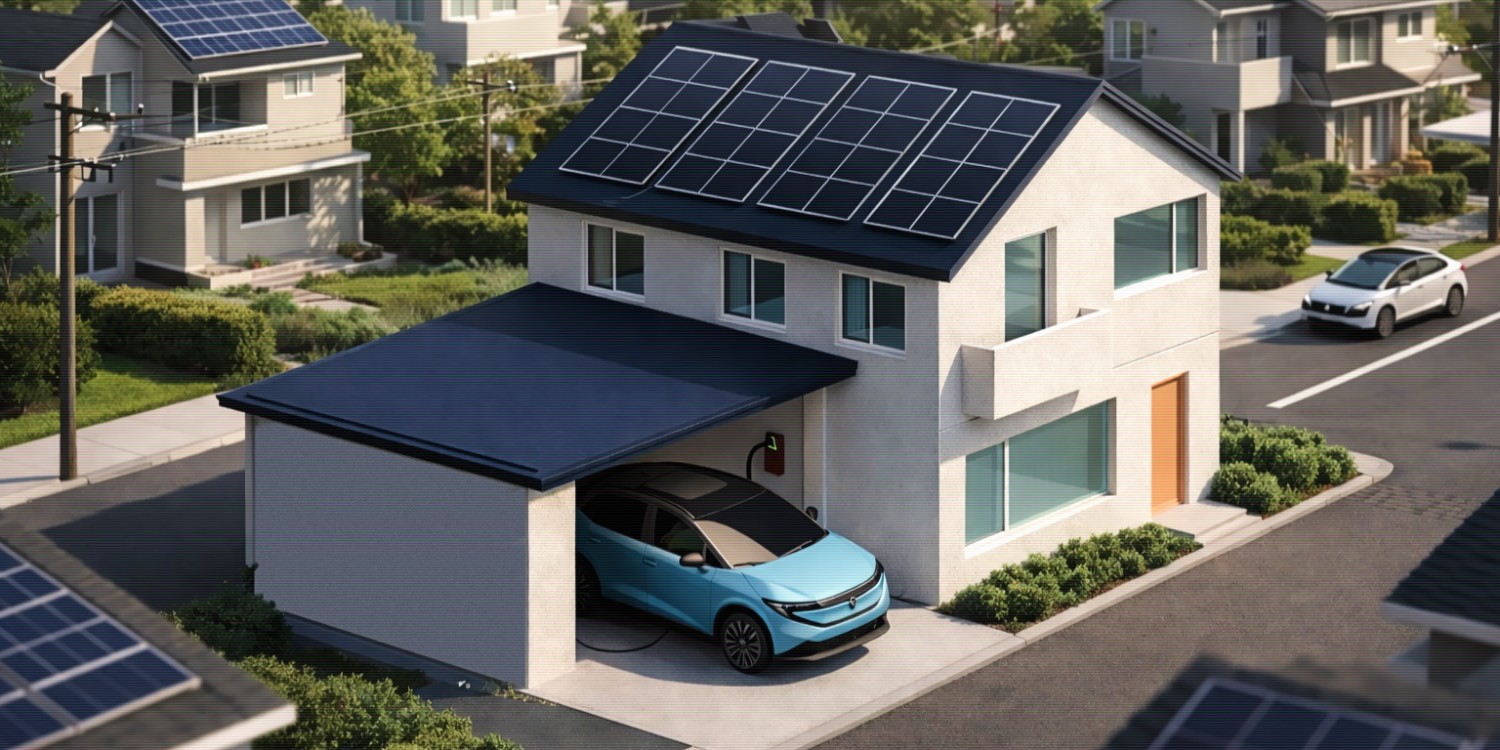
- California battery storage capacity grew 2,100% between 2019 and 2025 as the state scrambles to store intermittent solar and wind power for evenings and calm days
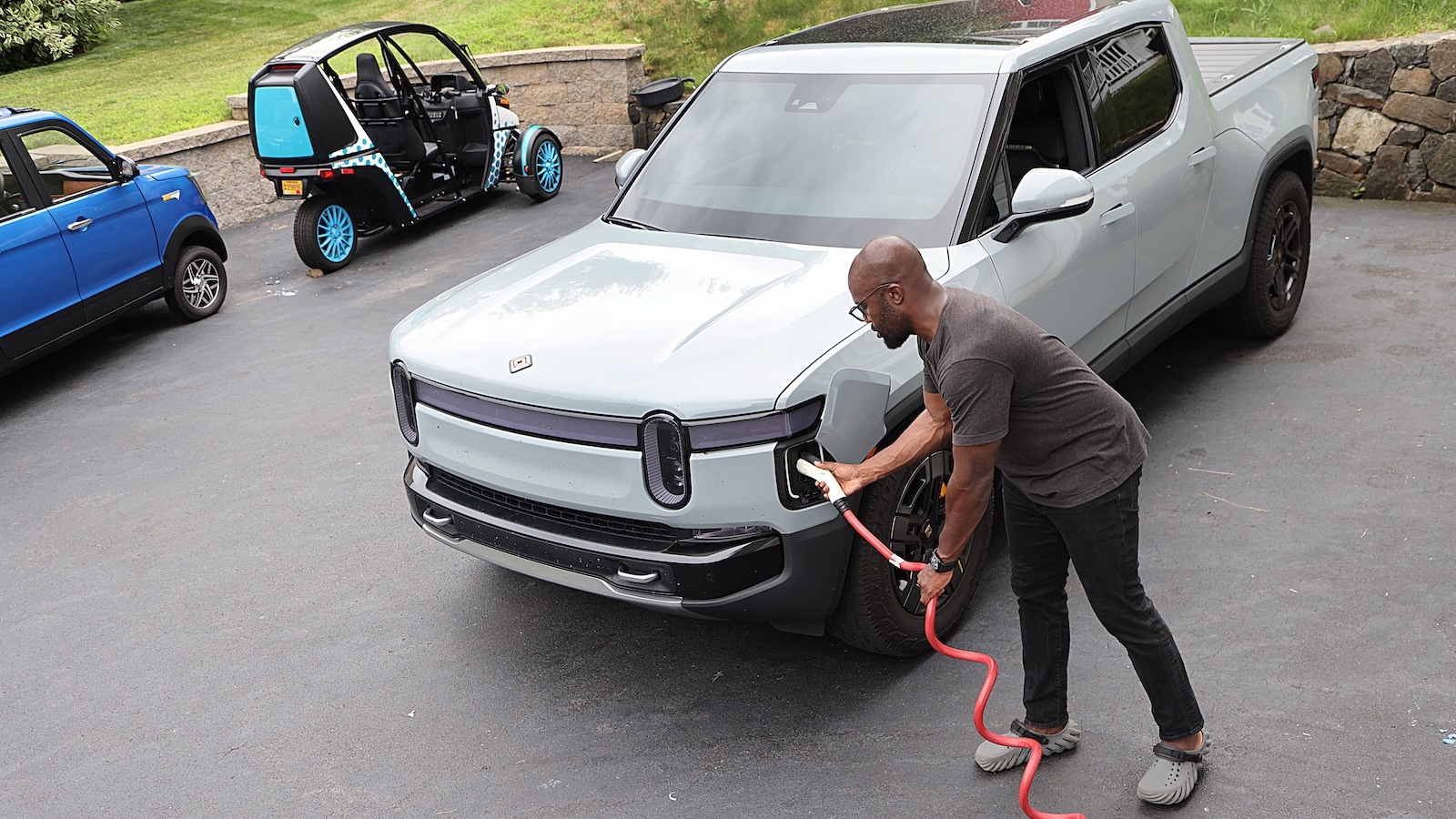
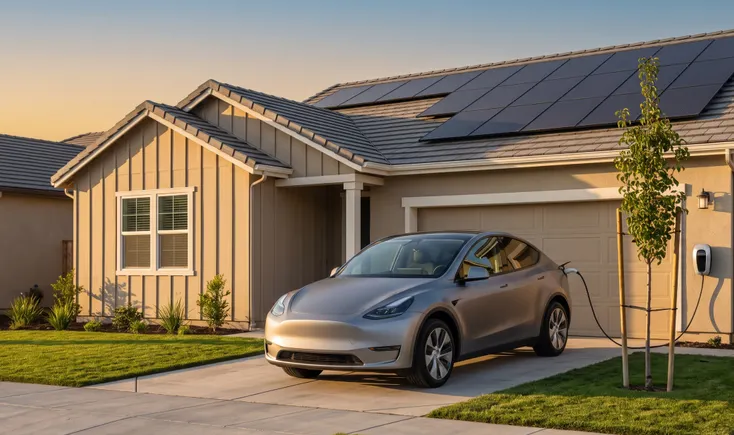
- A report by Kevala, GridLab, and E3 concludes that if just 10% of California EV owners enroll in vehicle-to-grid (V2G) programs by 2036, their vehicles would deliver one-third of the state's targeted long-duration energy storage
- Pete Skala, vice president of professional and advisory services at Kevala, said V2G would reduce the need for expensive grid-scale battery purchases without requiring huge participation
- V2G is meant to work alongside demand response programs like remotely adjusted smart thermostats that raise AC setpoints a few degrees during heat waves, blunting the late-afternoon spike when solar fades as people come home
- EV owners participating in V2G programs could specify the times they need their car fully charged, so the grid would not drain their battery
- Grids nationwide face growing strain from electrification of stoves, heaters, and cars, plus energy-hungry data centers and rising AC demand — the same hours when rooftop solar output drops
- The core challenge, per the report, is setting compensation for V2G participation high enough to incentivize enrollment but low enough that it does not erase the savings versus building more utility-scale batteries
Why it matters: For California ratepayers, a well-calibrated V2G incentive could let utilities skip billions in new battery-farm spending and hold the line on rate hikes — the report's central tension is that overpaying participants would wipe out the cost advantage over grid-scale storage, so Skala's framing makes the compensation level itself the policy battleground.
Ask SkimNews