V2G could deliver 15 times more value than one-way managed EV charging: report — SkimNews
Get the Energy newsletter
Daily energy & climate — solar, EVs, oil, the policy fights and tech bets shaping the transition. Free.
- E3 found in a GM-commissioned study that vehicle-to-grid integration could deliver 5-15 times more value per EV than one-way managed charging, with nationwide V2G potential reaching ~$7 billion by 2030.
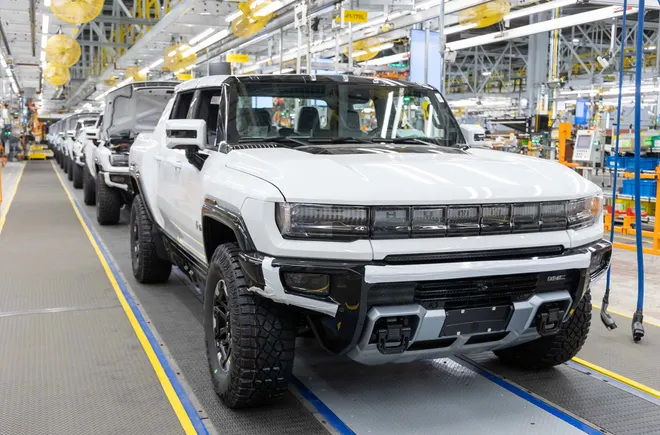
- GM has 250,000 bidirectional-capable vehicles on the road already and has committed to V2G technology for all planned EVs going forward.
- PG&E will host ~52,000 of GM's bidirectional EVs balancing its northern California grid by 2030, roughly 40% of GM's fleet in that utility's territory.
- Average per-vehicle V2G value in constrained regions like CAISO, NYISO, ERCOT, and MISO ranges from $2,200-$2,750 annually, while one-way managed charging tops out around $400 in the best markets.
- GM released an open letter urging utilities to boost V2G enrollment, modernize tariffs and rate structures, and streamline procurement and permitting of bidirectional chargers.
Why it matters: Even V2G's lowest-value region, the Southeast at ~$700 per vehicle per year, outperforms the best one-way managed charging markets at ~$400 per vehicle per year in MISO, ERCOT, and the Pacific Northwest, per E3. For utilities like PG&E serving constrained grids, deploying GM's existing 250,000 bidirectional-capable fleet offers a concrete lever on avoided transmission and distribution investment, while GM pressures utilities to dismantle pilot rules and retail export barriers now blocking that value.
Ask SkimNews