Massachusetts Coalition Launches Vehicle-to-Grid EV Pilot — SkimNews
Get the Energy newsletter
Daily energy & climate — solar, EVs, oil, the policy fights and tech bets shaping the transition. Free.
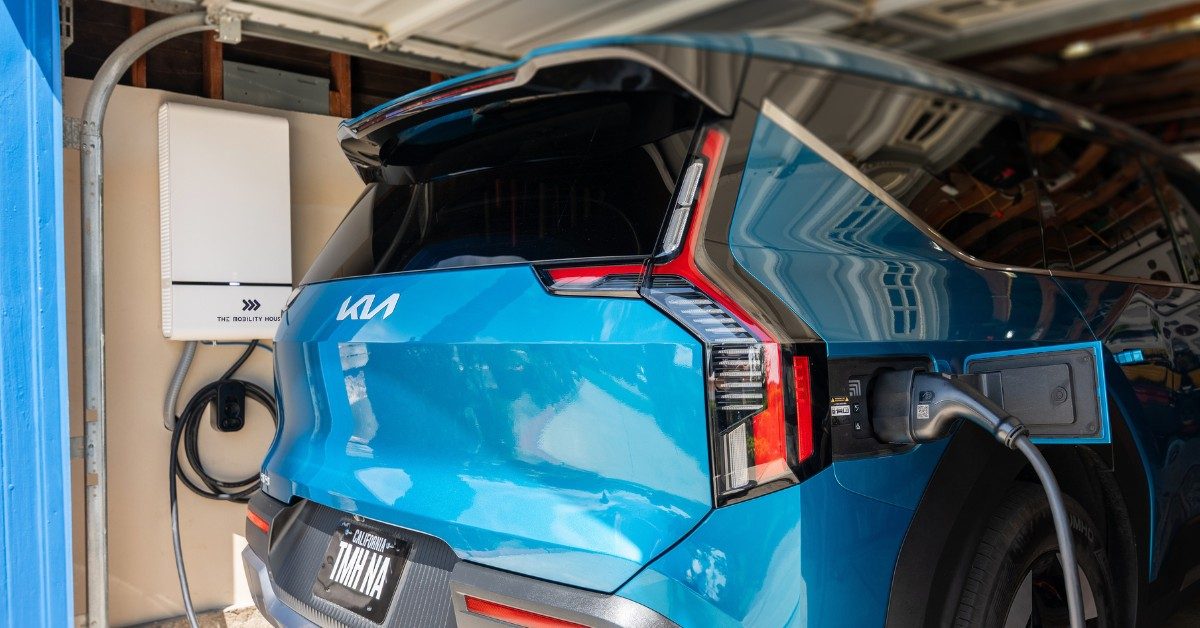
- Eversource, National Grid, EnergyHub, Sunrun, and the Mobility House launched a vehicle-to-grid pilot in Massachusetts, hooking participants into the existing ConnectedSolutions program so EV batteries can be tapped during "demand response" events.
- Russell Vare, vice president of vehicle-grid integration at Mobility House, called V2G "the cheapest cost of flexible energy storage that will be available for the grid," noting discharge events typically fire only a small number of hours per year.
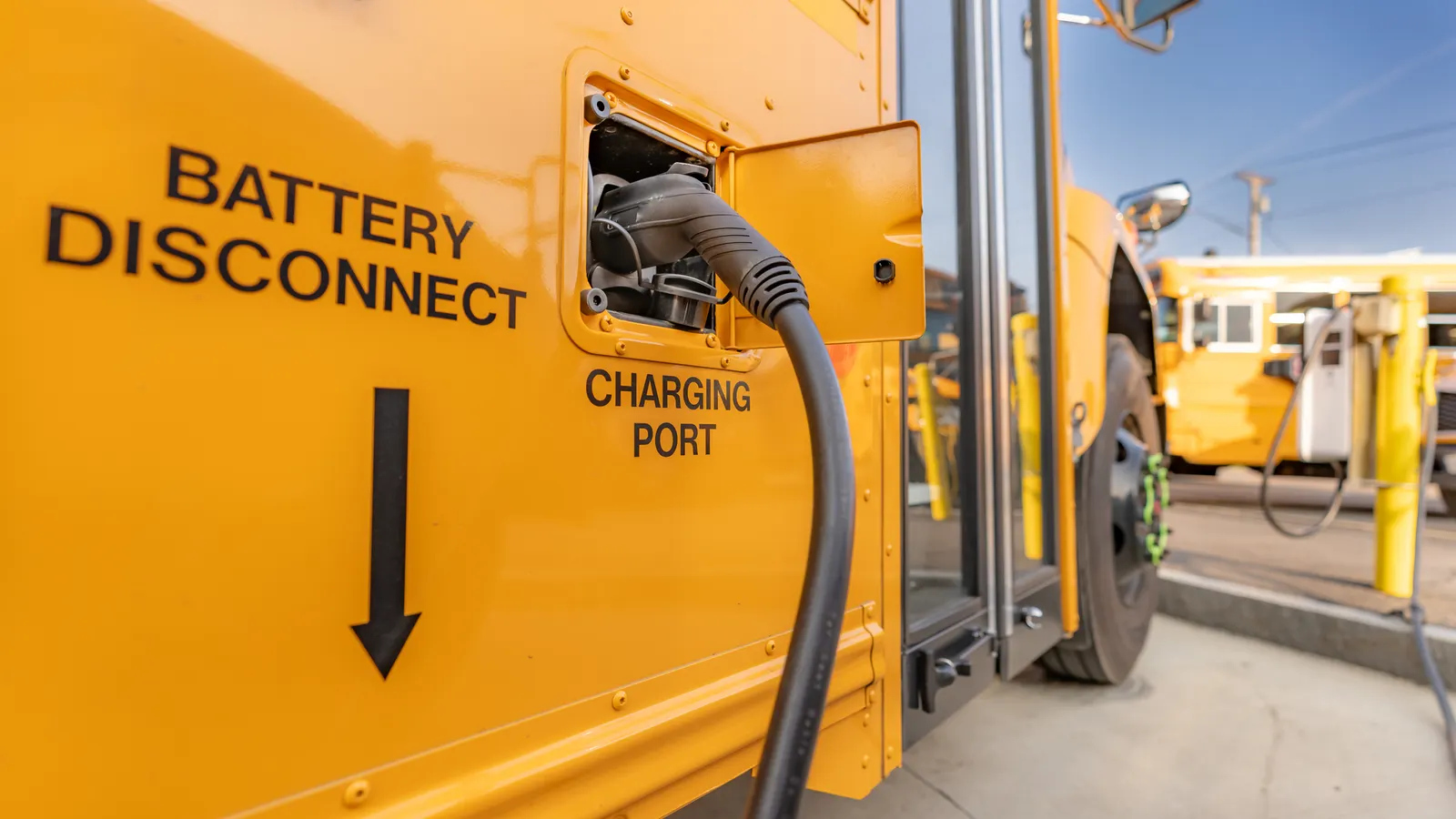
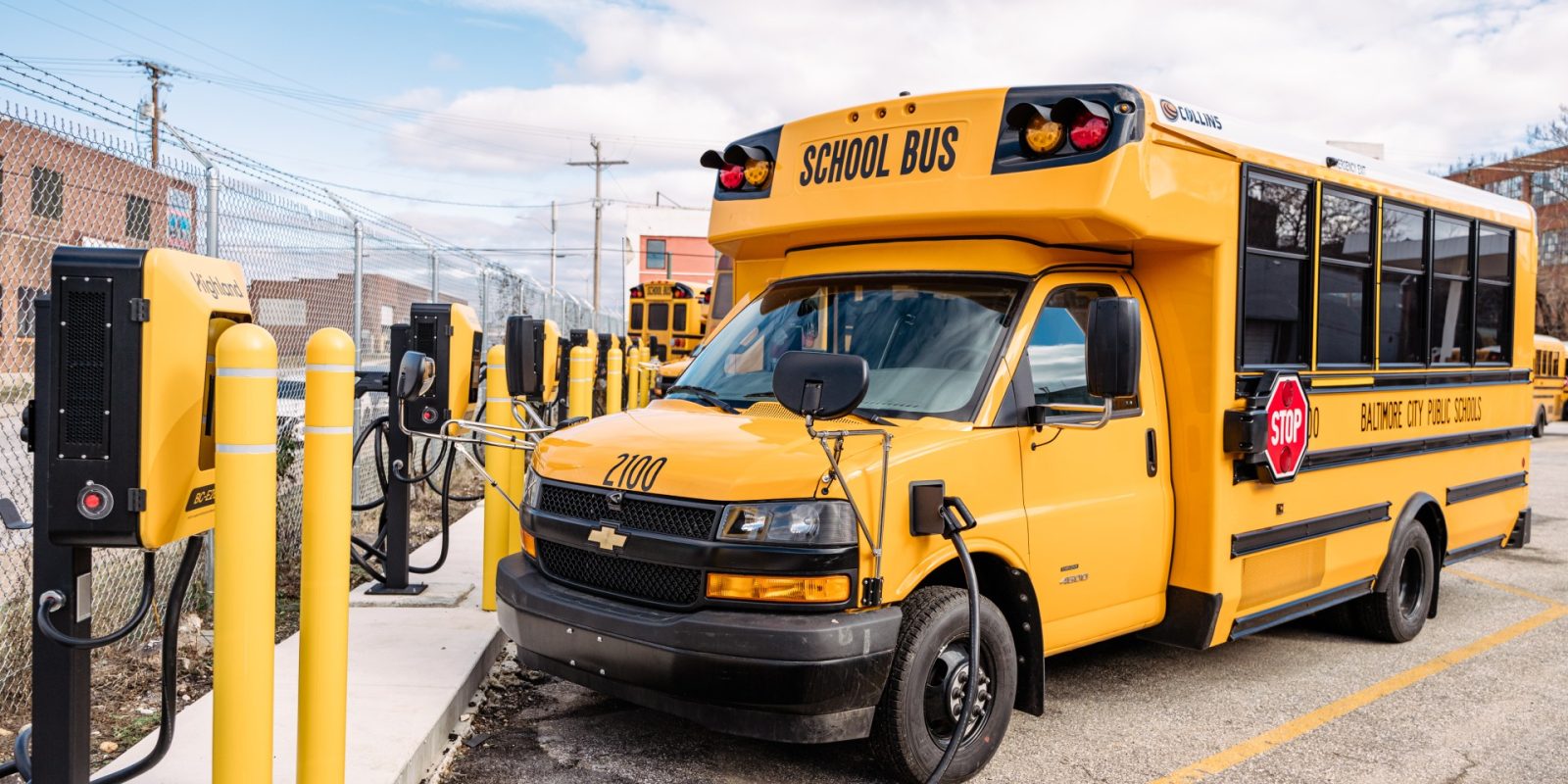
- A typical EV battery holds roughly six times the capacity of a standard home backup unit, and school buses and municipal fleets are especially useful because they follow predictable schedules, according to the article.
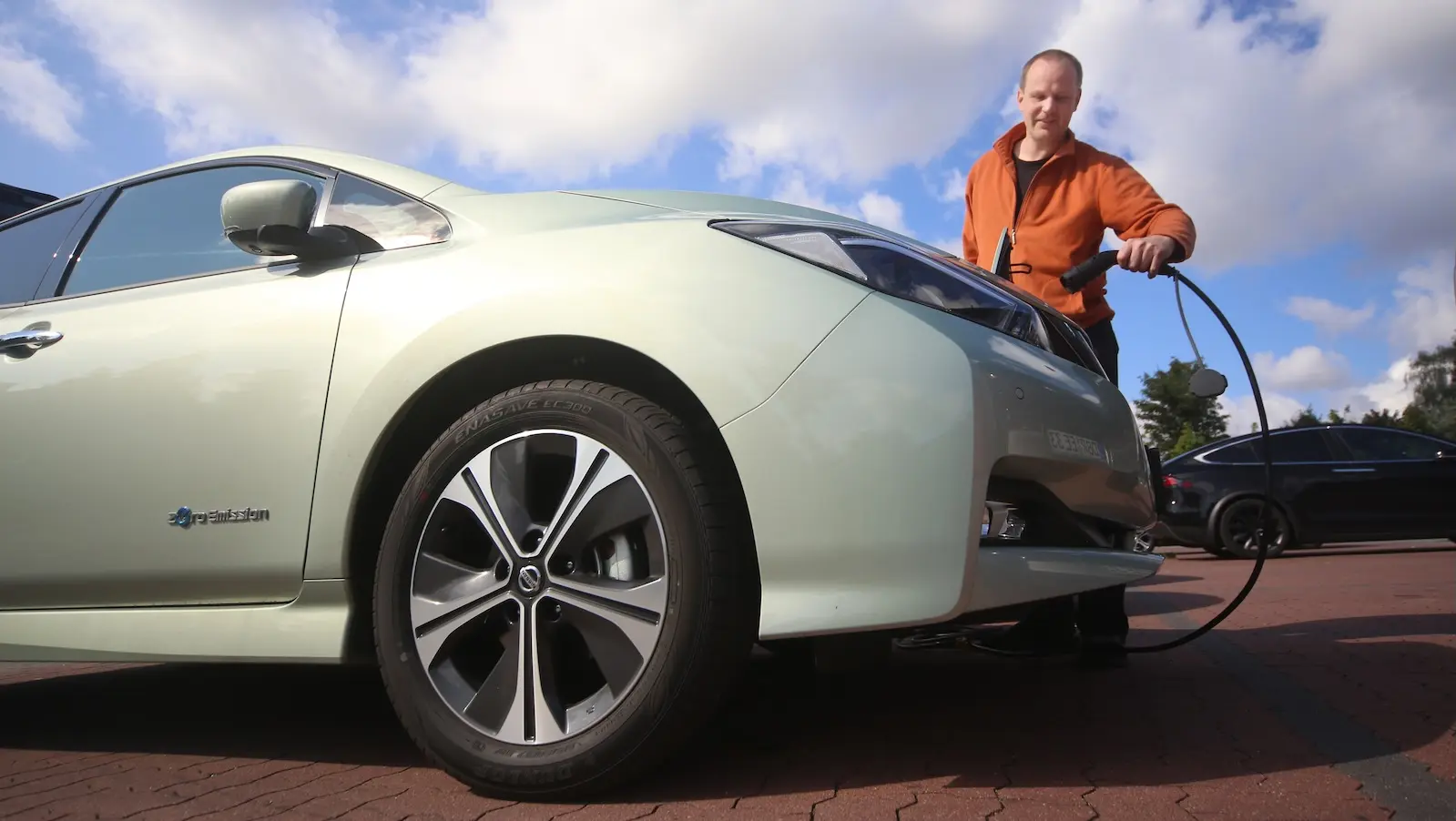
- Nissan Leaf EVs already ship V2G-equipped, and EnergyHub president Seth Frader-Thompson said bidirectional chargers and supporting standards will get cheaper and more accessible over the next several years.
- The pilot pairs V2G with active managed charging, staggering overnight recharging so EVs aren't all juicing up at 10 p.m. and spiking demand on the grid.
- Chip Silverman of Sunrun said the "magic" is aggregation: only a fraction of EV owners need to participate for the fleet to function as a large virtual power plant, with each individual battery drawing less.
- Utilities are pursuing the tech to manage surging demand from data centers, EV adoption, and heat pumps while replacing fossil baseload with intermittent wind and solar.
Why it matters: Massachusetts EV owners now have a new revenue stream: utilities will pay them to discharge their car batteries during peak-demand events. For everyone else, the pilot tests whether aggregated EV batteries can become the cheapest flexible storage on the grid — easing the transition off gas and coal without building as many new battery facilities or transmission lines, and potentially lowering retail electricity costs.
Ask SkimNews