Korean Peninsula Hypersonic Missile Race Accelerates — SkimNews
Get the Geopolitics newsletter
Daily geopolitics — wars, elections, sanctions, the diplomatic moves that move markets. Free.
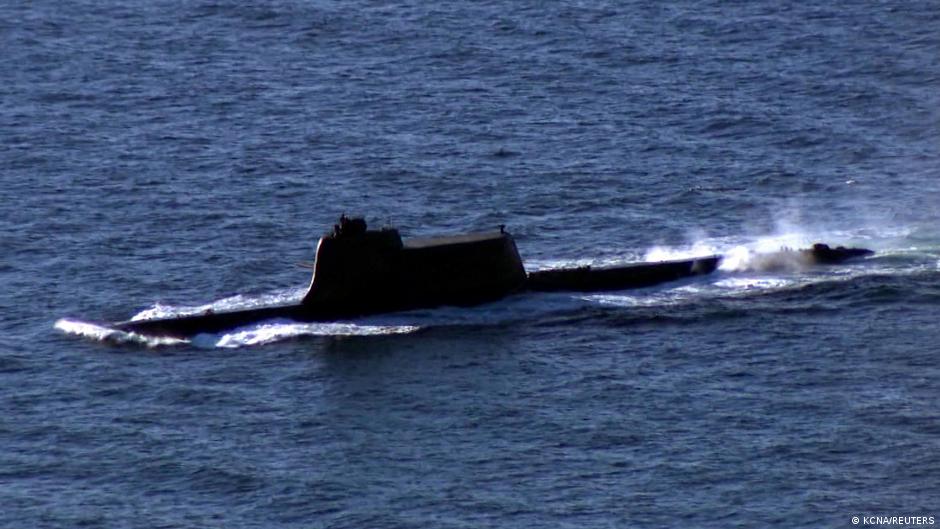
- North Korea announced it tested two types of submarine-launched cruise missiles off its east coast on Wednesday, a day after leader Kim Jong Un visited a new defense industry museum where he admired an ICBM reportedly capable of reaching the continental United States.
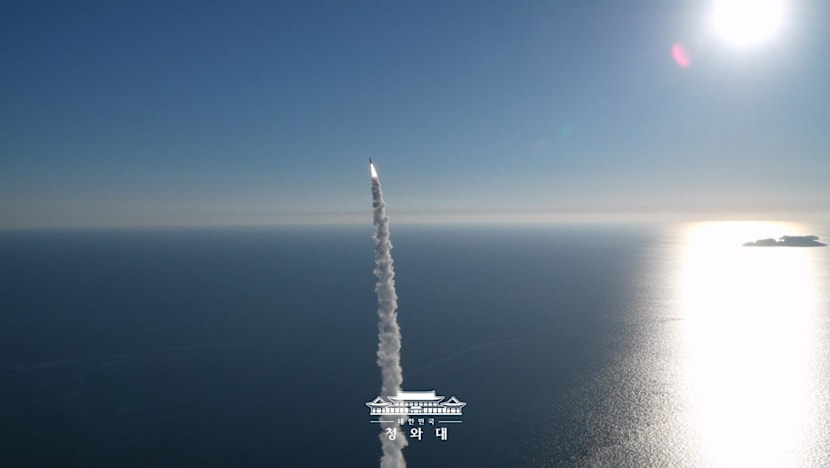
- South Korean President Lee Jae-myung observed the test launch of South Korea's first domestically developed hypersonic missile five days earlier, per state-aligned Korean Central News Agency reporting.
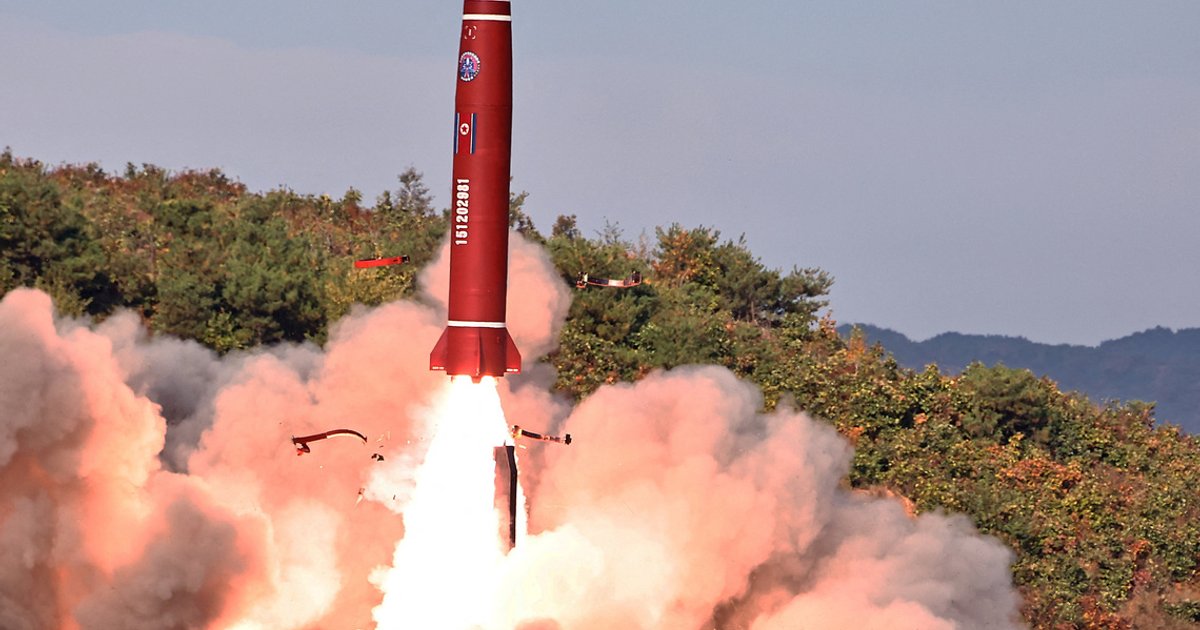
- Pyongyang's earlier October 3 test of what it called a hypersonic intermediate-range missile traveled 350 kilometers before striking its target, according to KCNA.
- Hypersonic missiles travel at Mach 5 or faster (over 6,100 km/h) and can change course mid-flight, making them far harder to identify, track, and intercept than previous-generation weapons carrying conventional or nuclear warheads.
- Chris Green, senior Korean Peninsula adviser at the International Crisis Group, called hypersonic weapons the "latest manifestation" of a long-running arms race, noting the South prioritized the tech as the North deepened military and economic ties with Russia.
- Retired South Korean General Chun In-bum said Pyongyang likely acquired the enabling technology through "illegal means," including snooping on firms in the US, South Korea, and Japan, and conceded there is "no good answer right now" on how to neutralize the threat.
- Green said the new systems on both sides are not a "game changer," but warned that mass North Korean deployment would force "very difficult questions" about expanded missile defense in South Korea and Japan.
Why it matters: Both Koreas are pursuing hypersonic weapons as conventional strike options that sidestep nuclear escalation thresholds — South Korea racing to match a North backed by deepening Russian military ties, and Pyongyang building non-nuclear weapons to avoid triggering US nuclear retaliation. Analysts warn that mass deployment of harder-to-intercept hypersonic missiles would force South Korea and Japan into costly missile defense expansion at a moment of already-heightened regional tension. The result is a quieter but more dangerous phase of a decades-old arms race.
Ask SkimNews