China defends military buildup as force for world peace — SkimNews
Get the Geopolitics newsletter
Daily geopolitics — wars, elections, sanctions, the diplomatic moves that move markets. Free.
- Foreign Ministry spokesman Lin Jian told reporters on June 15 that "the growth of China's military strength represents an increase in the forces for world peace," rejecting the Lowy Institute's report as a "serious strategic misjudgment."
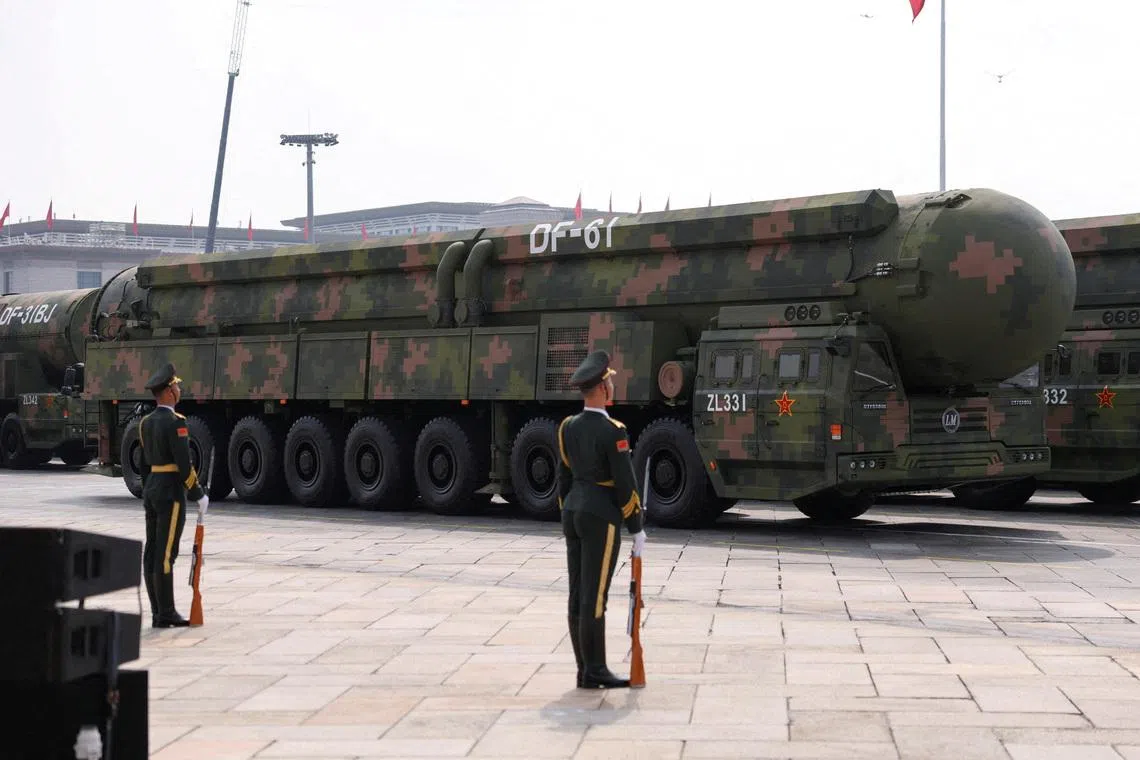
- The Lowy Institute reported on June 14 that China is capable of a direct missile strike on Australia and that the threat is growing as Beijing amasses long-range and hypersonic weapons and builds islands in the South China Sea.
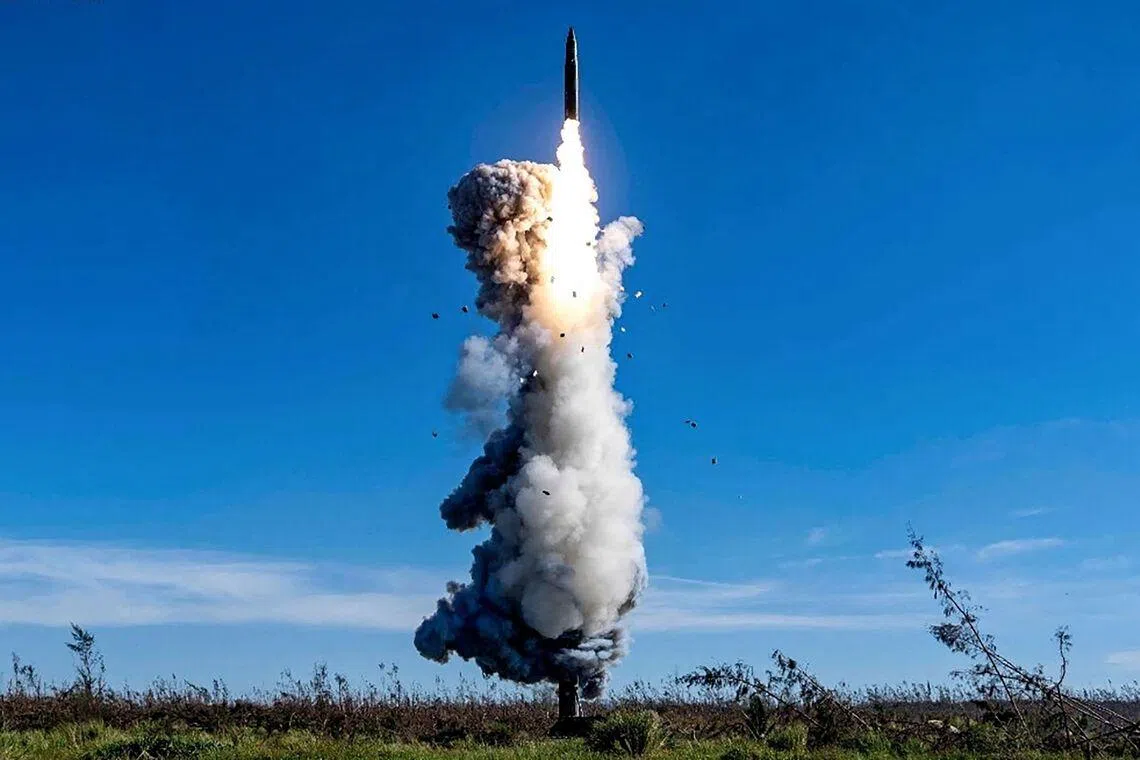
- The report identified the DF-27 intermediate-range ballistic missile — with a 5,000–8,000 km range per the US military — and a potentially conventionally armed ICBM as threats whose service numbers will grow over the next decade.
- Lin said China's military development "is not directed at any specific country" and urged institutions to "stop hyping up the so-called China threat," reaffirming Beijing's commitment to "a path of peaceful development."
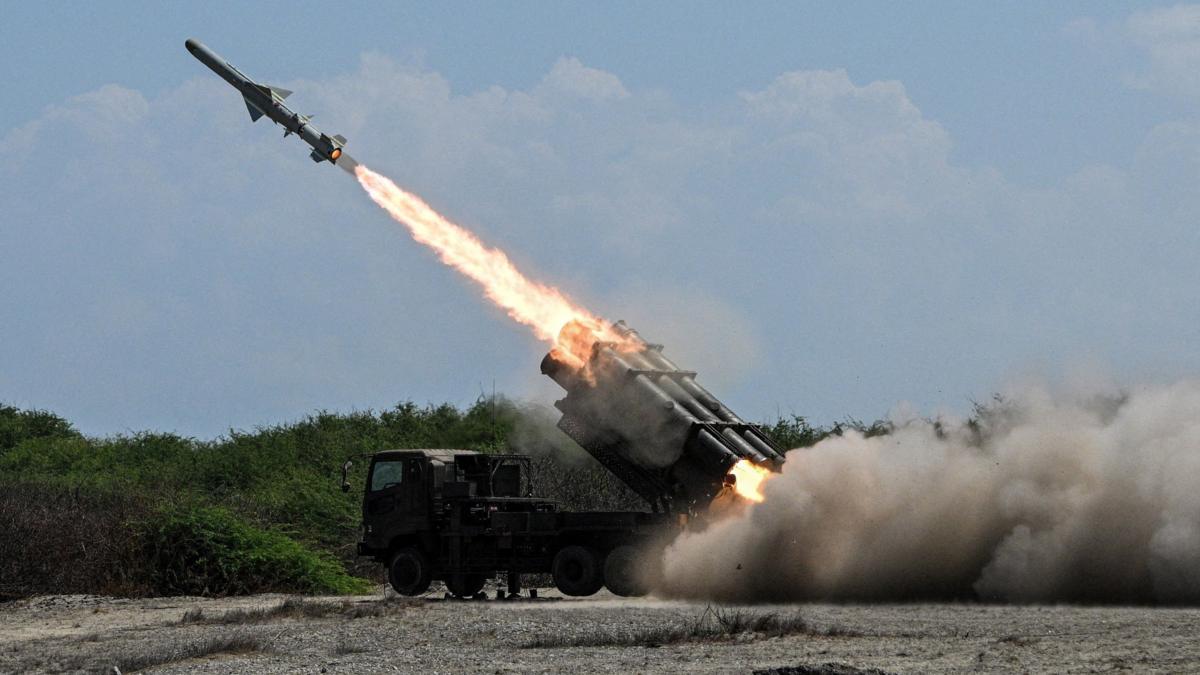
- The Lowy report said the main threat would come from Chinese missiles launched from ships, submarines, and the DF-27, and stressed it was assessing Beijing's capability, not its intentions.
- Australia reshaped its military strategy three years ago in response to China's rapid navy build-up, pivoting to deter an adversary from its northern approaches.
Why it matters: Beijing's blanket dismissal of the Lowy assessment — combined with Lin's claim that military growth aids world peace — sets the rhetorical stage as Australia and the broader Indo-Pacific region face an expanding Chinese missile arsenal. The Lowy report deliberately separated capability from intent, meaning Australia's threat picture is now driven by hardware ranges (DF-27 at up to 8,000 km) rather than by any single political decision in Beijing.
Ask SkimNews