AMI 2.0 Turns Smart Meters Into Grid-Edge Computers — SkimNews
Get the Energy newsletter
Daily energy & climate — solar, EVs, oil, the policy fights and tech bets shaping the transition. Free.
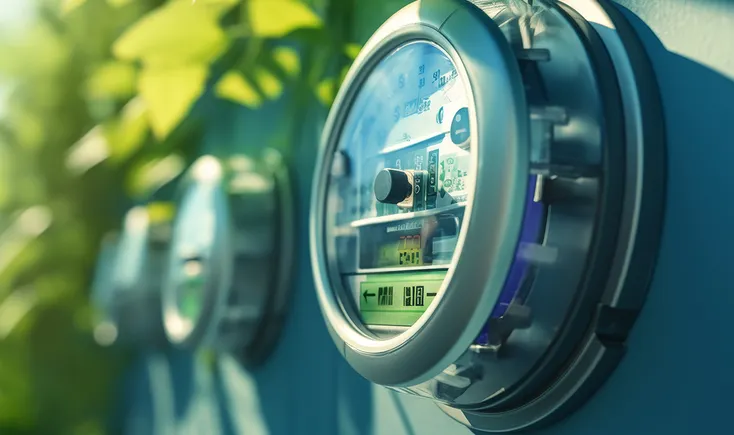
- AMI 2.0 transforms meters from fixed-function billing tools into dynamic, upgradeable grid-edge computers capable of running applications locally and receiving over-the-air updates throughout their lifespan
- U.S. advanced meter penetration grew from below 5% in 2008 to 38.1% by 2011 and over 72% by 2022, with uneven adoption — Texas and California above 80% residential and commercial penetration, parts of New England still in the low 30% range
- Utilities fall into three transition groups based on fleet age: early-deployment fleets now nearing end of life, mid-stage fleets with assets 5 to 10 years old, and limited-deployment fleets still on automated meter reading (AMR) or early AMI 1.0 systems
- The "double-dip" regulatory challenge prevents utilities from using benefits already captured under AMI 1.0 to justify AMI 2.0 capital expenditures — business cases must instead rest on "novel customer benefits" such as previously impossible use cases
- Priority AMI 2.0 use cases include distributed outage detection without waiting for customer calls, intelligent voltage monitoring, load disaggregation (identifying specific appliance signatures like heat pumps and pool pumps), and asset health monitoring via power-quality signatures
- Next-generation meters promise new life-safety capabilities including high-impedance detection, arc sensing, and broken-neutral detection that could identify hazardous conditions before they lead to fires or equipment damage
Why it matters: With first-wave smart meter fleets approaching retirement, utilities face a strategic fork: like-for-like replacement or a platform leap to distributed edge computing. The regulatory requirement to demonstrate novel — not previously captured — customer benefits means utilities with mature AMI 1.0 deployments have the hardest business cases to build, while limited-deployment utilities can move directly to advanced capabilities but still lack the operational foundation to capture value.
Ask SkimNews