Russia targets medics with FPV drones in Ukraine — SkimNews
Get the Geopolitics newsletter
Daily geopolitics — wars, elections, sanctions, the diplomatic moves that move markets. Free.
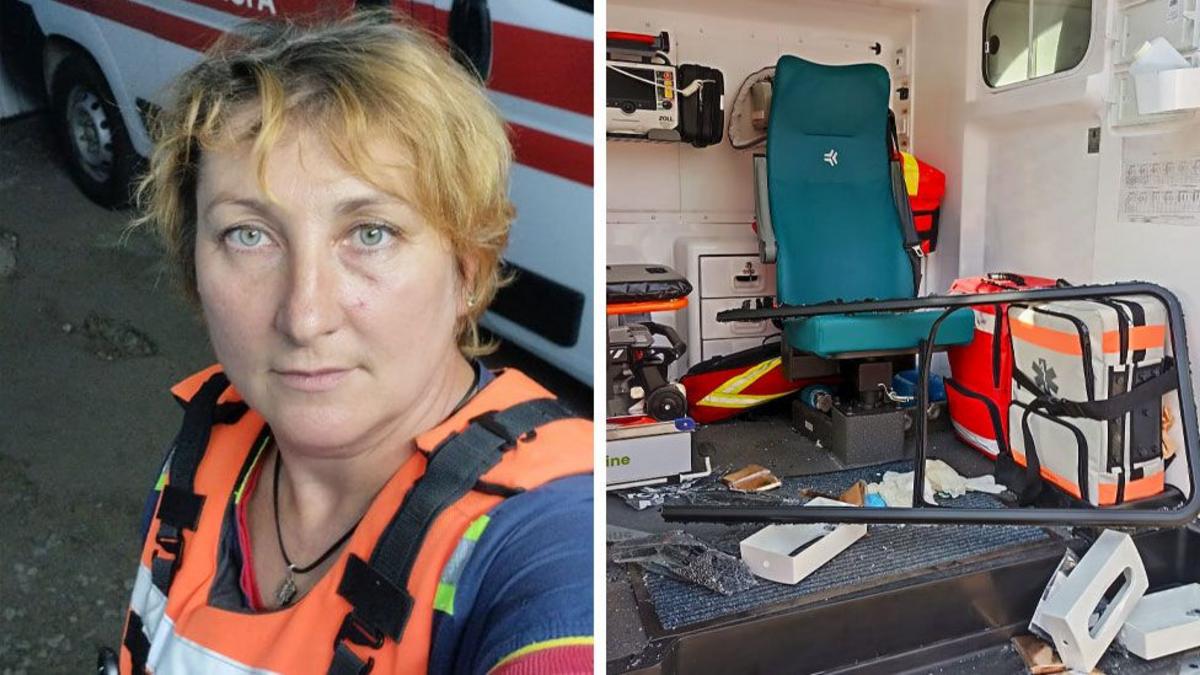
- Inna Lytvynenko fled an FPV drone attack while treating a patient in Kherson, describing the 10-minute pursuit as 'safari hunting' after the drone struck her clearly marked ambulance.
- WHO has recorded 3,118 attacks on healthcare in Ukraine since February 2022 — averaging two per day — with a 30% increase in 2024 and another 20% rise in 2025.
- Doctors Without Borders (MSF) reports that Russian attacks on medical facilities are systematic and deliberate, noting a pattern of sustained strikes rather than isolated incidents during offensives.
- Olena Tymoshenko, hospital director in Kherson, stated three missiles hit her facility within minutes, calling it a targeted strike, not an accident, after one doctor was killed.
- Robin Meldrum of MSF emphasized that FPV drone strikes on ambulances are intentional, as operators see live video feeds and can identify medical markings before impact.
- Volodymyr Zelenskyy called for greater pressure on Russia after recent 'hunting attacks' on medics, citing the use of 'double-tap' tactics to target first responders at initial strike sites.
Why it matters: At least 20% of healthcare attacks in Ukraine involve ambulances, indicating a calculated erosion of medical access near frontlines. With mobile clinics now operating 30km from combat zones — up from 5–8km two years ago — elderly civilians with chronic conditions face worsening care gaps, and aid groups report they no longer feel protected under wartime rules.
Ask SkimNews