Iran Rejects 45-Day Ceasefire; Trump Sets Bombing Deadline — SkimNews
SkimNews Take
By countering with a permanent ceasefire proposal rather than complying, Iran reframes a chokepoint dispute into a broader negotiation — while threats to civilian infrastructure hand Tehran a built-in legal narrative regardless of how the deadline resolves.
Get the Geopolitics newsletter
Daily geopolitics — wars, elections, sanctions, the diplomatic moves that move markets. Free.
- Iran rejected a U.S. proposal for a 45-day ceasefire and countered with a demand for a permanent end to the war—including lifting sanctions and ending other regional conflicts—conveyed through mediating country Pakistan, whose efforts are joined by Egypt and Turkey
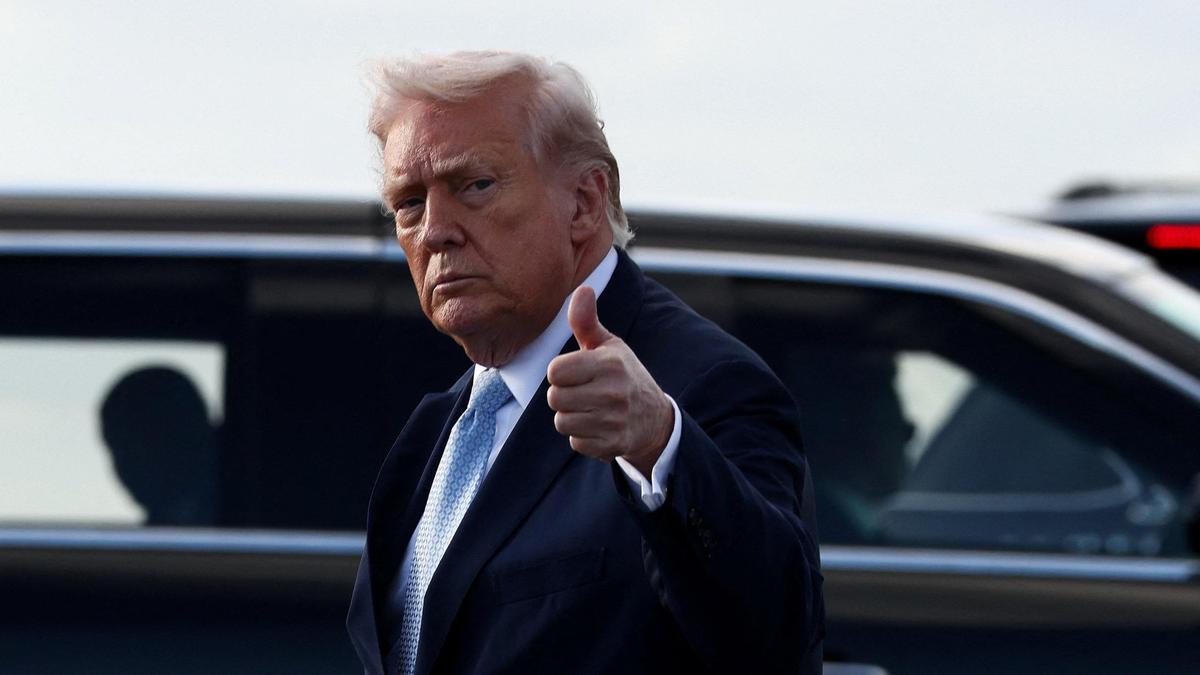
- President Trump issued a Tuesday 8 p.m. ET deadline threatening to bomb Iranian bridges and power plants if the Strait of Hormuz isn't reopened, telling reporters 'I hope I don't have to do it' when asked about committing a war crime, a charge legal experts confirmed attacking non-military civilian infrastructure would meet
- Israel killed Maj. Gen. Majid Khademi, intelligence chief of Iran's Revolutionary Guard, with Defense Minister Israel Katz vowing to 'hunt down' Iran's leaders one by one and threatening to destroy Iran's national infrastructure
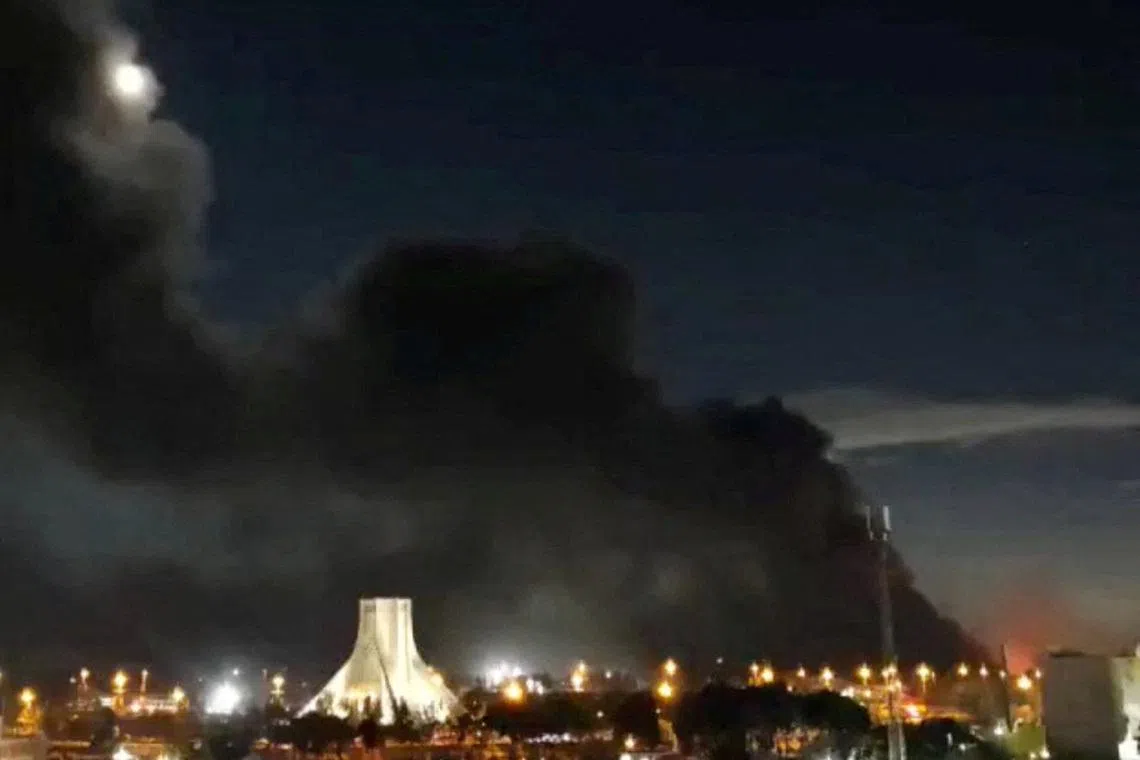
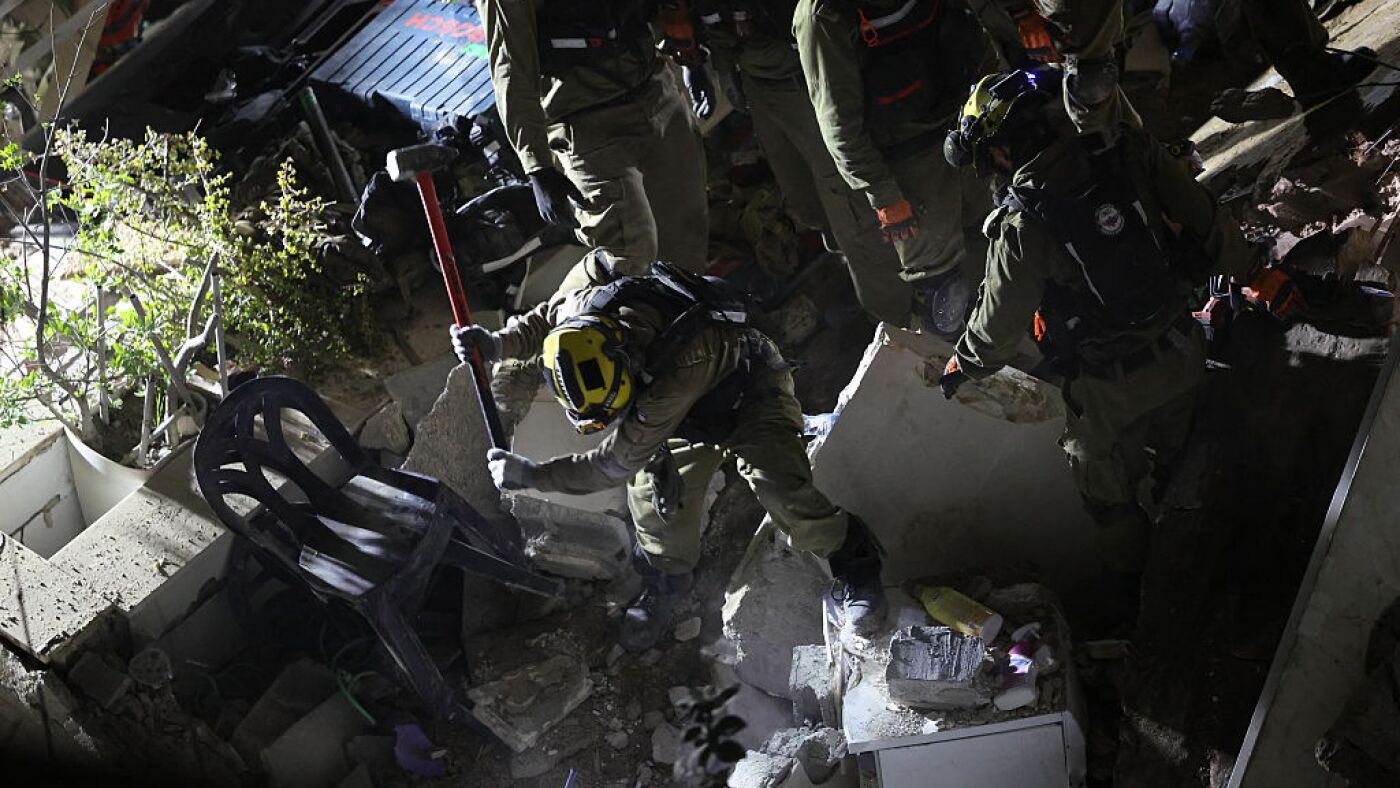
- U.S. and Israeli jets struck Iran's petrochemical industry and steel plants, while Iran retaliated with missiles and drones hitting Tel Aviv and Haifa in Israel, Kuwait Petroleum Corporation facilities in Shuwaikh, and a vital food-import port in the UAE
- Iranian adviser Aliakbar Velayati warned Iran may target the Bab al-Mandeb Strait—through which an estimated 10% of global trade moves—saying the regime 'views Bab al-Mandab with the same intensity as Hormuz' and could disrupt energy flows 'with a single signal'
- Iran's internet has been shut down for 38 straight days since the war began Feb. 28, the longest national internet outage on record per NetBlocks, cutting most Iranians off from airstrike warnings, the global economy, and family abroad
Why it matters: Iran's insistence on a permanent deal with sanctions relief—not a temporary pause—creates a hard deadlock with Trump's explicit Tuesday deadline to bomb civilian infrastructure that legal experts call potential war crimes. The conflict's geographic footprint is expanding: Iran struck oil and port facilities in Kuwait, Israel, and the UAE within 24 hours while Israel assassinated an IRGC intelligence chief, raising the risk of a multi-front regional war.
Ask SkimNews