Iran Defies Trump's Midnight Ultimatum — SkimNews
SkimNews Take
Iran's refusal to reopen the Strait of Hormuz converts a geographic chokepoint into a standing bargaining chip, meaning any ceasefire's terms become separable from the energy leverage Tehran actually wields — and youth mobilization signals preparation for a prolonged stalemate rather than a negotiated settlement.
Get the Geopolitics newsletter
Daily geopolitics — wars, elections, sanctions, the diplomatic moves that move markets. Free.
- Iran rejected a U.S.-brokered ceasefire proposal mediated by Pakistan, refusing to reopen the Strait of Hormuz and instead presenting a 10-point counterproposal including sanctions relief and regional conflict resolution.
- Trump threatened to destroy all Iranian power plants and bridges by midnight EDT on Wednesday if Iran did not comply, stating the country 'can be taken out in one night' and dismissing concerns over potential war crimes.
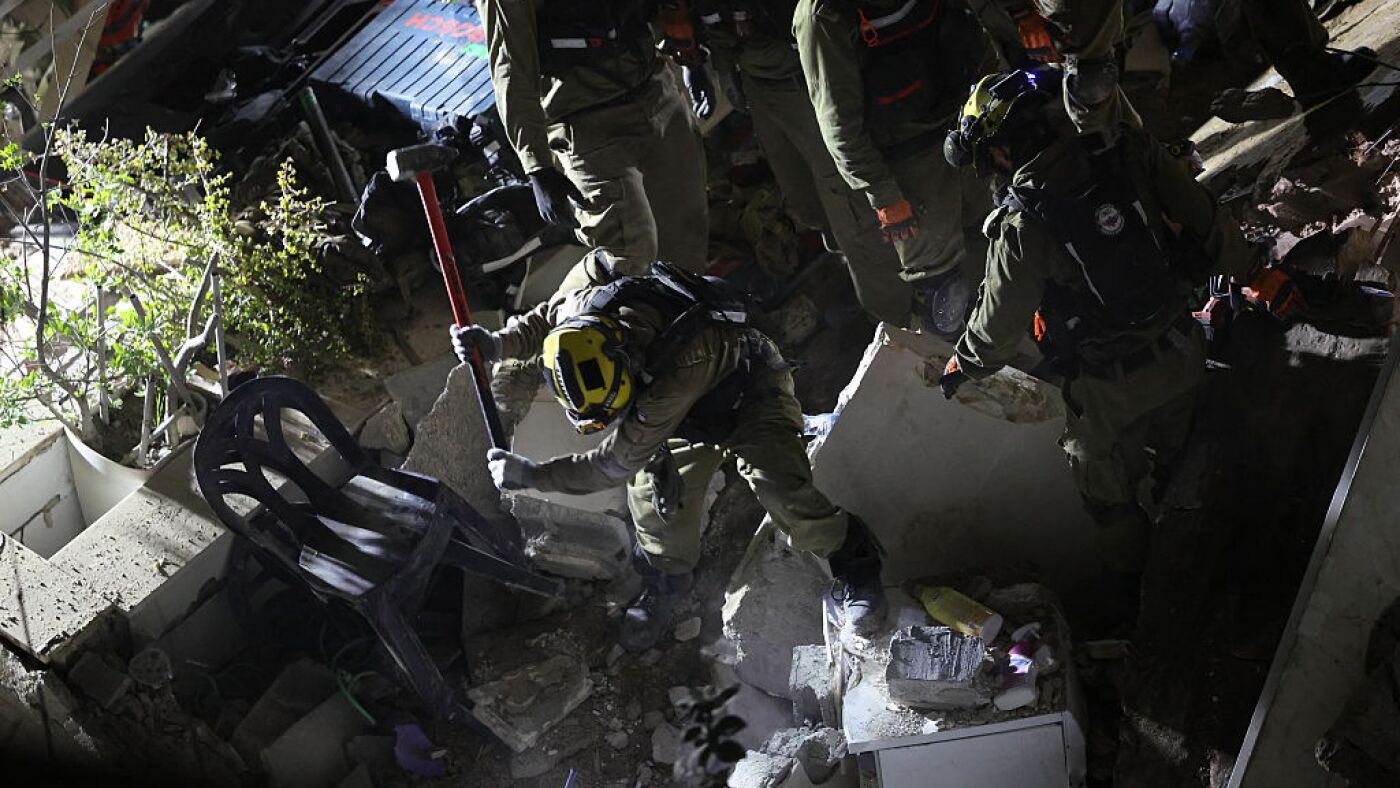
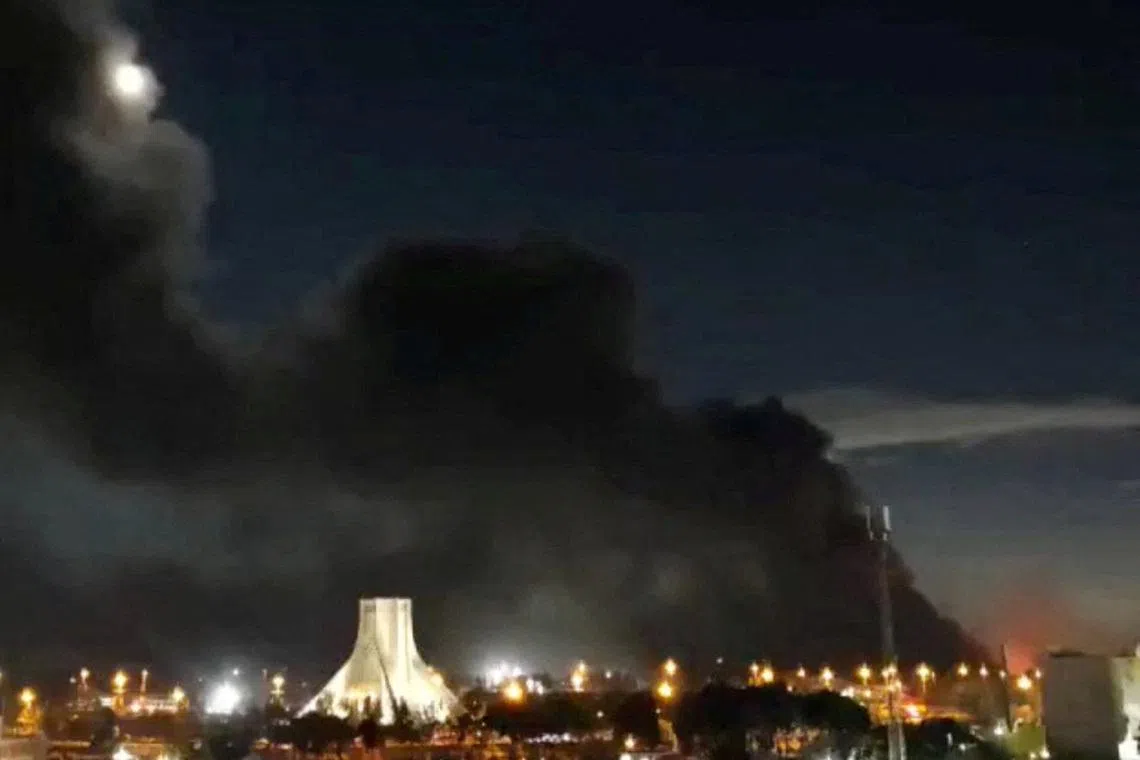
- Israel conducted airstrikes on Iranian government infrastructure in Tehran and activated air defenses against incoming missiles, while issuing public warnings to Iranians to avoid railway areas.
- Saudi Arabia intercepted ballistic missiles targeting its eastern region, with debris falling near energy facilities, as Bahrain, the UAE, and Saudi Arabia issued safety alerts and briefly closed the King Fahd Causeway.
- Iran's deputy sports minister, Alireza Rahimi, called on artists and athletes to form human chains at power plants, declaring that attacking civilian infrastructure constitutes a war crime.
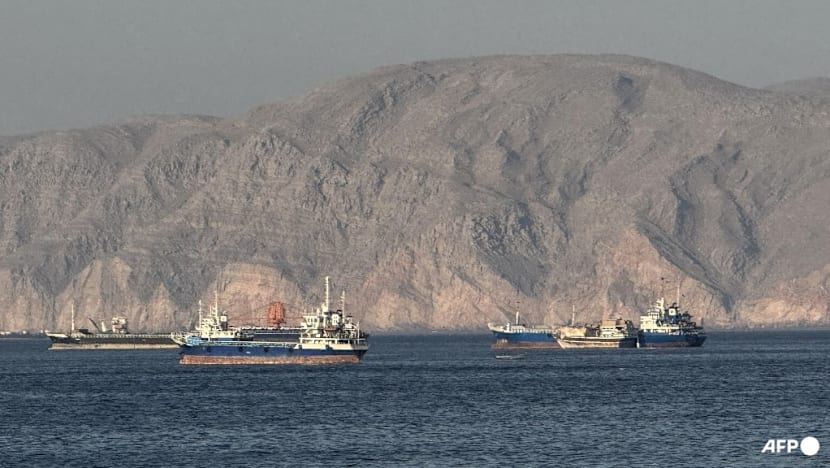
- Oil prices rose to around $110 per barrel, with Brent crude at $111.53 and U.S. WTI at $113.31, amid ongoing closure of the Strait of Hormuz, a critical global oil transit route.
Why it matters: Trump’s threat to obliterate Iranian infrastructure by a hard deadline raises the risk of catastrophic escalation, with 13 U.S. service members already dead and one airman recently rescued from Iranian territory. The closure of Hormuz and sustained attacks disrupt global energy flows, pushing oil prices over 50% higher since the war began.
Ask SkimNews