Dinosaur red blood cells recovered from 115-million-year-old fossil — SkimNews

Get the Health newsletter
Daily health & science — research, biotech, public health, the studies worth knowing. Free.
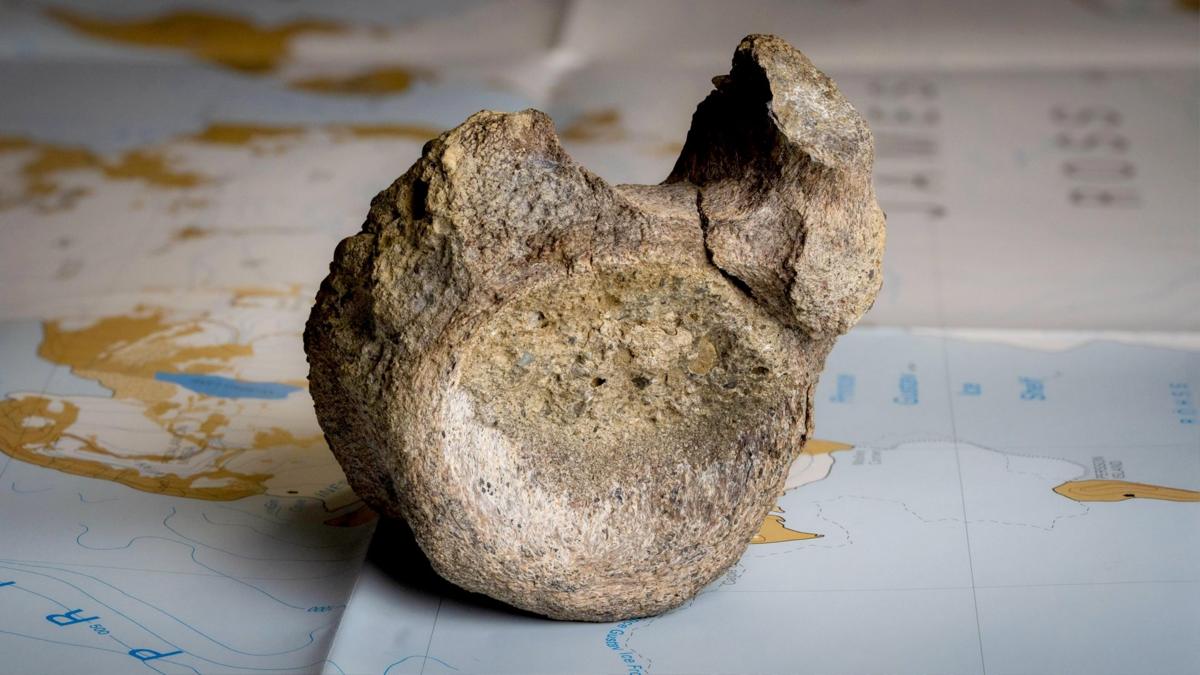
- Aratasaurus museunacionali yielded what the team calls the oldest-ever dinosaur red blood cells, from a 115-million-year-old hind-limb bone fragment found in Brazil in 2008; the juvenile was estimated at just over 3 metres and 34 kilograms.
- Dinosaur blood cells were previously reported from 75-million-year-old bone fragments collected in Canada in 2015 and a 68-million-year-old Tyrannosaurus rex femur found in Montana in 2005, both younger than the Aratasaurus specimen.
- Kliti Grice at Curtin University in Perth and her colleagues used hydrochloric acid to dissolve the surrounding rock, exposing what Grice said were dinosaur red blood cells at unprecedented resolution.
- Twenty blood cells appeared on a single slide just one-fifth of a millimetre wide, and every one was enclosed within a fossilised blood vessel.
- Haem B, the oxygen-binding constituent of haemoglobin, was detected by liquid chromatography–mass spectrometry, adding molecular evidence for the cells’ identity.
- Cells outside the bone were dominated by chlorophyll-derived compounds, while those inside contained haem-derived molecules, strongly arguing against contamination from the algae-rich sediment.
- Aratasaurus red blood cells were significantly larger than those of birds and crocodiles, its closest living relatives; the researchers offered fossilisation swelling or a much larger adult size as explanations.
Why it matters: For museums holding drawers of ordinary-looking fossils, the finding supplies a concrete laboratory route: acid etching plus molecular analysis recovered 20 cells on a 0.2-millimetre slide and identified haem B. The practical consequence is that unremarkable leg-bone fragments become credible research material for examining dinosaur blood and physiology.
Ask SkimNews