Trump Budget Seeks $1.5T Defense, 10% Domestic Cuts — SkimNews
Get the Geopolitics newsletter
Daily geopolitics — wars, elections, sanctions, the diplomatic moves that move markets. Free.
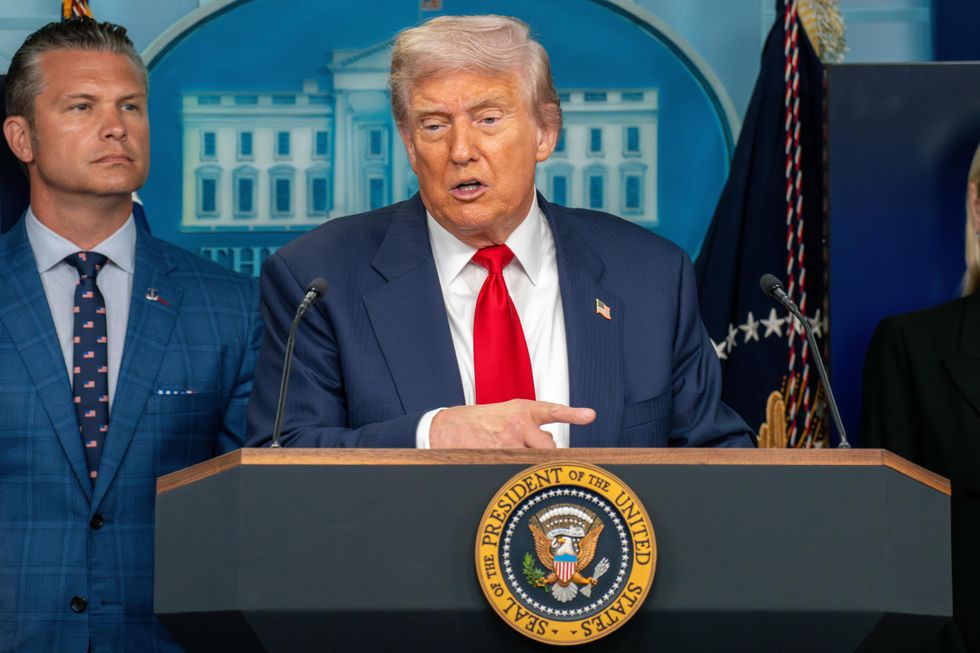
- Trump's 2027 budget requests $1.5 trillion in defense spending, a 44% Pentagon increase described as the largest such request in decades, while cutting non-defense programs by 10%.
- The proposal includes a 13% DOJ increase, $10 billion for National Park Service 'construction and beautification' in D.C., $481 million for air traffic controller hiring, and ICE detention capacity of 100,000 adult and 30,000 family beds.
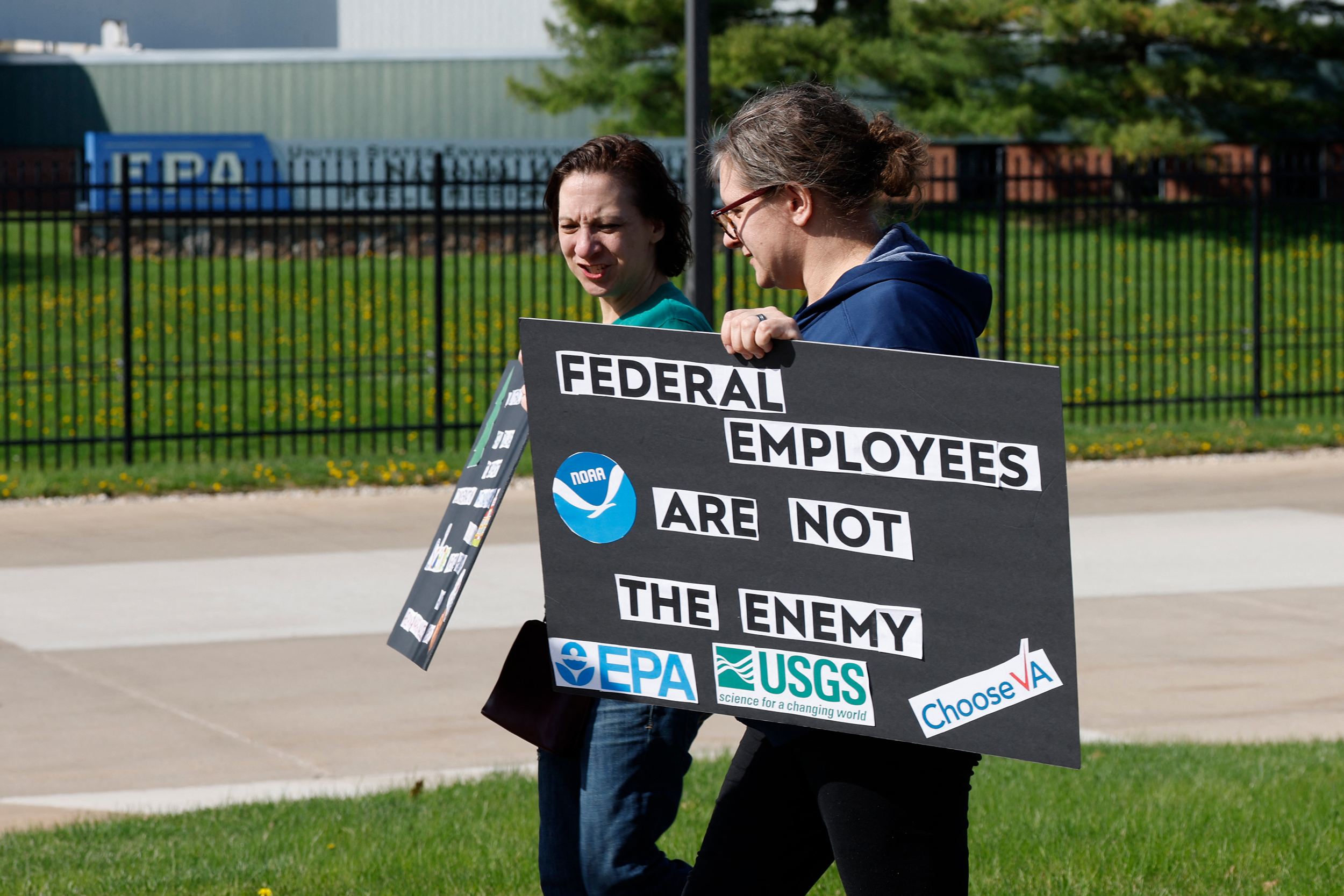
- Cuts target $15 billion-plus from Biden-era infrastructure law funds, a 19% USDA reduction, 13% from HUD, roughly 12% from HHS, and $106 million from the Agency for Healthcare Research and Quality, which the budget says 'pushed radical gender ideology onto children.'
- The defense request splits $1.1 trillion through the regular bipartisan appropriations process and $350 billion through budget reconciliation, which Republicans can pass on their own via party-line votes.
- The budget is not law and functions as a 'road map' — last year Congress kept non-defense spending relatively flat despite Trump's requested 20% cut, suggesting similar resistance ahead.
- Reactions split sharply: GOP Armed Services chairs Sen. Wicker and Rep. Rogers backed the request, citing 'the most dangerous global environment since WWII,' while Rep. Brendan Boyle (D) called it 'America Last' and Sen. Patty Murray (D) labeled it 'morally bankrupt.'
- The word 'woke' appears 34 times in the document, with the White House framing cuts as targeting programs 'hijacked by radicals' to promote equity and green energy initiatives.
Why it matters: With national debt past $39 trillion, nearly $2 trillion annual deficits, and a 49-day partial government shutdown already underway, the budget is more a political declaration than a spending plan — the administration is counting on $350 billion in reconciliation to bypass Democrats, but last year's flat non-defense outcome shows Congress can simply ignore the wish list.
Ask SkimNews