Trump FY2027 Budget Halves EPA, Cuts NOAA and FEMA — SkimNews
Get the Energy newsletter
Daily energy & climate — solar, EVs, oil, the policy fights and tech bets shaping the transition. Free.
- Trump's FY2027 budget proposes cutting EPA spending in half and slashing $1 billion in EPA grants, paired with a historic $1.5 trillion defense budget that represents a 44% increase.
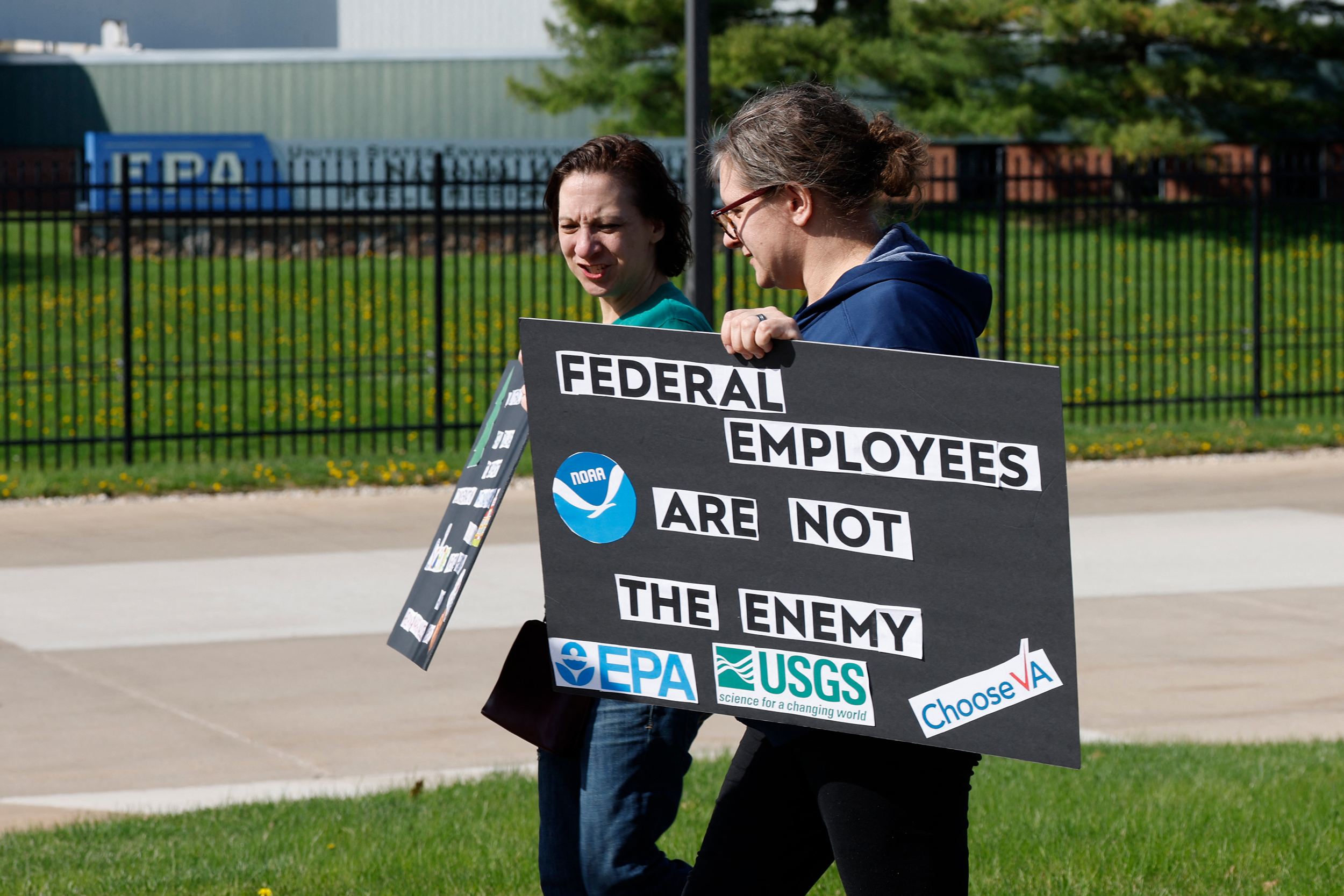
- EPA lost more than 4,000 employees in Trump's first year, reducing its workforce to 12,849 — the lowest level since the 1980s, with the 24% reduction more than double the rate of losses across the entire federal government.
- The budget would cut $449 million from renewable energy funding and re-propose canceling $15 billion in renewable energy infrastructure under the 2021 Bipartisan Infrastructure Law, which Trump labels a "Green New Scam."
- Additional cuts include $1.6 billion from NOAA (which the budget accuses of "radicalizing students against markets"), $1.3 billion from FEMA grants, $1 billion from NIST, and elimination of the $4 billion Low Income Home Energy Assistance Program — totaling roughly $100 billion in non-defense discretionary cuts.
- Congress rejected a similar budget request from Trump last year, according to the article, signaling the proposal faces an uphill path despite the administration's persistence.
- Opposition spans the spectrum: the Cato Institute (a libertarian group) said the budget "falls short on the spending programs driving the federal debt," while the American Public Health Association called it "dead on arrival" and the Sierra Club said it "fails to adequately fund" clean air and drinking water protections.
Why it matters: If enacted, EPA staffing would fall further from already-historic lows while NOAA weather forecasting and FEMA disaster response face billion-dollar cuts — and the $4 billion low-income energy assistance elimination would hit vulnerable households as gasoline prices have already surged 35% in just over a month amid the Iran conflict. Even critics across the ideological spectrum, from the Cato Institute to the Sierra Club, agree the proposal fails to address the deficit or public health.
Ask SkimNews