What federal cuts to science funding could mean for the Great Lakes — SkimNews
Get the Energy newsletter
Daily energy & climate — solar, EVs, oil, the policy fights and tech bets shaping the transition. Free.
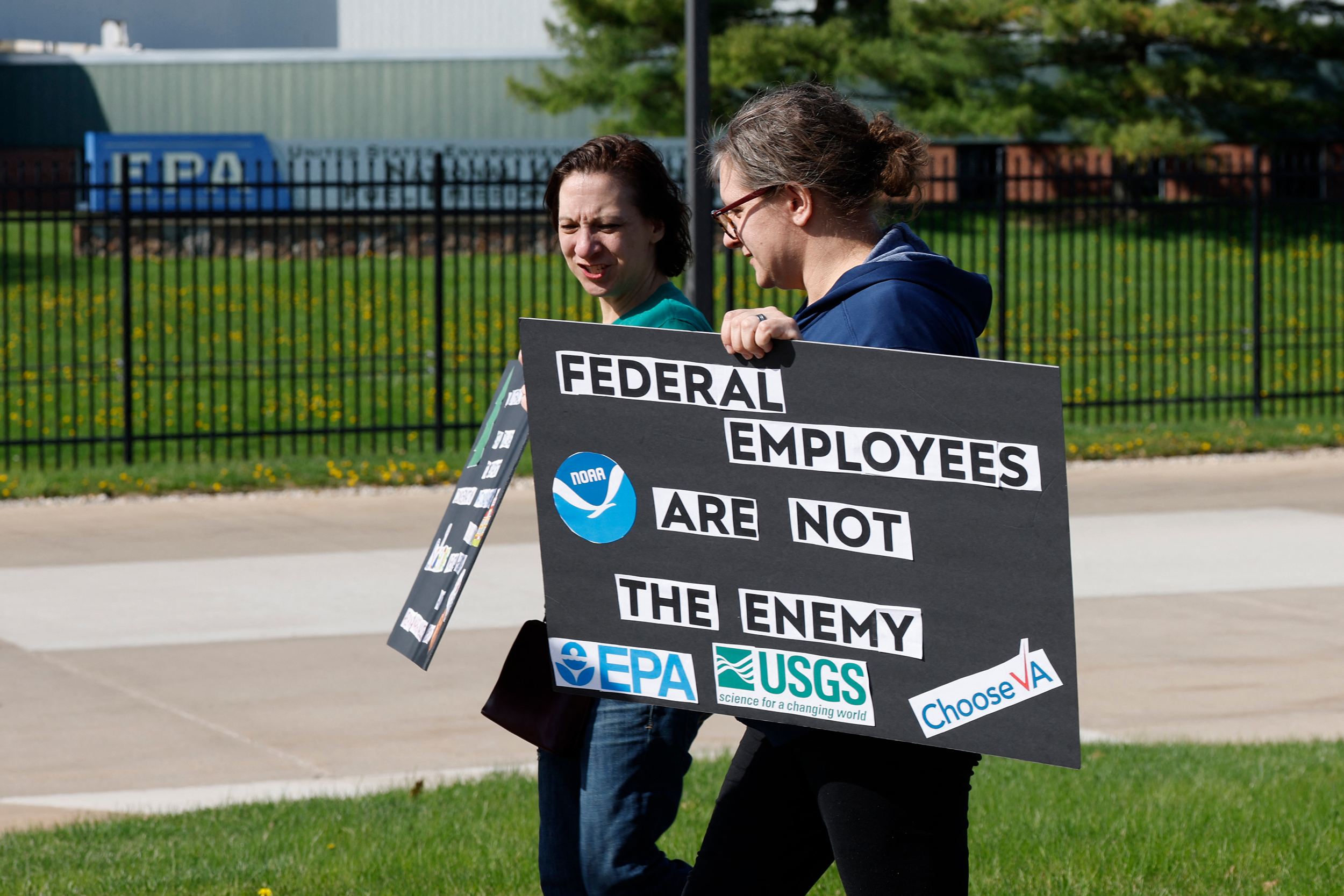
- Trump proposed a NOAA budget that would cut $1.3 billion—about one‑third of its current funding—and zero out key Great Lakes programs.
- CIGLR director Gregory Dick warned that the cuts jeopardize data on water levels, ice dynamics, and harmful algal blooms that underpin water safety, public health, and the regional economy.
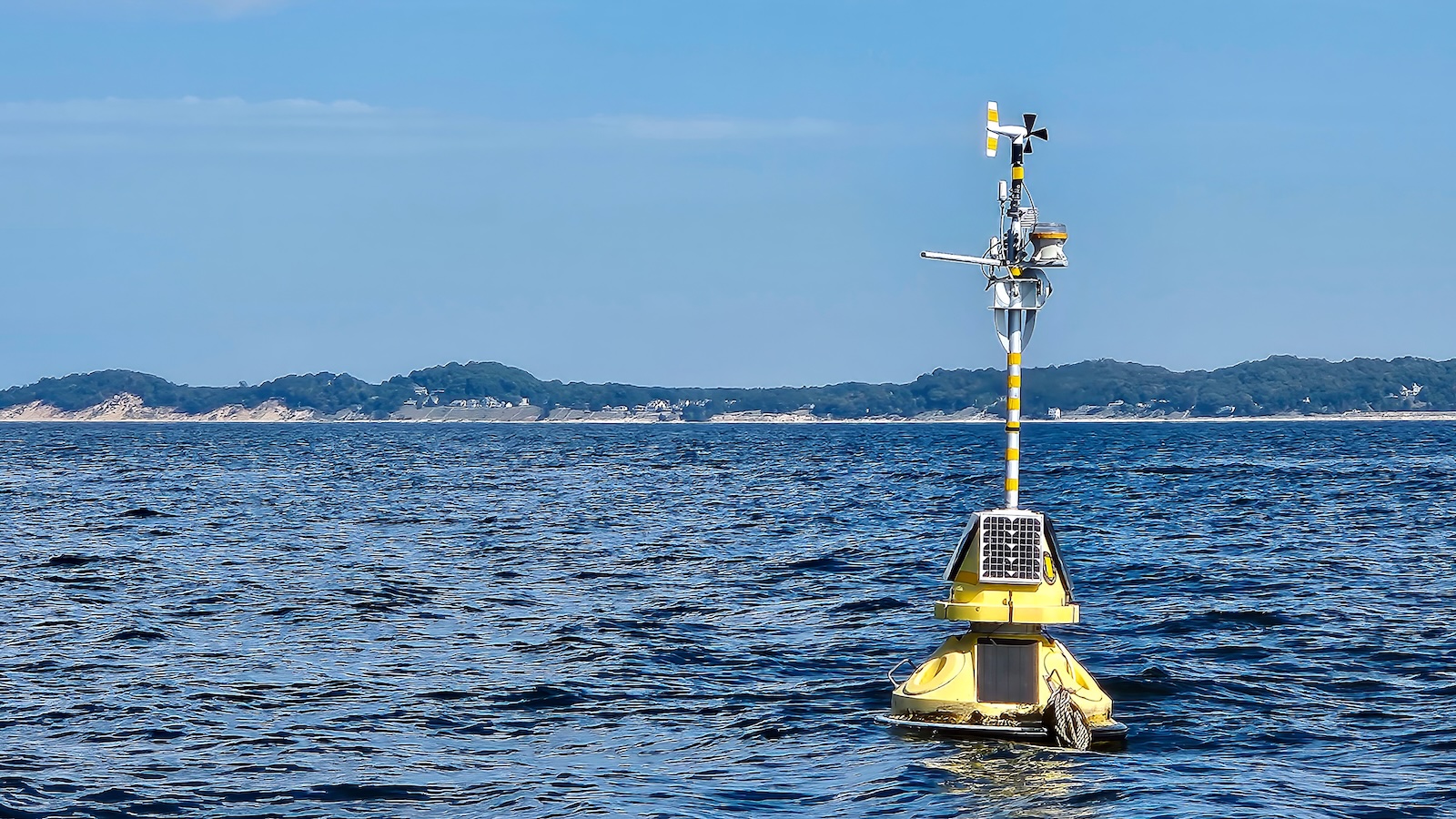
- GLOS CEO Jennifer Boehme said the network’s real‑time wave, temperature, and ice data—vital for beachgoers, boaters, and fishers—could be lost without funding.
- White House memo framed the cuts as a move to eliminate the “globalist climate agenda” and save taxpayer money by halting climate research.
- Great Lakes Environmental Research Lab lost roughly 40 % of its staff last year after layoffs and early retirements, already weakening its capacity.
- House Appropriations Committee passed a bill that would fund most NOAA programs $1.3 billion more than the president’s proposal and raise GLOS funding by 18 %, though it remains $300 million short of last year’s level.
- Senate has not yet passed its version of the appropriations bill, leaving the final funding outcome uncertain.
Why it matters: The $1.3 billion cut would strip away data that underpins water safety, public health, and the regional economy, leaving fishers, boaters, and state managers without timely alerts on blooms or hazardous conditions; Congress’s bill patches the gap but still leaves the programs $300 million below last year’s funding, limiting their capacity.
Ask SkimNews