Trump: Iran Deal in 'Day or Two'; Officials Say Not Yet — SkimNews

SkimNews Take
Trump's public optimism for a rapid Iran deal, despite ongoing negotiations and Iranian skepticism, indicates a strategy to leverage perceived momentum for a swift resolution.
Get the Geopolitics newsletter
Daily geopolitics — wars, elections, sanctions, the diplomatic moves that move markets. Free.
- Trump told Axios he expects U.S. and Iranian negotiators to meet this weekend and reach a deal "in the next day or two," claiming "the Iranians want to meet. They want to make a deal" and that he has personally spoken with them in recent days
- Multiple U.S. officials briefed on the negotiations said significant progress has been made on a three-page peace plan but gaps still remain on critical issues — a notably more cautious read than Trump's timeline
- The deal under discussion would have the U.S. release $20 billion in frozen Iranian funds in exchange for Iran surrendering its stockpile of enriched uranium, with a moratorium on Iranian enrichment also on the table
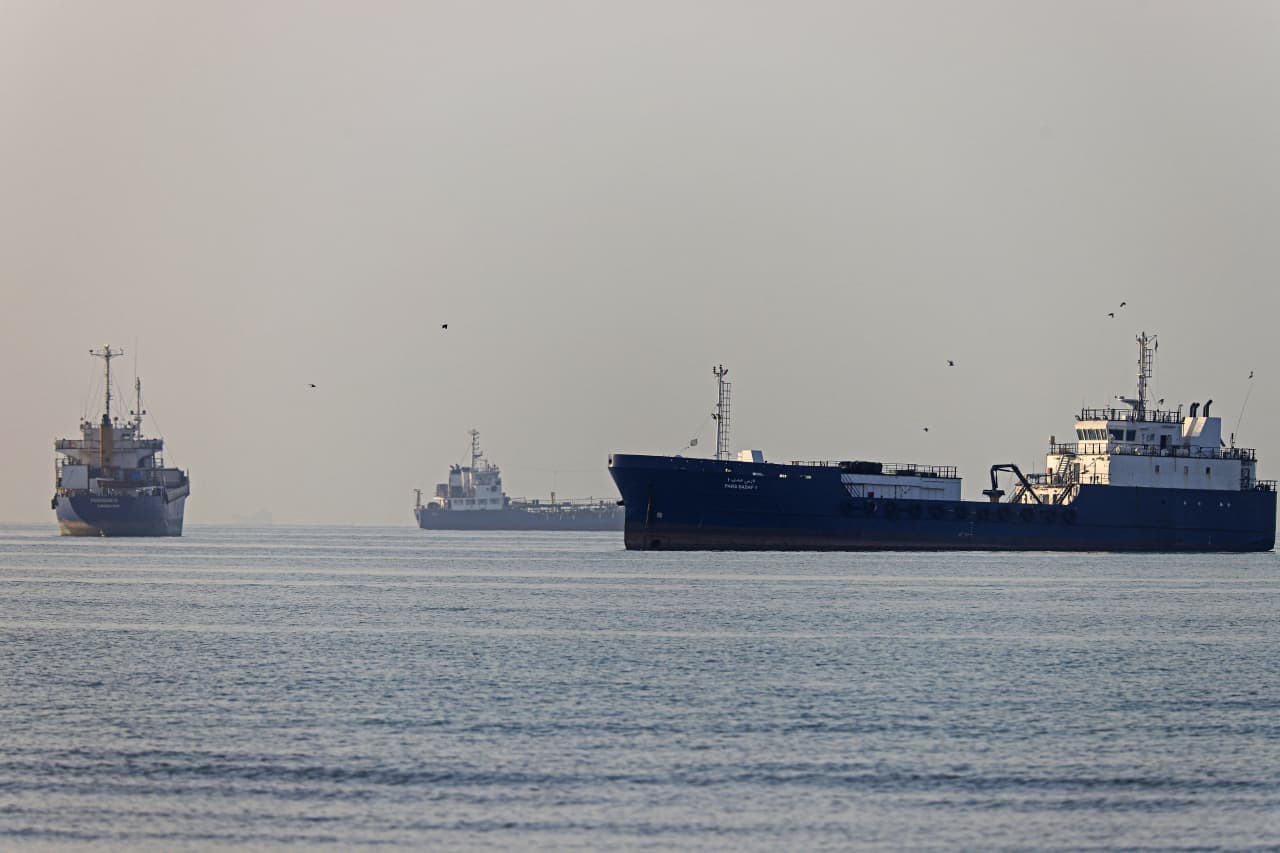
- Trump ruled out lifting the naval blockade before a deal and demanded the Strait of Hormuz stay open for everyone; Iran announced Friday it would open the strait for the remainder of the ceasefire, which ends April 21, though the mechanics remain unclear
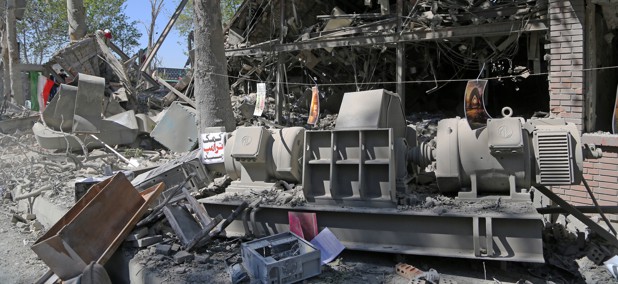
- Trump insisted Israeli strikes on Lebanon end as part of the ceasefire, saying "Israel has to stop. They can't continue to blow buildings up. I am not gonna allow it" — even as an Israeli drone struck southern Lebanon Friday evening shortly before the interview
- Some in the Israeli government oppose a deal and want to continue the wars in Iran and Lebanon, though the article notes that is unlikely as long as Trump opposes it
Why it matters: The $20 billion in frozen Iranian funds and the enriched-uranium handover are concrete, high-stakes terms; Trump's refusal to lift the naval blockade and his public pressure on Israel to halt Lebanon strikes show he is personally driving the timeline, while the officials' caution signals the 'day or two' framing may be premature. The April 21 ceasefire deadline is the hard constraint — if the gap on critical issues isn't closed, the window for a deal closes with it.
Ask SkimNews