Iran's War Unity Masks Fierce Split Over US Talks — SkimNews
Get the Geopolitics newsletter
Daily geopolitics — wars, elections, sanctions, the diplomatic moves that move markets. Free.
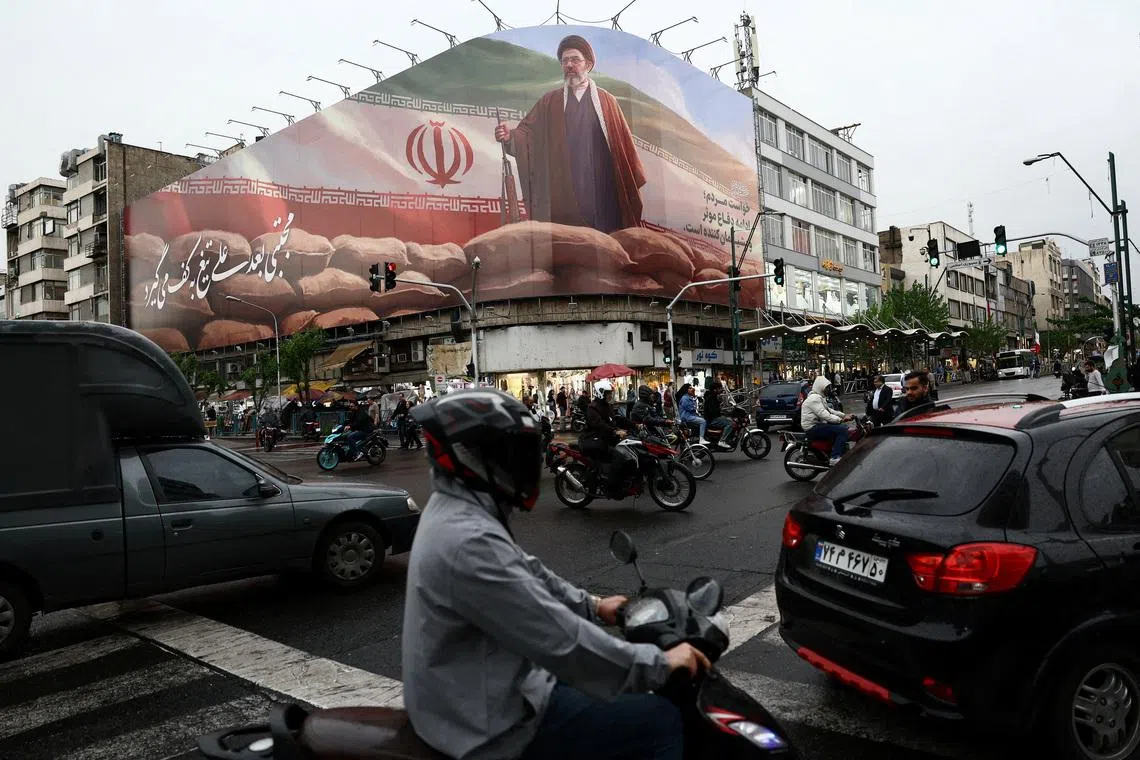
- Iran's leadership is publicly united on war footing but divided between Paydari ultra-hardliners led by Saeed Jalili, who push for total victory, and pragmatists around President Masoud Pezeshkian and parliament speaker Mohammad Bagher Ghalibaf who see military pressure as a path to a negotiated deal.
- The April ceasefire deal won 12 of 13 votes on Iran's Supreme National Security Council—Jalili was the lone dissenter—but it collapsed after Iran pushed for control of the Strait of Hormuz, which before the war carried a fifth of the world's traded oil and gas, and frozen assets were not released.
- New supreme leader Ayatollah Mojtaba Khamenei, reportedly injured in the February 28 strike that killed his father Ali Khamenei, remains in hiding, with both rival camps claiming his backing.
- At the slain supreme leader's funeral, crowds called for revenge against the US and Israel; President Pezeshkian faced insults and cries of "Death to the compromiser!" while state TV IRIB cut short a June 30 broadcast with Ghalibaf as he discussed Washington talks.
- Hardliners shut cafes in central Tehran that had stayed open during the ceasefire, where women flouted mandatory veiling rules; reformist cleric Mohamad Ali Abtahi called it a sign "religious extremist parties" were asserting their presence.
- More than 250 former lawmakers, clerics, and professors signed an anti-war petition in July as Iran's currency weakened, inflation rose, and unemployment increased, with the president's son Youssef Pezeshkian warning Iran has "been prevented from growing and has suffered greatly."
Why it matters: The April ceasefire that nearly unified Iran's leadership has collapsed, and with both factions now claiming the wounded new supreme leader Mojtaba Khamenei, the ensuing power struggle will determine whether Iran returns to the negotiating table or doubles down on confrontation—with direct consequences for sanctions relief and an economy already battered by a weakening currency, rising inflation, and growing unemployment.
Ask SkimNews