Starmer leads 35-nation push to reopen Strait of Hormuz — SkimNews
Get the Geopolitics newsletter
Daily geopolitics — wars, elections, sanctions, the diplomatic moves that move markets. Free.
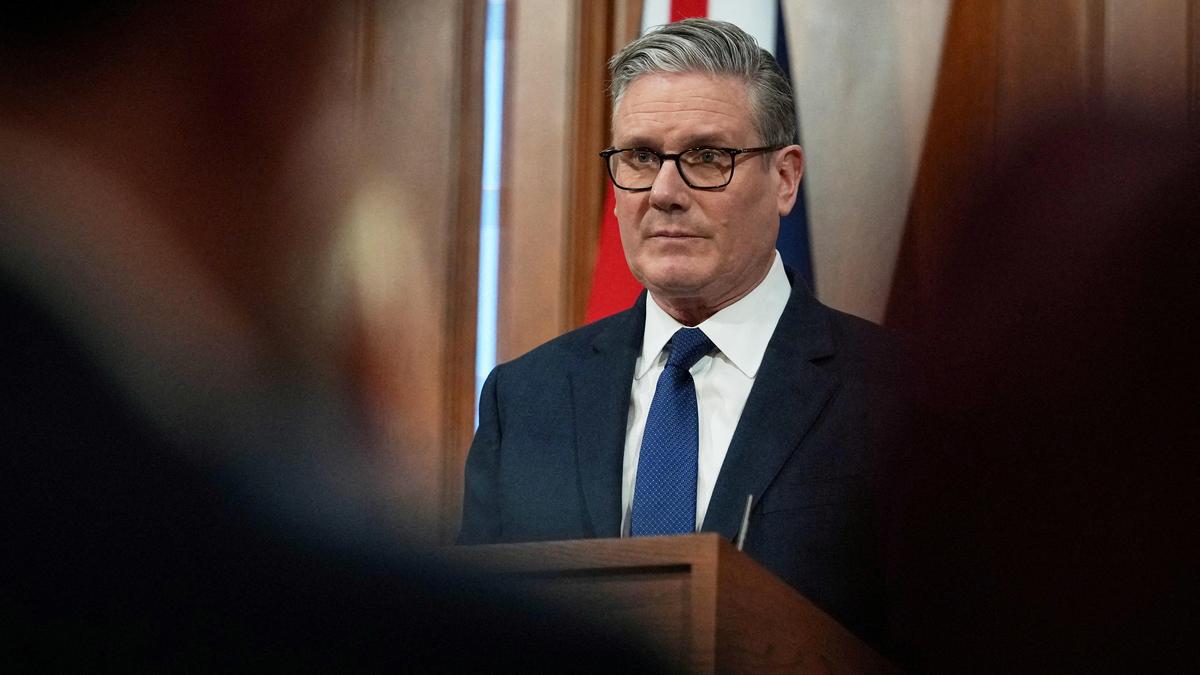
- Keir Starmer said the U.K. is willing to take a "leadership role" in reopening the Strait of Hormuz, convening roughly 35 nations for a virtual Foreign Ministers' meeting on April 2, 2026.
- Starmer explicitly refused to join the U.S.-Israel war on Iran, declaring "This is not our war" and vowing to act in Britain's national interest "whatever the pressure on me and others, whatever the noise."
- The 35-nation group will first assess diplomatic and political methods to restore safe passage and commodity transport through the Strait, then convene military planners once fighting stops; participants include European nations, Japan, Australia, the UAE, and Bahrain.
- Donald Trump on March 31 told the U.K. and France to "go get your own oil" and said the U.S. will likely be done with its strikes in two to three weeks.
- Starmer affirmed the U.K. is "fully committed" to NATO despite Trump's threats to pull the U.S. out of the alliance.
- Starmer called for a closer U.K.-Europe partnership on security, defence, the economy, and energy, arguing it is "increasingly clear" the U.K.'s long-term interest requires stronger ties with European allies and the EU.
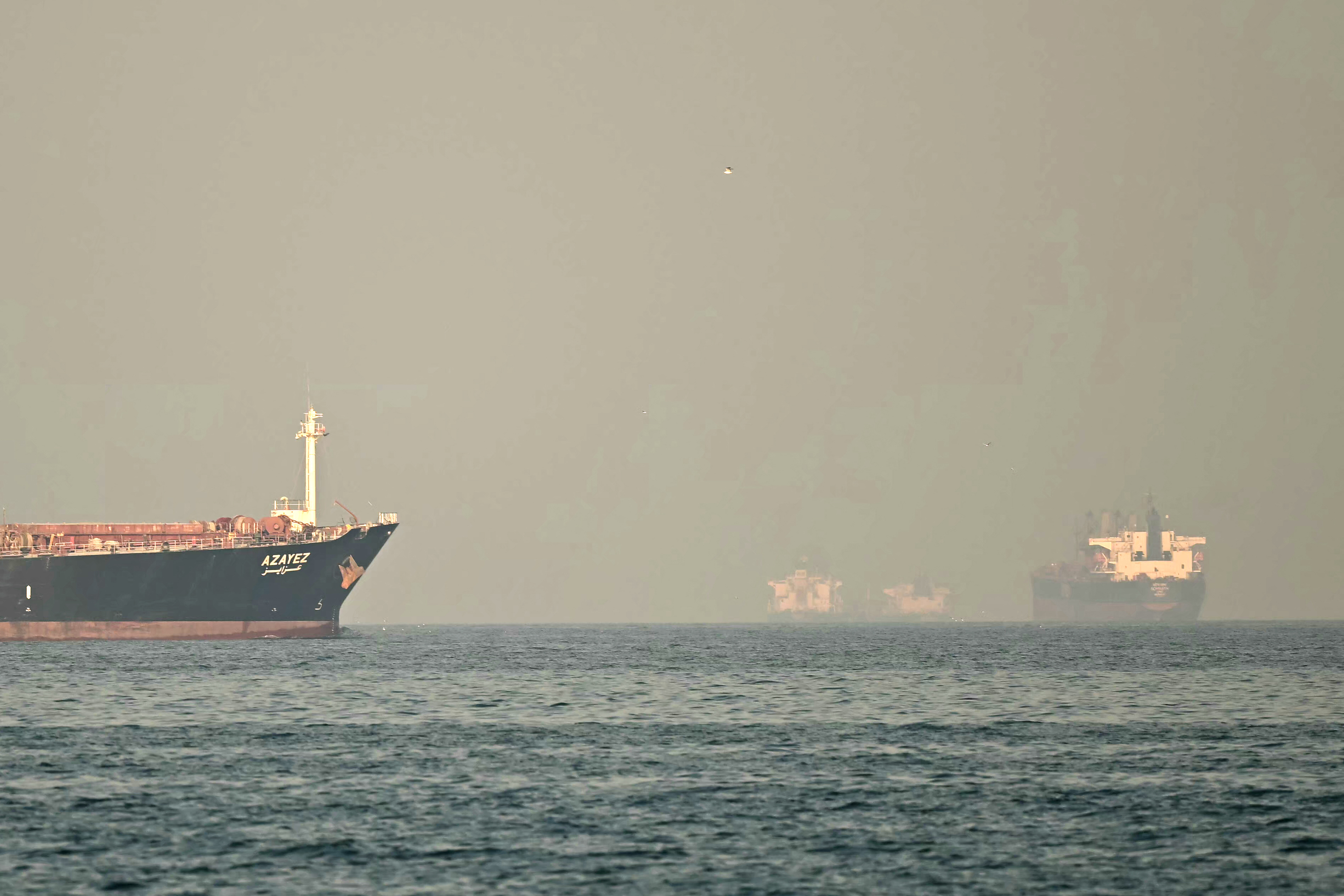
- The Strait of Hormuz, mostly sealed off by Iran, carries about a fifth of the world's oil supply, and Iran has attacked unarmed commercial vessels in the Gulf — the subject of a March 19 joint statement by some of the same nations.
Why it matters: With the Strait carrying roughly a fifth of global oil and mostly shut, Starmer is openly rejecting a U.S.-demanded military coalition while rallying 35 nations around a diplomatic track — a concrete break that prioritizes European alignment on a live conflict. For British consumers, the domestic energy-price stakes are immediate: Starmer tied non-participation directly to policies aimed at taming U.K. energy costs.
Ask SkimNews