Indonesia floats Malacca Strait toll, hits UNCLOS wall — SkimNews

Get the Geopolitics newsletter
Daily geopolitics — wars, elections, sanctions, the diplomatic moves that move markets. Free.
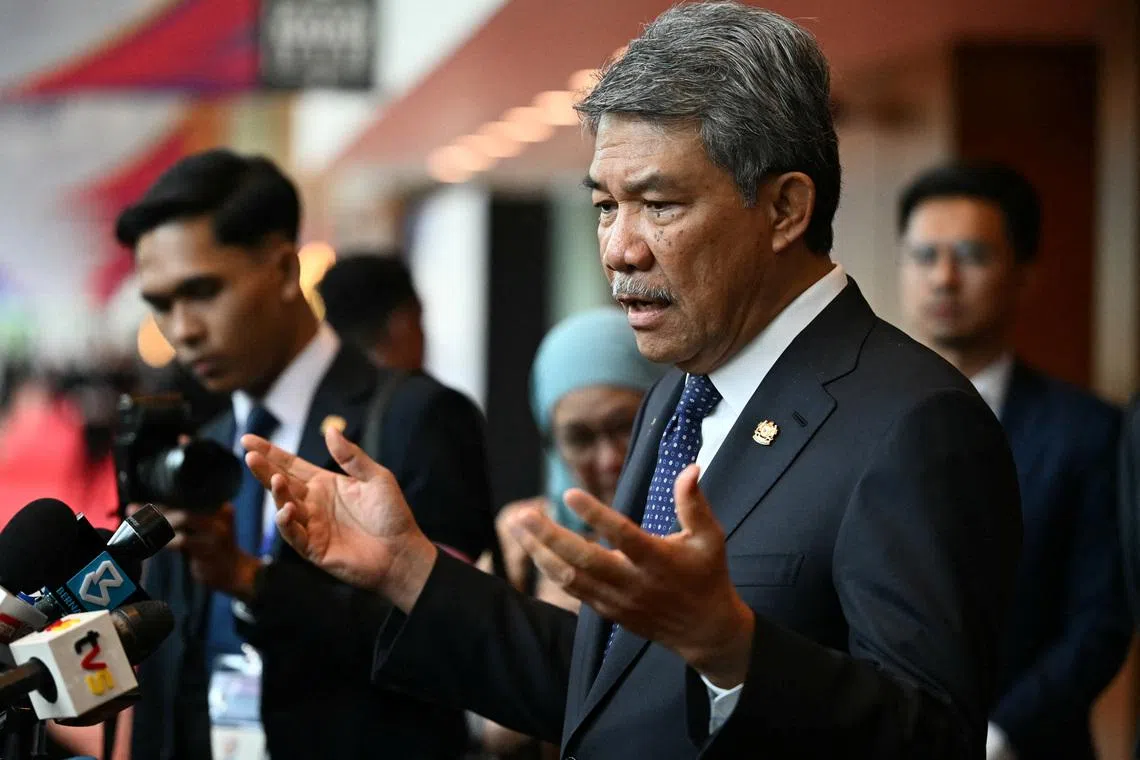
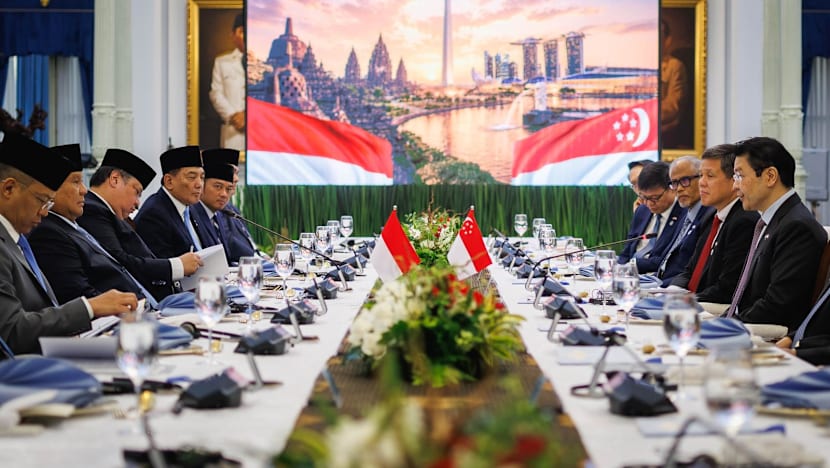
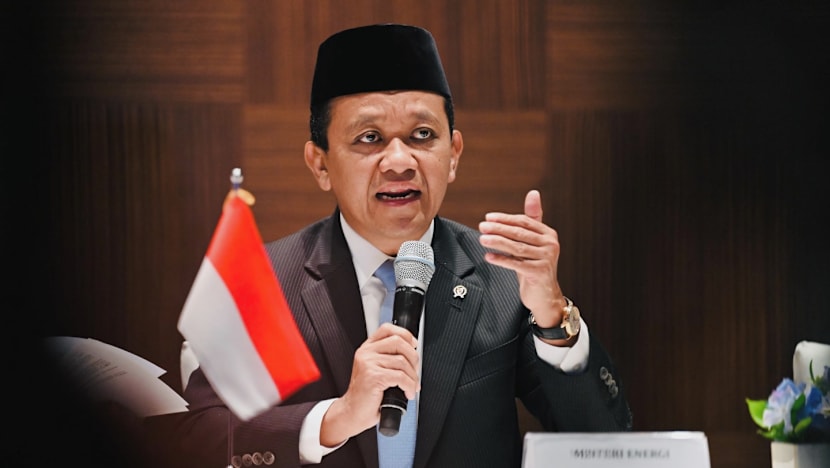
- Indonesia's finance minister floated tolling the Strait of Malacca at an April 22 symposium, prompting swift rejections from the foreign ministers of Singapore, Malaysia, and even Indonesia itself, all citing UNCLOS "freedom of navigation" norms.
- Those UNCLOS norms trace to the era of Dutch fluyts, the source argues, and Article 26 now prohibits coastal states from charging transit tolls — effectively subsidizing global shipping at the expense of states that dredge, monitor, and police chokepoints.
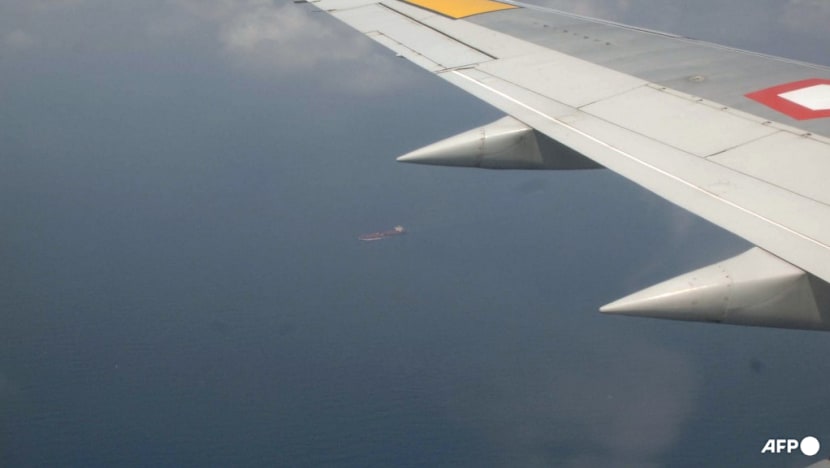
- The scale mismatch is stark: merchant ships in the Age of Sail topped out at ~1,500 deadweight tons, while post-Panamax container ships hit ~240,000 DWT and Malaccamax VLCCs reach 300,000 DWT, with 20-meter drafts that demand constant channel maintenance.
- The proposal comes amid a Strait of Hormuz crisis in which the US maintains a blockade and Iran is proposing its own toll system, conditions the source says are pushing other coastal states to question the existing maritime order.
- China's "Malacca Dilemma" — its dependence on the strait for energy imports and European-bound exports — has long fed fears that the US could weaponize naval supremacy to strangle China's industrial economy.
- The author's prescription: legalize transit tolls to convert the region's vulnerability into a commercial transaction, reinvest revenue in channel maintenance and shipbuilding, and undercut the 46-year rationale for the US Navy's forward-deployed posture in the Indo-Pacific.
- Logan McMillen, writing in a foreign policy analysis, frames the toll not as a tariff but as a cost-recovery mechanism that would end what he calls a "massive free-rider subsidy" to the shipping industry.
Why it matters: The proposal, though rejected, exposes a real funding gap: Malaccan states spend heavily on dredging and policing the strait while UNCLOS Article 26 bars them from recovering costs from the 300,000-DWT supertankers that depend on it. Reforming the rule would let Indonesia, Malaysia, and Singapore capture shipping revenue that currently flows to the industry as a free-rider subsidy.
Ask SkimNews