NZ Election Race Tightens; Investors Brace for Reversals — SkimNews
Get the Geopolitics newsletter
Daily geopolitics — wars, elections, sanctions, the diplomatic moves that move markets. Free.
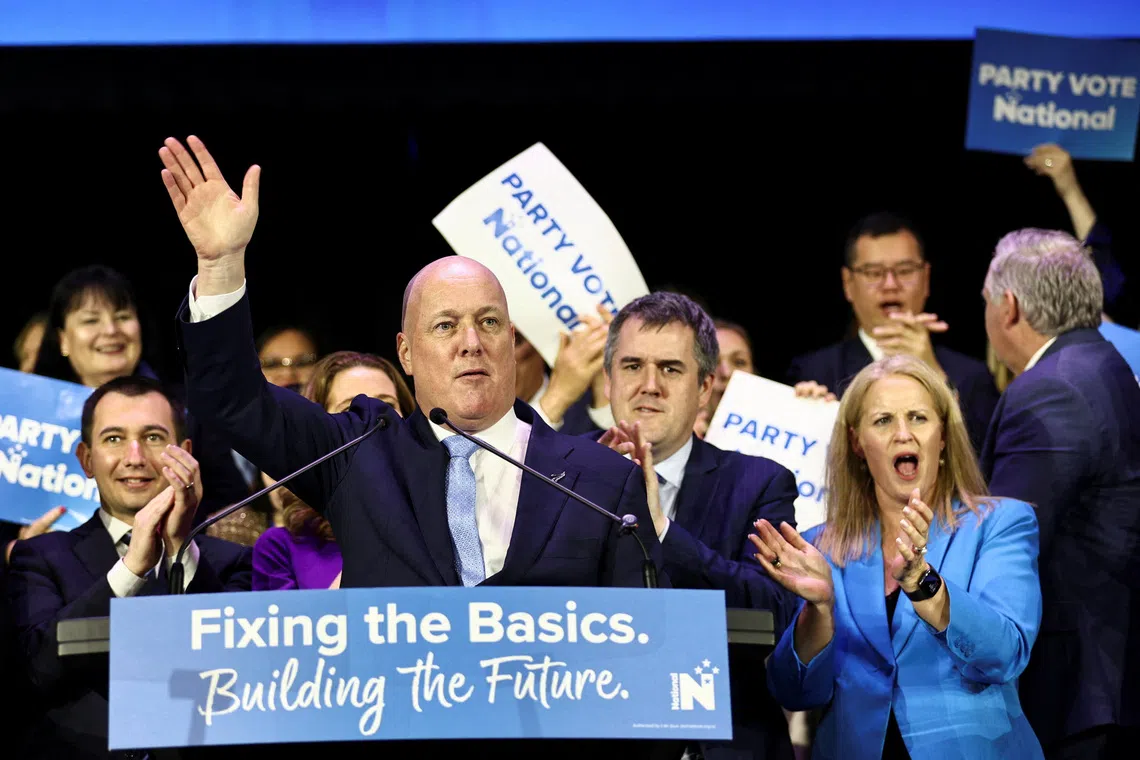
- New Zealand's general election on November 7 could produce the first government ousted after a single three-year term since 1975, with polls suggesting PM Christopher Luxon's coalition could lose power.
- Since taking office in late 2023, Luxon's National-led government revived mining, reinstated offshore oil and gas exploration, and returned the RBNZ to a single inflation-focused mandate — Labour has signalled it would reverse the central bank change by restoring the dual mandate.
- Labour leader Chris Hipkins called the dual mandate 'not radical' and 'mainstream internationally,' citing Australia and the United States as examples, while Luxon's government has blamed the dual mandate for letting inflation run too high.
- The Reserve Bank of New Zealand faces market bets for a third rate hike to 3.0% next month; the OECD cautioned against frequent changes to the bank's mandate, and Westpac analysts said a restored dual mandate could slow inflation's return to target.
- Smaller parties hold about a third of support per poll averages, giving them outsized leverage — New Zealand First proposed buying NAB-owned BNZ and breaking up supermarket operator Foodstuffs, while the Green Party pledged to revoke some fast-track mining approvals.
- Infrastructure New Zealand estimated that pausing, delaying or cancelling projects has cost NZ$11.8 billion ($6.7 billion) over the past 25 years, pointing to cancellations like Auckland Light Rail and Wellington's roading programme under the current government.
Why it matters: A Labour victory would re-add employment to the RBNZ's mandate at exactly the moment markets are betting on a third rate hike to 3.0% next month to control inflation. With smaller parties commanding roughly a third of support and floating interventions like buying back BNZ, investors in a capital-hungry economy emerging from a slowdown face renewed 'stop-start' policymaking that Infrastructure New Zealand says has already cost NZ$11.8 billion over 25 years.
Ask SkimNews